

109
Love
♾️
Infinity Symbol
Ancient India / 17th-Century Europe
The infinity symbol — a horizontal figure eight — represents endless possibility, eternal love, and the boundless nature of the universe.
4.6Learn more →

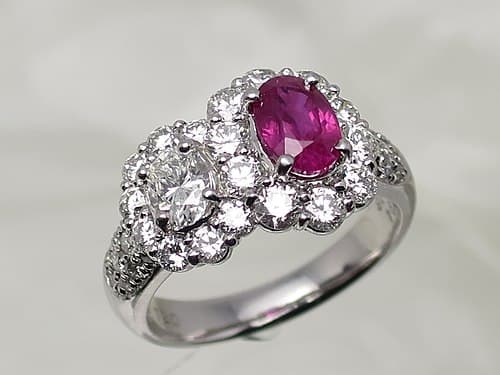
The circle is the most universal geometric symbol in human culture, representing wholeness, eternity, protection, and the unbroken cycle of all existence.
No other geometric form has been assigned as much spiritual and symbolic power across as many cultures as the circle. It is the shape of the sun and moon, the horizon seen from the center of a flat plain, the ripple a stone makes in still water. Ancient peoples, observing that the most perfect and eternal things in nature were circular, concluded that the circle itself was a sacred form — one that mirrored divinity in its lack of beginning or end.
In magical traditions worldwide, casting a circle is the foundational act of ritual protection — the magician, shaman, or priest draws a circle on the ground and stands within it, creating a consecrated space outside ordinary time and shielded from interference. The wedding ring is a circle that symbolizes unending love and commitment. The sacred wheel of Buddhist tradition, the Celtic sun wheel, the Native American medicine wheel, and the mandala of Hindu and Tibetan traditions all use the circle as their organizing principle.
A circle or ring charm carries the power of wholeness and completion. It is used to seal intentions, mark beginnings and endings, invoke protection, and remember that all things — all struggles, seasons, and stories — move in cycles and return to their source.
The Circle / Ring traces its origins to Universal / All cultures, where it has been revered for generations as a powerful symbol of good fortune and positive energy. Historical records and oral traditions suggest that early versions of this charm appeared centuries ago, when communities in Universal / All cultures first began attributing supernatural qualities to objects drawn from their natural and spiritual environment.
Over time, the Circle / Ring evolved from a regional folk object into a widely recognized talisman. Traders, travelers, and migrants carried it across borders, introducing it to new cultures that often adopted and adapted it to fit their own belief systems. Today it is found in us, gb, in and beyond, each culture adding its own layer of meaning and ritual to the charm's enduring legacy.
In its homeland of Universal / All cultures, the Circle / Ring occupies a revered place in both daily life and ceremonial practice. It is not merely decorative — it is woven into the fabric of cultural identity, appearing in celebrations, rites of passage, and household traditions that have been passed down through generations.
Beyond Universal / All cultures, the Circle / Ring has gained recognition in us, gb, in and other regions, where it is valued for its symbolic connection to universal good luck. Scholars of material culture and anthropologists note that charms like the Circle / Ring serve a dual psychological function: they provide a tangible focus for hope and intention, and they connect their owners to a living cultural tradition that transcends individual experience.
To get the most from your Circle / Ring, keep it in a place where you will see it daily — on a desk, nightstand, or near your front entrance. Physical proximity reinforces the intention behind the charm and serves as a regular reminder of your goals.
Traditional practice recommends handling the charm with clean hands and respectful intention. Many practitioners in Universal / All cultures advise setting a clear purpose when you first acquire the charm: hold it, state your wish or goal silently or aloud, and then place it in its chosen position. Periodically cleansing the charm — by passing it through incense smoke, placing it under moonlight, or simply wiping it with a clean cloth — is believed to refresh its energy.
If the charm is meant to be worn (as jewelry or a carried token), keep it close to your body throughout the day. If it is a household object, place it in the area of your home most associated with its purpose — for example, near a workspace for success charms, or by the bed for love and health charms.
Wholeness, eternity, divine perfection, protection, completion, and the endless cycle of existence.
Wear a simple ring or circle pendant as a subtle reminder of your own wholeness and completeness. Use a circle to draw boundaries — literally trace a circle around yourself in meditation when you want to feel contained and protected. Gift a circle charm to mark a completed cycle in someone's life, such as a graduation or recovery anniversary.
The ancient Egyptians had no word for 'circle' separate from their word for 'eternity' — for them, the two concepts were identical, and the hieroglyph for eternity (the shen ring) is a circle with a line through the base.
They are often the same — a circle worn as a charm or pendant. A ring worn on the finger carries all the same symbolic power of wholeness and protection with the added intimacy of direct body contact.
The unbroken line of the circle creates a symbolic boundary that negative energies cannot cross. Because the circle has no opening, it is considered a perfect container and shield simultaneously.
Yes — the circle's association with wholeness makes it particularly resonant for health intentions. Some healing practitioners use circular symbols to invoke the concept of the body returning to its natural state of completeness.
The Circle / Ring originates from Universal / All cultures, where it has been used as a general charm for centuries. Its influence has since spread to us, gb, in and many other regions worldwide.
Wear a simple ring or circle pendant as a subtle reminder of your own wholeness and completeness. Use a circle to draw boundaries — literally trace a circle around yourself in meditation when you want to feel contained and protected. Gift a circle charm to mark a completed cycle in someone's life, such as a graduation or recovery anniversary. For best results, set a clear intention when you first acquire the charm and keep it in a prominent, respectful location.
Yes, giving a Circle / Ring as a gift is considered a generous and meaningful gesture in most traditions. In Universal / All cultures, gifted charms are often believed to carry even stronger energy than those purchased for oneself, because they come with the goodwill and intention of the giver.
Many practitioners recommend periodically cleansing your Circle / Ring to refresh its energy. Common methods include passing it through incense smoke, placing it in moonlight overnight, rinsing it under clean water (if the material allows), or simply wiping it down with a clean cloth while setting a fresh intention.
While the Circle / Ring originated in the cultural traditions of Universal / All cultures, it is not exclusive to any single religion. It has been adopted and adapted by people of many faiths and backgrounds, each bringing their own interpretation to its symbolism and use.
Ancient India / 17th-Century Europe
The infinity symbol — a horizontal figure eight — represents endless possibility, eternal love, and the boundless nature of the universe.

Ancient Egypt
The Ouroboros — a serpent or dragon consuming its own tail — is one of the oldest symbols in the world, representing the infinite cycle of creation and destruction, death and rebirth, and the eternal nature of existence.

Ancient Babylon / Medieval Europe
The pentacle — a five-pointed star enclosed in a circle — is one of the most powerful protective symbols in Western magical tradition, used for millennia to ward off harm and invoke elemental balance.

