

4
Wealth
🐱
Maneki-neko (Lucky Cat)
Japan
The beckoning cat is Japan's most iconic good-luck charm, believed to wave fortune, customers, and prosperity into any space it occupies.
4.9Learn more →

East Asia
42 charms from this country
Japan has one of the world's richest cultures of lucky charms, weaving together Shinto beliefs, Buddhist philosophy, and centuries of folk tradition. The beckoning cat (maneki-neko) draws customers and wealth, the Daruma doll watches over wishes until fulfilled, and omamori — small brocade pouches from shrines and temples — are carried for specific purposes: safe travel, academic success, health, or romance. The paper crane carries the ancient promise that folding one thousand grants a single wish.
Koi fish symbolize perseverance, tanuki statues attract business luck, and the teru-teru-bozu charm summons fair weather. Ema votive plaques are hung at shrines with written prayers, sensu fans represent good luck and prosperity, and the torii gate marks the sacred threshold between the ordinary world and the divine.
Japan
The beckoning cat is Japan's most iconic good-luck charm, believed to wave fortune, customers, and prosperity into any space it occupies.
China
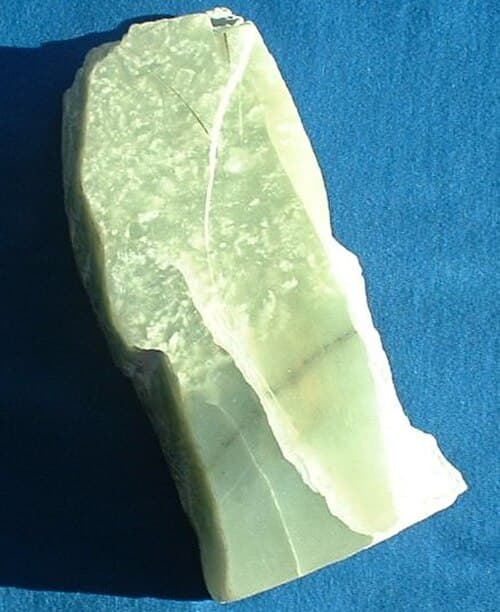
Revered for over 7,000 years, jade is the stone of heaven in Chinese culture, believed to protect health, ward off evil, and connect the wearer to divine virtue.

China
The Laughing Buddha — the round, joyful, sack-carrying monk — is China's most beloved symbol of happiness, wealth, and the simple abundance that comes from contentment.
China
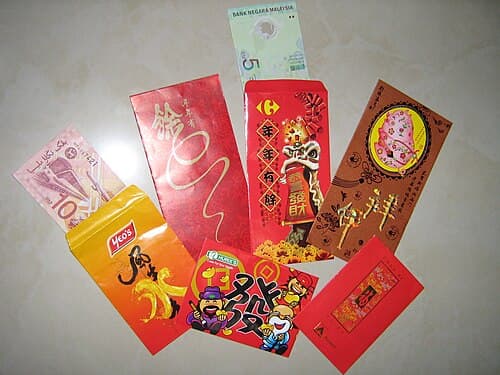
The red envelope (hongbao) is China's most universal good-fortune gift, transferring luck and blessings along with cash at every major life celebration.

China
Lucky Bamboo is a feng shui staple believed to bring good fortune, prosperity, and positive energy when placed in the home or office.

Japan
The round, roly-poly Daruma doll is Japan's symbol of perseverance — you set a goal, paint one eye, and complete the other only when the goal is achieved.

China
The Chinese dragon is the supreme symbol of imperial power, auspicious fortune, and the dynamic yang energy that drives all achievement and transformation.

China
Goldfish have been symbols of wealth and abundance in China for over a thousand years, their gold color and fluid movement embodying the easy flow of prosperity.
China
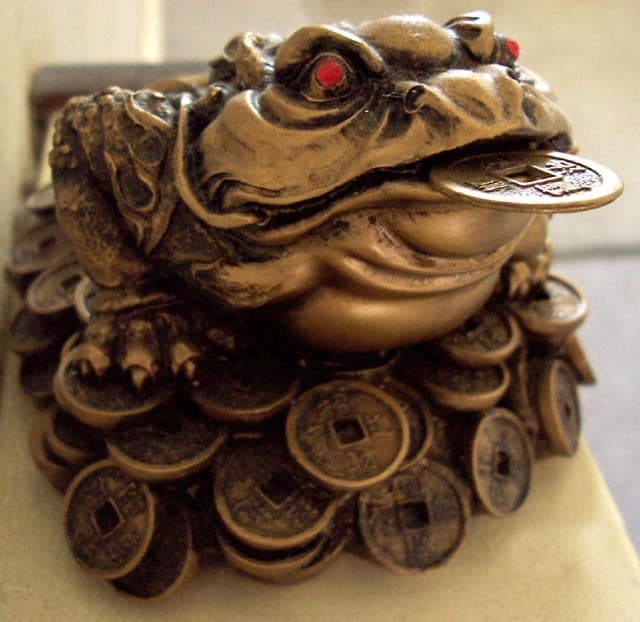
The three-legged toad sitting on coins with a coin in its mouth is one of feng shui's most potent wealth activators, said to attract money and prevent it from leaving.

Japan
The koi fish symbolizes perseverance, ambition, and transformation — the legendary carp that swam upstream and leaped the Dragon Gate to become a dragon.

China
The red string bracelet is one of East Asia's most widely worn protective charms, believed to ward off evil, bind fated relationships, and carry the protective power of the color red.

Italy
The sea's living architecture, carried as a charm of protective blood-red vitality, ocean blessing, and the communal strength of structures built over generations.

Japan
The ocean's luminous jewel, formed of patience and adversity, worn as a charm of purity, wisdom, and the beauty wrought by transforming irritation into treasure.
Japan
A miniaturized version of the Maneki-neko's famous beckoning gesture, the lucky cat paw charm captures the essence of the invitation in a small, portable talisman.
China
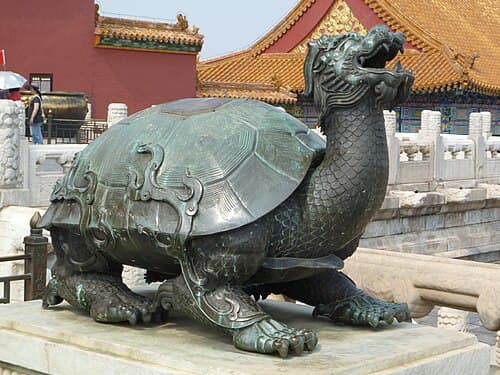
The Dragon Turtle combines the protective wisdom of the turtle with the powerful success energy of the dragon, creating one of feng shui's most potent talismans for career advancement.

China
Two fish swimming in perfect parallel is one of the Eight Auspicious Symbols of Buddhism and China's most ancient emblem of love, fertility, and the harmonious joy of partnership.

China
Shuang Xi — the Double Happiness character — is China's most recognized symbol of marital joy, formed by writing the character for 'happiness' twice in a single united form.

China
The Money Tree is a feng shui plant believed to generate positive energy and financial luck, its coin-shaped leaves symbolizing wealth growing steadily from roots of patience.

China
The Wu Lou bottle gourd is China's most important health and longevity charm, carried by the Eight Immortals and believed to contain the elixir of immortal life.

China
The carp leaping the Dragon Gate is East Asia's most powerful metaphor for achieved ambition — a charm depicting the moment of transformation when sustained effort becomes transcendent success.
China
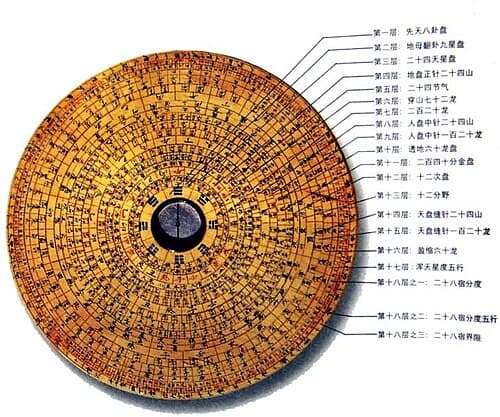
The Luopan feng shui compass is the master instrument of Chinese geomancy, used to align buildings, graves, and lives with the optimal energy flows of the cosmos.
Japan
The black variant of Japan's lucky cat is a powerful protective charm specifically associated with warding off evil, stalkers, and malicious intentions.
Japan
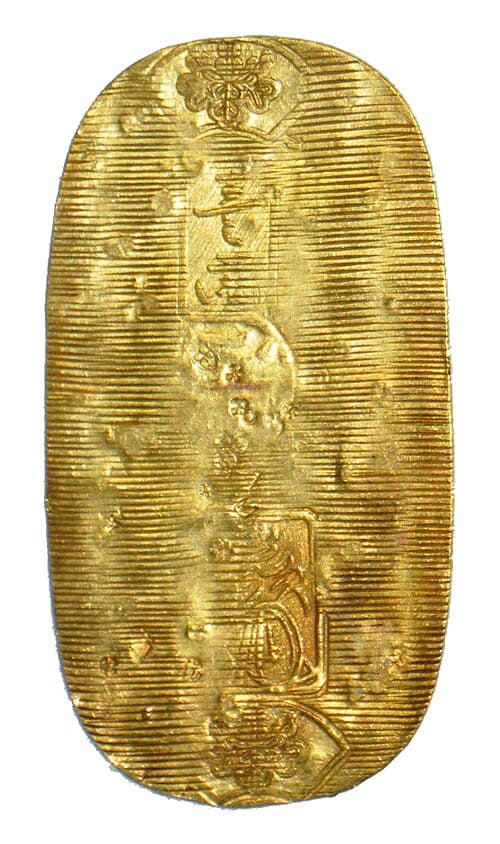
A specialized variant of the Maneki-neko tradition, the beckoning cat coin combines the luck-attracting power of the lucky cat with the wealth-anchoring energy of a coin charm.
Japan
The cat bell, derived from the collar bell of the traditional Maneki-neko, is a sound-based luck charm believed to announce the arrival of fortune with each ring.

China
Fu Dogs — imperial stone lions that guard the gates of palaces, temples, and homes — are China's supreme protective talisman against evil, theft, and misfortune.

South Korea
The three-legged crow of the sun is an ancient East Asian solar symbol representing the divine energy of achievement, the connection between heaven and earth, and the unstoppable power of solar vitality.

Japan
The origami crane carries Japan's most beloved folk promise: fold one thousand cranes (senbazuru) with a sincere wish and the gods will grant it.

Japan
Omamori are sacred Japanese amulets sold at Shinto shrines and Buddhist temples, offering specific divine blessings for love, safety, success, health, or any of dozens of specialized needs.

Japan
Ema are small wooden votive plaques purchased at Japanese shrines, inscribed with personal wishes, and left hanging at the shrine for the gods to read and fulfill.

Japan
Koinobori — carp-shaped wind streamers — are flown on Children's Day in Japan as a wish for children's strength, perseverance, and the courage to leap over life's obstacles.

Japan
The Japanese folding fan is a symbol of prosperity and good beginnings — its shape, widening from a single point to a broad arc, physically embodies the expansion of fortune from humble origins.

Japan
The rotund raccoon dog of Japanese folklore is a beloved wealth and luck charm associated with money, sake, and the cheerful prosperity of good times shared with others.

Japan
The Tengu's fearsome red mask with its impossibly long nose is a Japanese protective talisman representing the ferocious guardian spirits of mountains and martial wisdom.

Japan
The Inu Hariko is a Japanese papier-mâché dog charm given to pregnant women and newborns for safe delivery and healthy childhood — the loyal dog standing guard over life's most vulnerable moments.

Japan
Traditional Japanese wooden Kokeshi dolls are folk art charms originally carved as offerings to mountain deities, now beloved as symbols of love, friendship, and the warmth of human connection.

Japan
The Uchide no Kozuchi is the legendary magic mallet from Japanese folklore that grants any wish when shaken — the ultimate symbol of abundance conjured from thin air.

Japan
The Sarubobo is the beloved red doll of the Hida-Takayama region — a faceless monkey baby charm given for love, relationship harmony, and the wish that life goes smoothly.
Japan
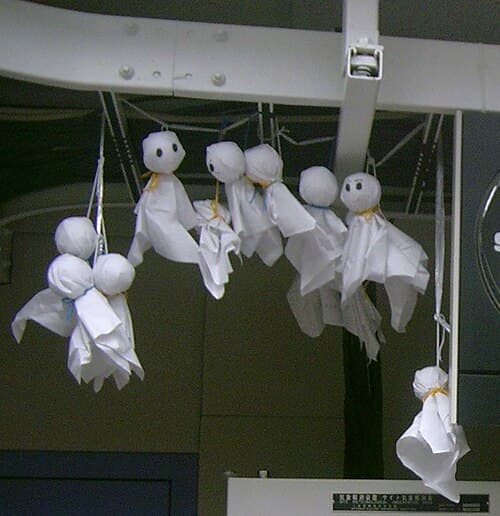
Teru Teru Bozu are small white cloth ghost-like dolls hung from windows by Japanese children to wish away rain and invite sunshine for the next day's important outdoor event.

Japan
Shisa are Okinawa's beloved lion-dog guardians, placed in pairs on rooftops and gates to ward off evil spirits and protect homes from disaster.

Japan
Miniature torii gate charms carry the sacred threshold energy of Shinto shrine gates — the boundary between ordinary reality and the divine presence they mark.

China
The peach in Chinese mythology is the fruit of the immortals, ripening once every three thousand years in the garden of the Queen Mother of the West to grant eternal life.
China
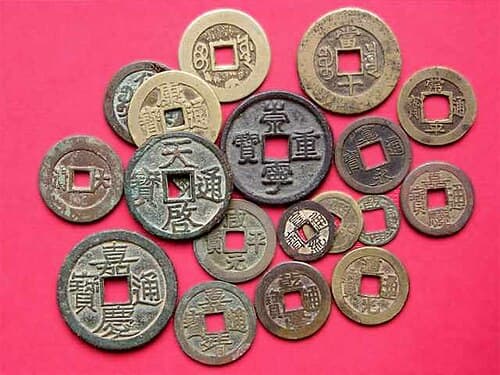
Ancient Chinese coins with square holes, tied in groups of three with red string, are powerful feng shui wealth activators connecting the circular heavens with the square earth.

