

14
Success
🎎
Daruma Doll
Japan
The round, roly-poly Daruma doll is Japan's symbol of perseverance — you set a goal, paint one eye, and complete the other only when the goal is achieved.
4.8Learn more →


The beckoning cat is Japan's most iconic good-luck charm, believed to wave fortune, customers, and prosperity into any space it occupies.
The Maneki-neko, literally 'beckoning cat,' is one of the most recognizable symbols of good fortune in East Asian culture. Originating in Edo-period Japan, the figurine depicts a cat — most commonly a calico Japanese Bobtail — with one paw raised in a beckoning gesture. The charm is found at the entrances of restaurants, shops, banks, and homes across Japan, China, and the broader Asian diaspora worldwide, functioning as both a spiritual invitation and a cheerful cultural statement about the relationship between hospitality and abundance.
The legend most commonly associated with the Maneki-neko involves a poverty-stricken temple cat that saved a feudal lord from a lightning strike by beckoning him inside. Out of gratitude, the lord restored the temple's fortunes, and after the cat's death a statue was erected in its memory. Another popular legend centers on a geisha named Usugumo who kept a beloved cat; when her cat was beheaded by a sword — allegedly to kill a snake lurking behind her — the cat's spirit continued to protect her. Both stories underscore themes of loyalty, sacrifice, and reciprocal fortune.
The raised paw carries specific meaning depending on which side is lifted. A raised left paw is said to beckon customers and people, making it ideal for businesses. A raised right paw invites money and luck, suiting personal homes. Some figurines have both paws raised, though traditionalists joke this means the cat has given up on guarding anything and is simply surrendering. The color of the cat further refines its purpose: white for purity and happiness, gold for wealth, black for protection from evil, red for health, and pink for romantic luck.
Prosperity, the attraction of customers and wealth, good fortune flowing into any space, and the loyal generosity that creates lasting abundance.
Place a Maneki-neko near the entrance of a business or home, ideally at a height slightly above eye level and facing toward the door or window where visitors or opportunities enter. Keep the figurine clean and dust-free; a neglected cat is said to lose its beckoning power. Replace or refresh the charm annually, ideally around the lunar new year.
The solar-powered Maneki-neko with a motorized waving arm was invented in 1983 and became a global phenomenon — there are now estimated to be over 10 million of them in use outside Japan, making it arguably the most widely distributed Japanese cultural export after anime.
Left paw raised beckons people, customers, and friends — best for businesses. Right paw raised beckons money and good luck — preferred for homes. Both interpretations are positive; the choice depends on what you most want to attract.
Yes. White symbolizes happiness and purity, gold attracts wealth, black wards off evil and brings protection, red promotes health and safety, and pink draws romantic fortune. Calico (tricolor) combines all blessings and is considered the most traditionally auspicious.
The most auspicious position is near the cash register or the main entrance, elevated slightly and facing the door. The cat should never be placed on the floor, in the bathroom, or facing a wall, as these positions are considered inauspicious.
Japan
The round, roly-poly Daruma doll is Japan's symbol of perseverance — you set a goal, paint one eye, and complete the other only when the goal is achieved.
China
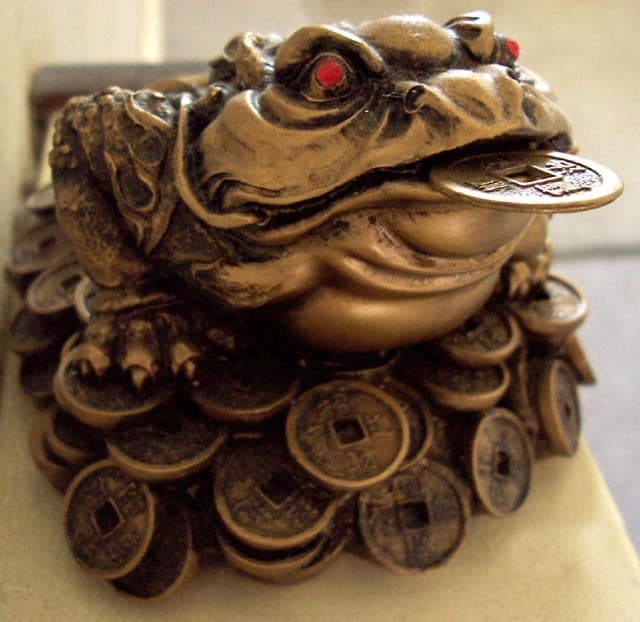
The three-legged toad sitting on coins with a coin in its mouth is one of feng shui's most potent wealth activators, said to attract money and prevent it from leaving.

China
The Laughing Buddha — the round, joyful, sack-carrying monk — is China's most beloved symbol of happiness, wealth, and the simple abundance that comes from contentment.
Japan
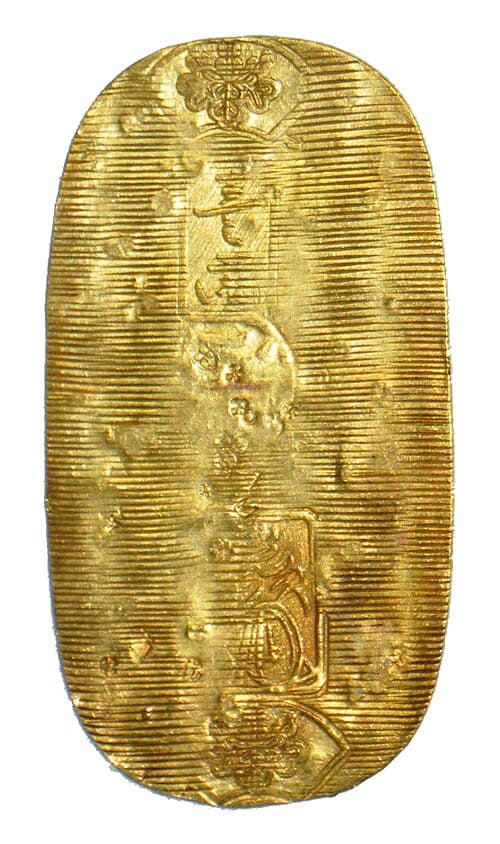
A specialized variant of the Maneki-neko tradition, the beckoning cat coin combines the luck-attracting power of the lucky cat with the wealth-anchoring energy of a coin charm.

