

1
Protection
👁️
Evil Eye (Middle East)
Middle East
A blue glass bead charm that reflects the envious gaze before it can cause harm.
4.8Learn more →

The world's most beloved symbols of fortune, ranked by global popularity across 200+ countries. From ancient talismans to modern keepsakes — every charm has a story.
Middle East
A blue glass bead charm that reflects the envious gaze before it can cause harm.

Ireland
The rarest clover mutation, treasured as nature's own lucky charm.
United Kingdom
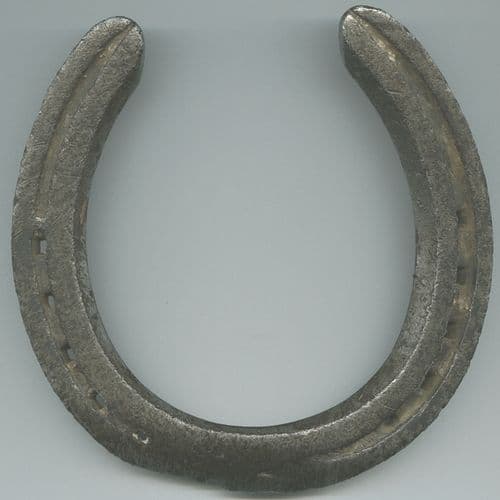
An iron crescent hung above doorways to catch and hold good luck.

Japan
The beckoning cat is Japan's most iconic good-luck charm, believed to wave fortune, customers, and prosperity into any space it occupies.
Middle East
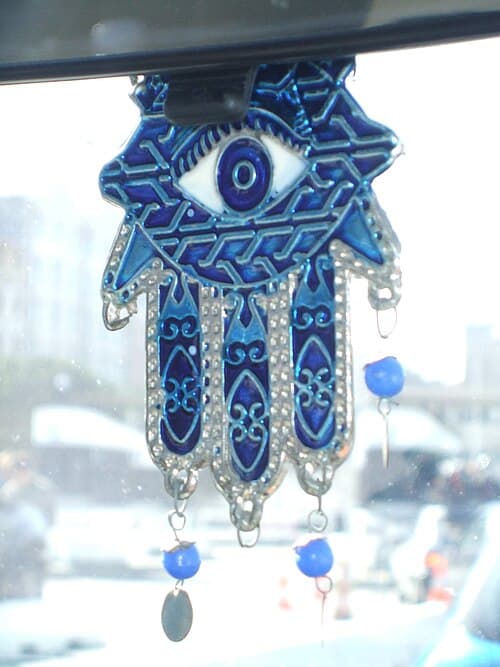
An open palm amulet warding off the evil eye across Middle Eastern and North African cultures.

Ojibwe Nation, North America
A woven hoop hung above the bed to filter nightmares and allow only good dreams to pass through.

United States (adapted from Mediterranean/Middle Eastern tradition)
The iconic blue glass eye bead bracelet popularized in American fashion and metaphysical culture for protection against envy and negative energy.
China
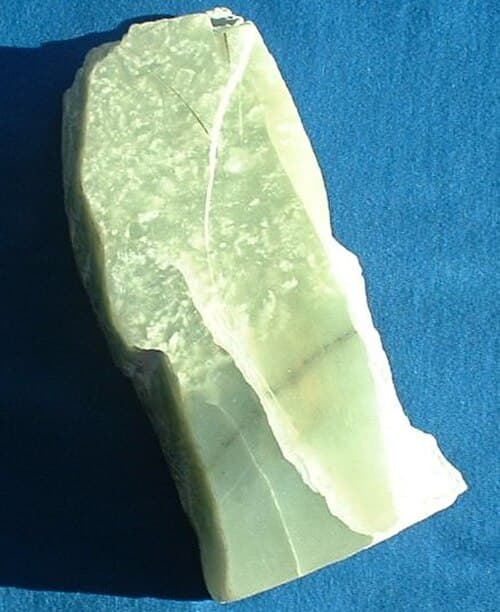
Revered for over 7,000 years, jade is the stone of heaven in Chinese culture, believed to protect health, ward off evil, and connect the wearer to divine virtue.

China
The Laughing Buddha — the round, joyful, sack-carrying monk — is China's most beloved symbol of happiness, wealth, and the simple abundance that comes from contentment.

India
The sacred elephant symbolizes wisdom, prosperity, and the removal of obstacles across South and Southeast Asia.
China
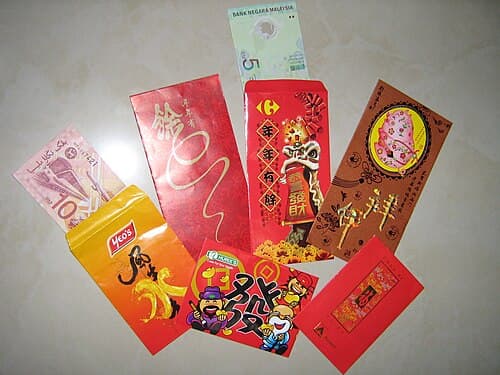
The red envelope (hongbao) is China's most universal good-fortune gift, transferring luck and blessings along with cash at every major life celebration.

China
Lucky Bamboo is a feng shui staple believed to bring good fortune, prosperity, and positive energy when placed in the home or office.

Egypt
The sacred Egyptian beetle of Khepri, symbol of transformation, rebirth, and the rising sun.

Japan
The round, roly-poly Daruma doll is Japan's symbol of perseverance — you set a goal, paint one eye, and complete the other only when the goal is achieved.

India
The primordial sound of the universe, Om is the most sacred symbol in Hinduism, Buddhism, and Jainism.

United Kingdom
The carried token of the animal renowned across cultures for its fecundity and quick fortune.

United Kingdom
The spotted red beetle that brings good fortune to whoever it lands upon.

Ancient Near East
Across cultures and continents, the number seven is considered the luckiest single digit, woven into mythology, religion, science, and folklore.
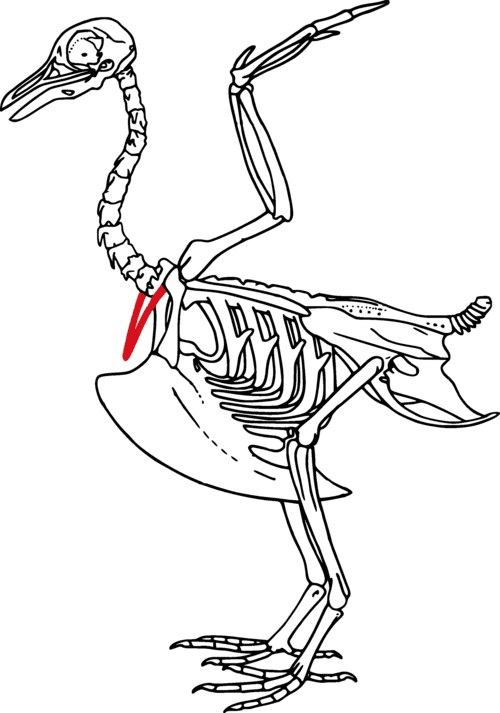
United Kingdom
The forked bird bone over which two people compete for their heart's desire.

United Kingdom
The humble copper coin that promises a turn of fortune when found heads-up.

Egypt
The ancient Egyptian key of life, a symbol of immortality and the union of masculine and feminine forces.

China
The Chinese dragon is the supreme symbol of imperial power, auspicious fortune, and the dynamic yang energy that drives all achievement and transformation.

China
Goldfish have been symbols of wealth and abundance in China for over a thousand years, their gold color and fluid movement embodying the easy flow of prosperity.
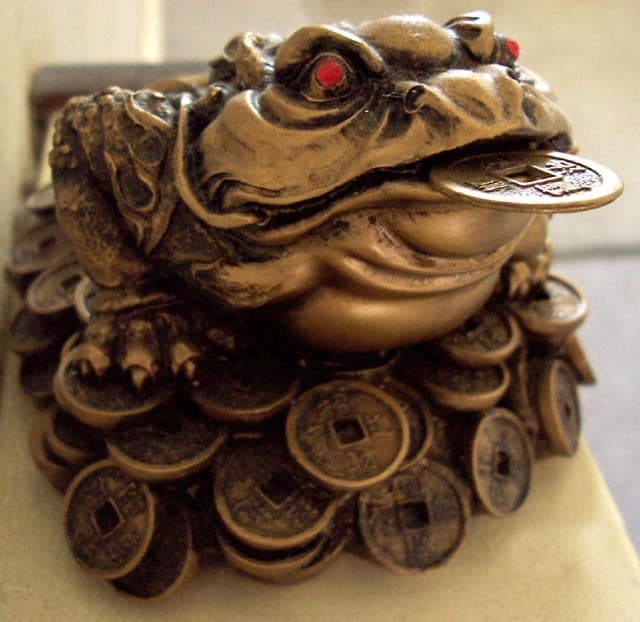
China
The three-legged toad sitting on coins with a coin in its mouth is one of feng shui's most potent wealth activators, said to attract money and prevent it from leaving.

Japan
The koi fish symbolizes perseverance, ambition, and transformation — the legendary carp that swam upstream and leaped the Dragon Gate to become a dragon.

Brazil
The stone of unconditional love, carried as the most universal charm for opening the heart to romantic love, self-love, and compassionate healing.

Brazil
The golden abundance crystal, known as the Merchant's Stone, carried to attract wealth, success, and the warm energy of solar prosperity.

Brazil
The royal purple crystal of sobriety and spiritual clarity, worn as a charm of protection, intuition, and connection to higher wisdom.
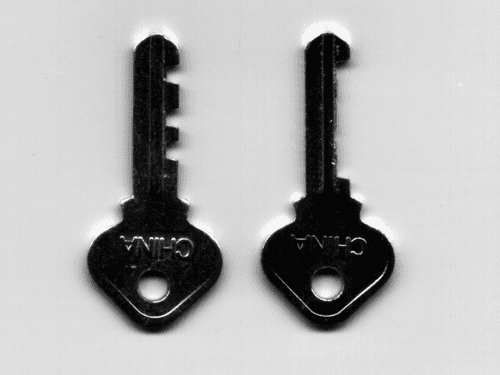
Germany
The symbol of access, knowledge, and new beginnings that unlocks the doors of fortune.

Israel
The six-pointed star that became Judaism's most recognized symbol, now carried as both identity marker and protective charm.

Early Medieval Ireland / Scotland
The Celtic Cross — a traditional Christian cross encircled by a ring — is an iconic symbol of Irish and Scottish heritage, faith, and eternal life used as a protective charm for millennia.

Early Christianity (Rome)
The Crucifix — a cross bearing the corpus (body) of Christ — is the central symbol of Christianity and one of the most powerful protective charms in the Western world.
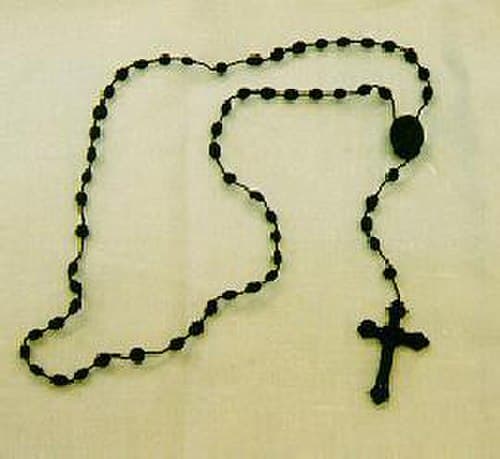
Medieval Europe
Rosary beads are the most recognizable Catholic prayer tool in the world, used by hundreds of millions for meditative prayer, protection, and the invocation of divine grace.

India
The elephant-headed Hindu deity Ganesha is the remover of obstacles and the lord of new beginnings.

United Kingdom
The pair of spotted cubes that embody chance itself, transformed into a personal lucky talisman.

China
The red string bracelet is one of East Asia's most widely worn protective charms, believed to ward off evil, bind fated relationships, and carry the protective power of the color red.
Middle East / North Africa
The sacred open palm named for the Prophet Muhammad's daughter, a cornerstone of Islamic protective symbolism.
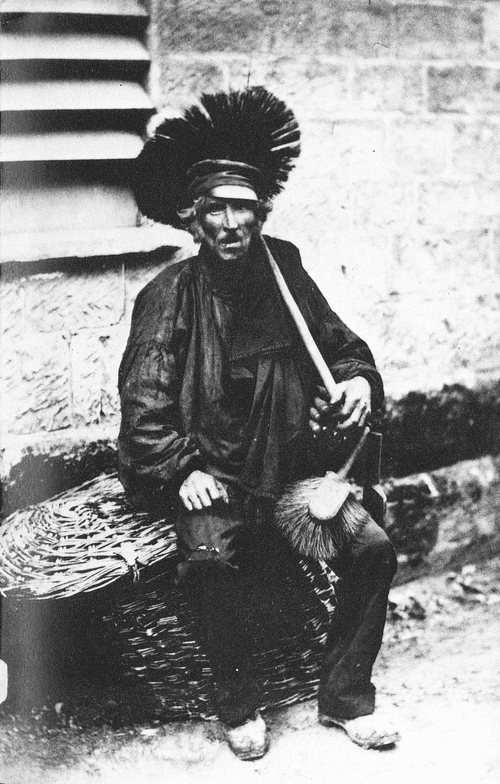
United Kingdom
The soot-covered bringer of luck whose handshake at a wedding guarantees happiness.

Germany
The pink porker at the heart of Germanic New Year luck traditions.

United Kingdom
The parasite plant the druids held sacred, bridging worlds and granting protection.

India
A string of 108 prayer beads used for mantra repetition, mala beads align the practitioner's energy with divine intention through meditative counting.

France
The patron saint of travellers whose medal has accompanied millions on journeys.

Christian Europe / United States
The Guardian Angel pin is a small angel-shaped brooch or lapel pin worn as a portable protection charm, especially beloved for children, travelers, and those in physically dangerous work.

India
The peacock feather with its all-seeing eye is associated with Lord Krishna, the goddess Saraswati, and transformative divine beauty.

Iran
The ancient sky-stone of the world's oldest cultures, worn as a charm of protection, communication, and the sacred turquoise bridge between earth and heaven.

Jamaica
Jamaica's national bird — the streamertail hummingbird — a symbol of joy, agility, and the vibrant natural spirit of the Caribbean island.

Pan-Indigenous North America
A sacred symbol across countless Indigenous cultures representing freedom, spiritual connection, and messages from the divine.

Italy
The sea's living architecture, carried as a charm of protective blood-red vitality, ocean blessing, and the communal strength of structures built over generations.

Japan
The ocean's luminous jewel, formed of patience and adversity, worn as a charm of purity, wisdom, and the beauty wrought by transforming irritation into treasure.
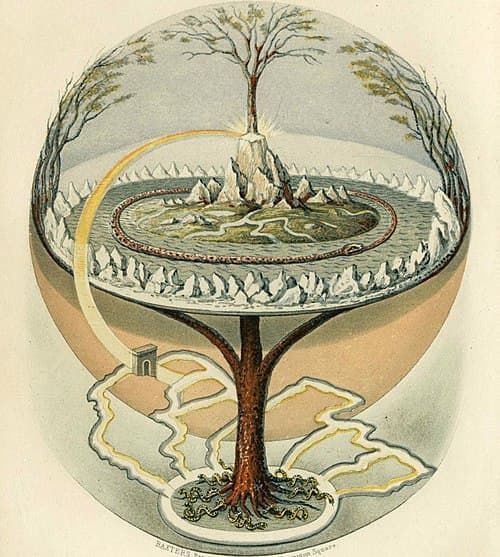
Ancient Mesopotamia / Multiple traditions
The Tree of Life is a universal symbol found in nearly every major world culture, representing the interconnection of all life, ancestral roots, and the continuous cycle of growth and renewal.
Turkey
Turkey's iconic blue glass evil eye bead — the nazar boncuğu — protecting against the destructive gaze of envy.
Greece
Greece's ancient blue eye amulet — the mati — protecting against the evil eye's harm since antiquity.
India
The open palm amulet protects against the evil eye and channels divine blessing, appearing across Hindu, Muslim, and Jewish traditions throughout South Asia.
Israel
The Jewish version of the Hamsa hand, inscribed with Hebrew prayers and the Shema to protect against the evil eye.

Egypt
The sacred eye of the falcon god, a powerful amulet of healing, protection, and royal authority.

Ancient Egypt / Renaissance Europe
The Eye of Providence — an all-seeing eye within a triangle or radiant light — is a symbol of divine omniscience, protection, and the watchful care of the universe over human affairs.

Ancient Egypt / Greece
The Phoenix — the mythical bird that rises reborn from its own ashes — is the world's most powerful symbol of resurrection, transformation, and the triumph of the human spirit over adversity.

Ancient China
The Yin Yang symbol represents the perfect balance of opposing forces — dark and light, feminine and masculine, rest and action — and is used globally as a talisman for harmony and well-being.

China
The Bagua Mirror is feng shui's most powerful deflection tool — an octagonal mirror ringed with the eight trigrams of the I Ching, used exclusively for exterior protection.
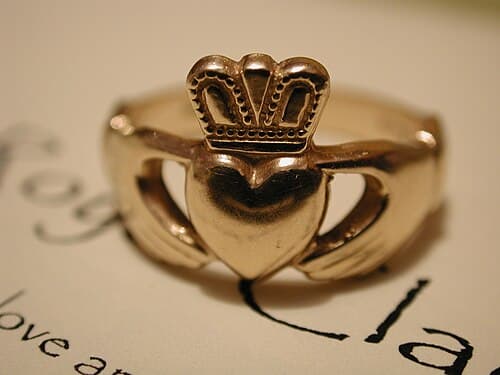
Ireland
The Irish ring of hands, heart, and crown declaring love, loyalty, and friendship.

Ireland
The mischievous fairy cobbler who guards a pot of gold at the rainbow's end.
United States (adapted from European tradition)
An iron horseshoe hung above doors to collect and hold good luck, one of North America's most enduring folk charms.
United States (adapted from Celtic/Irish tradition)
A rare clover mutation found in lawns and meadows, considered the ultimate symbol of natural good luck in American folk tradition.

India
Rising pure from muddy water, the lotus is the universal symbol of spiritual awakening and untouched beauty across Asia.
Egypt
The sacred flower of the Nile, a universal symbol of creation, rebirth, and the emergence of beauty from darkness.
Ancient India
Buddhist prayer beads (mala) are used across all Buddhist traditions as a tool for counting mantra repetitions and sustaining meditative focus, while serving as a protective and calming talisman.
United Kingdom
The most universally lucky number in Western culture, encoded in the cosmos itself.
Japan
A miniaturized version of the Maneki-neko's famous beckoning gesture, the lucky cat paw charm captures the essence of the invitation in a small, portable talisman.

Germany / Appalachian USA
The cat's eye marble — a glass sphere with a spiral or ribbon of color at its center — is a beloved childhood lucky charm that also carries adult associations with foresight, protection, and the all-seeing eye.
Netherlands
The beckoning cat that arrived from Japan and was adopted into European luck tradition.

Ancient India / Tibet
The Endless Knot (Shrivatsa) is one of the Eight Auspicious Symbols of Buddhism, representing the interconnectedness of all phenomena, infinite compassion, and the timeless wisdom of the Buddha.

India
The eight-spoked wheel represents the Buddha's Noble Eightfold Path and the turning of cosmic law, one of the most universal Buddhist symbols.

Ancient India / Tibet
White Tara is the goddess of compassion, healing, and longevity in Tibetan Buddhism, invoked through her mantra and image for healing, long life, and the cultivation of wisdom and compassion.

Nepal
Metal bowls that produce healing resonant tones when struck or rimmed are used for meditation, sound healing, and space purification.
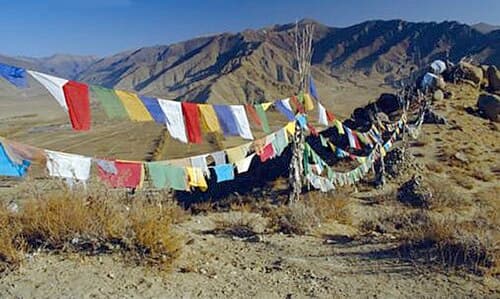
Nepal
Colorful rectangular flags inscribed with mantras and prayers send blessings to all beings as the wind carries their words across the world.

Nepal
A spinning cylinder filled with mantras generates merit and blessings with each rotation, making every turn a complete prayer.

India
A leaf from the sacred Bodhi tree, site of the Buddha's enlightenment, is a tangible connection to the moment of history's most celebrated awakening.

Ancient India / Tibet
The Medicine Buddha (Sangye Menla) is the healing manifestation of enlightened mind in Vajrayana Buddhism, invoked worldwide for physical, mental, and spiritual healing.

India
Seeds of the Elaeocarpus ganitrus tree, rudraksha beads are the tears of Shiva — the most potent Hindu spiritual talisman.

India
The decorative forehead dot marks the ajna chakra, protecting the wearer and concentrating intuitive power.

India
The sacred conch shell is blown at auspicious moments to purify the atmosphere and invoke divine blessing across Hindu and Buddhist traditions.

India
The pot filled with sacred water and crowned with a coconut and mango leaves represents the universe and invites the gods to reside within.

India
The sacred red mark applied to the forehead activates the ajna chakra and marks the body as consecrated to the divine.
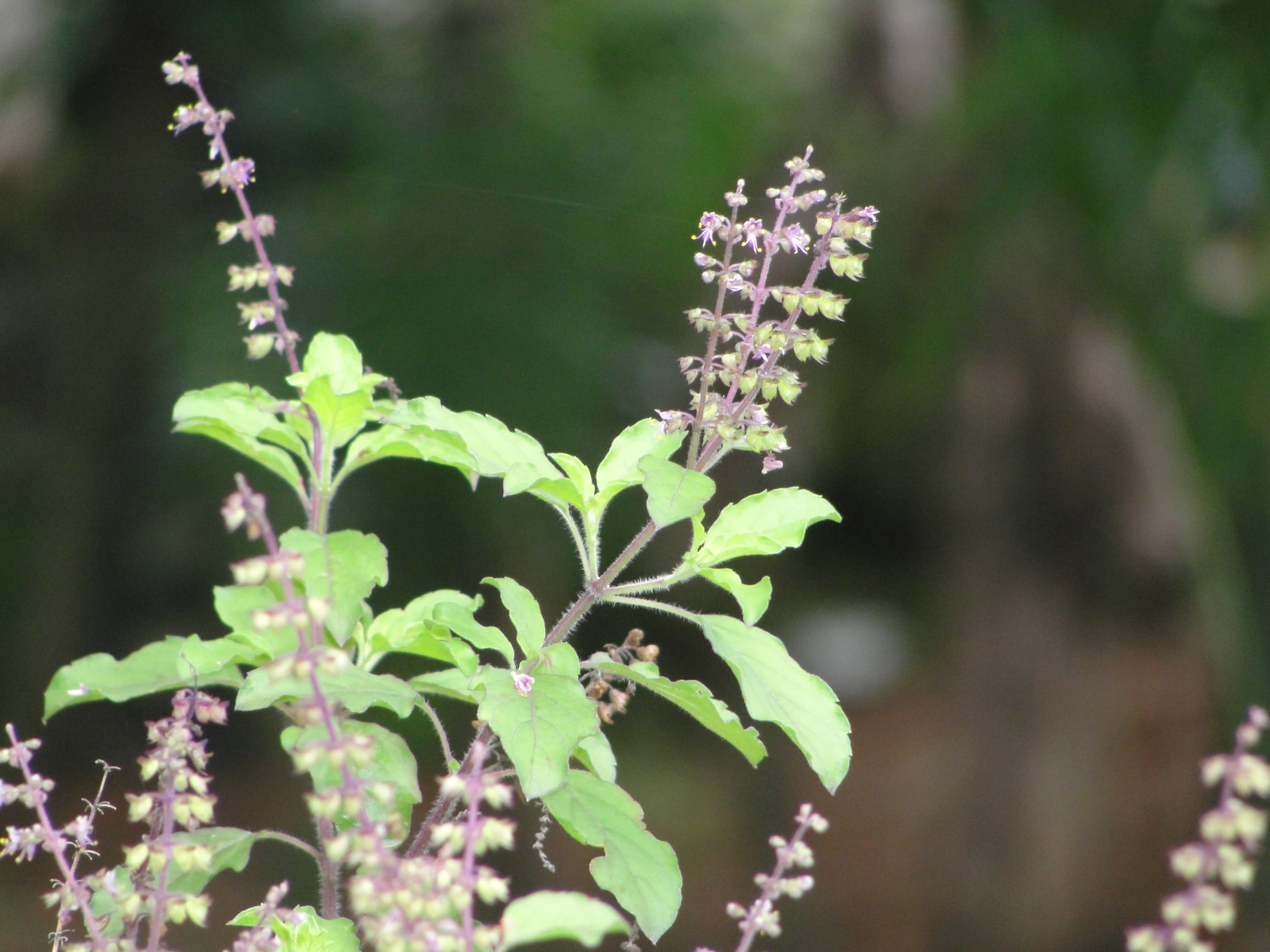
India
The holy basil plant is considered the earthly manifestation of the goddess Lakshmi and the most sacred plant in the Hindu home.
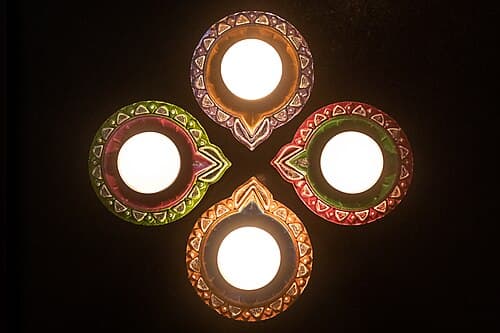
India
The clay oil lamp is the most fundamental symbol of the dispelling of darkness and the inviting of divine light into one's life.

India
Coins bearing Lakshmi's image, exchanged at Diwali as prosperity tokens, carry the goddess's direct blessing of abundance.

India
Nine sacred gemstones linked to the nine celestial bodies, worn together to balance cosmic influences and attract total fortune.

India
Sacred geometric diagrams functioning as visual mantras, yantras concentrate divine energy into a specific intention.

Saudi Arabia
The curved Saudi sabre from the Kingdom's flag, a symbol of justice, courage, and the unified Arabian nation.

Mexico (Catholic folk tradition)
Small metal votive charms placed on saint statues or shrines to request miracles or give thanks for prayers answered.
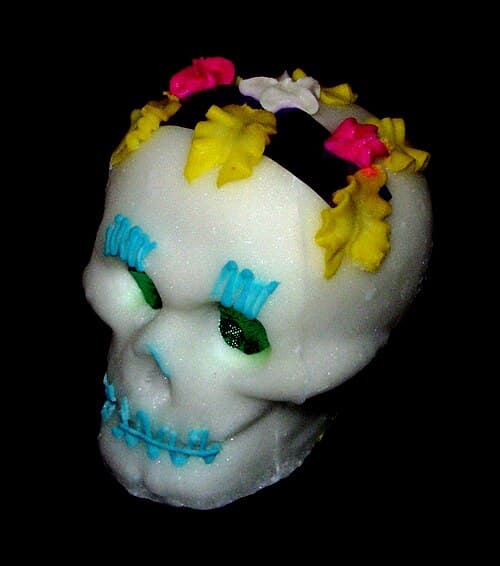
Mexico
A decorated sugar skull that honors the dead during Día de los Muertos, celebrating the joyful reunion between the living and their beloved ancestors.

Mexico
The most venerated Catholic image in the Americas — the dark-skinned Virgin who appeared to Juan Diego in 1531, patroness of Mexico and all the Americas.

Mexico and Mesoamerica
The sacred tree resin burned in Mesoamerican ceremonies for thousands of years, carrying prayers to the divine and purifying all it touches.

Pan-Indigenous North America
A small sacred pouch containing personally meaningful objects that serve as a spiritual anchor, protection, and connection to one's power.
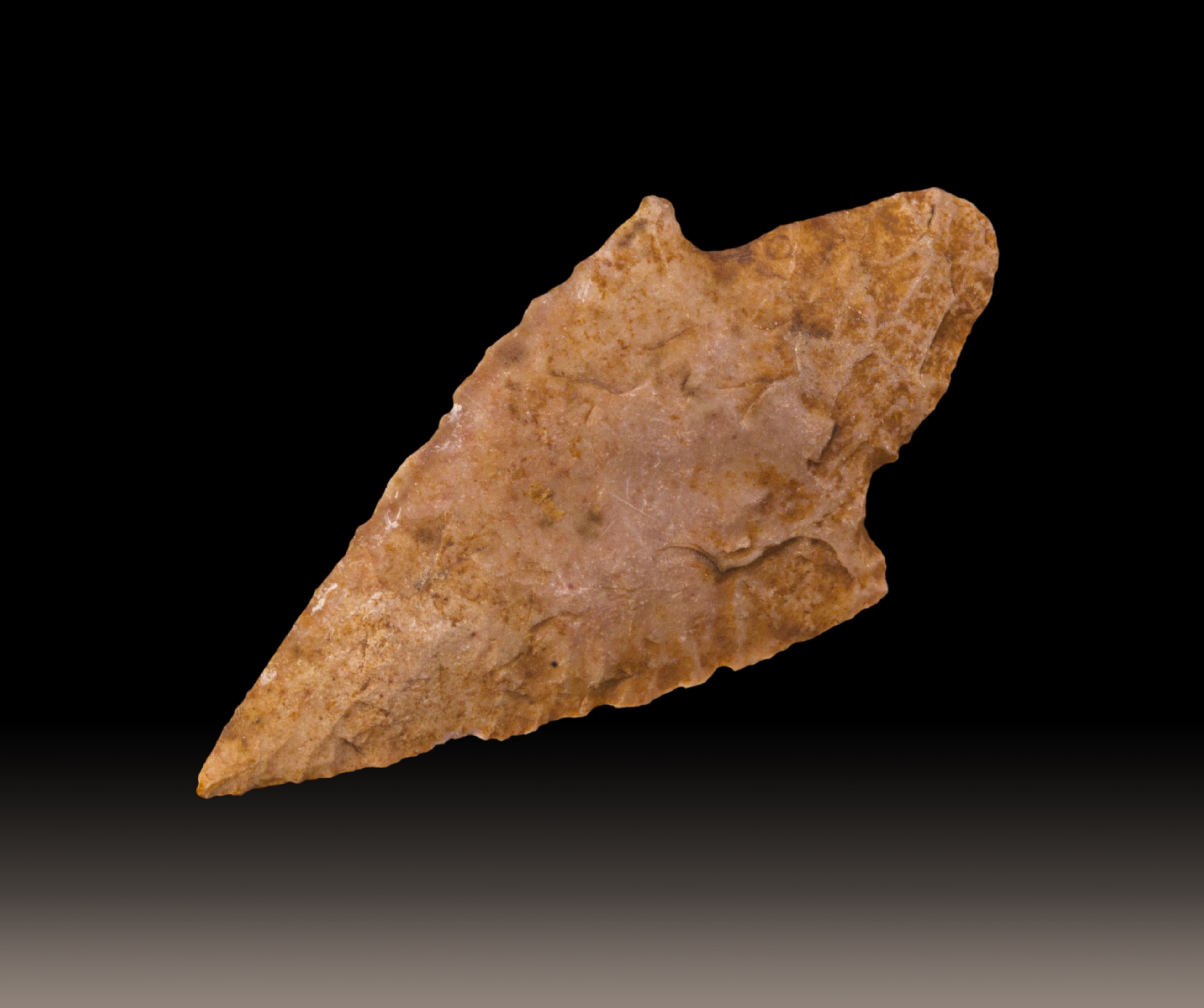
Pan-Indigenous North America
Ancient stone points worn as amulets to deflect evil spirits and negative energy, honoring the skills of ancestral hunters.
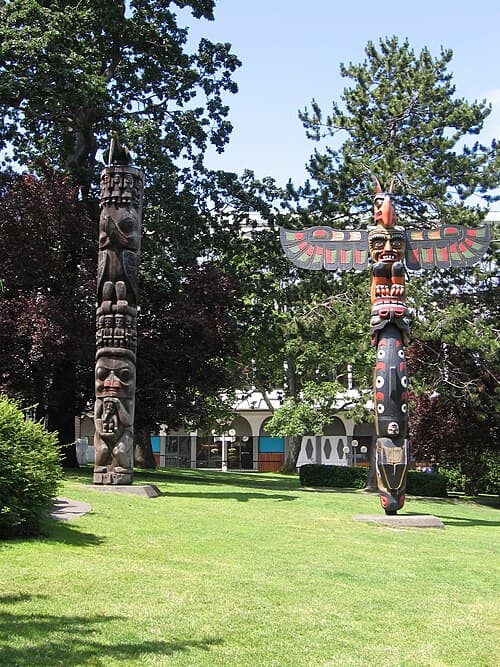
Pacific Northwest Coast, North America
A miniature representation of the carved cedar poles that record family histories, clan crests, and ancestral stories of Pacific Northwest peoples.

Pacific Northwest and Plains Indigenous peoples
A supernatural bird of immense power found across Indigenous traditions from the Pacific Northwest to the Great Plains, representing the awesome force of storms and sky.

Arctic Canada and Alaska
A human-shaped stone cairn built across the Arctic as navigation markers, spiritual landmarks, and symbols of human presence in vast wilderness.

Canada
The iconic symbol of Canadian national identity representing resilience, generosity, and the breathtaking abundance of the natural world.

Australia
The iconic returning weapon of Australia symbolising the universal law that what you send out always comes back.
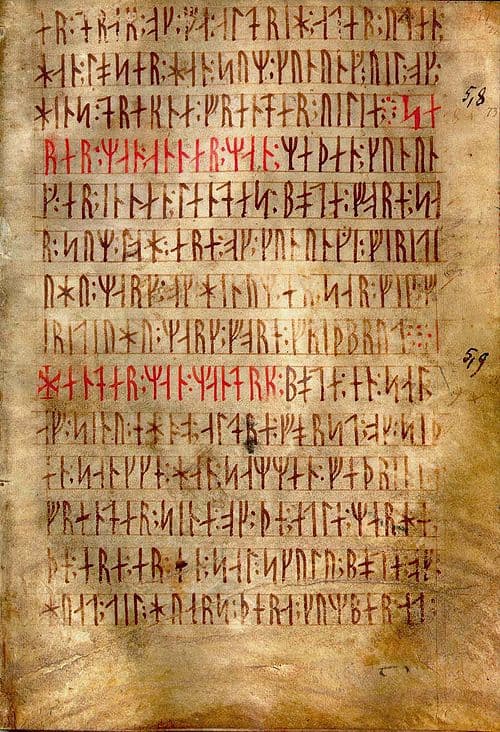
Norway
The ancient Norse alphabet stones used for divination and as powerful protective talismans.

Norway
The mighty hammer of the thunder god, worn as protection across the Viking world.
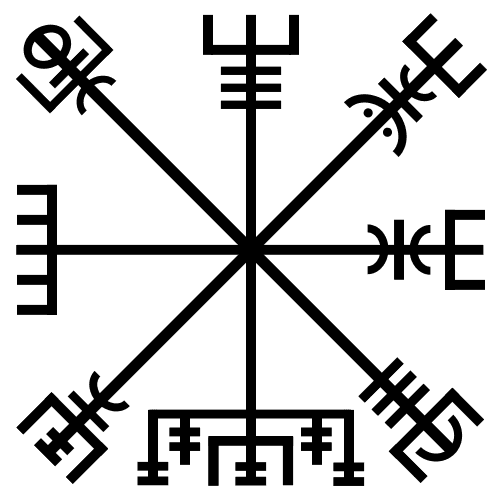
Iceland
The Norse symbol of invincibility that Viking warriors wore before battle.
Iceland
The Norse wayfinder compass that guides its bearer through storms to safe harbour.

Norway
The immense World Tree of Norse mythology connecting all realms of existence.

Ireland
The ancient triple spiral of the Celts, encoding the threefold nature of reality.

Ancient Babylon / Medieval Europe
The pentacle — a five-pointed star enclosed in a circle — is one of the most powerful protective symbols in Western magical tradition, used for millennia to ward off harm and invoke elemental balance.

Ancient Egypt
The Ouroboros — a serpent or dragon consuming its own tail — is one of the oldest symbols in the world, representing the infinite cycle of creation and destruction, death and rebirth, and the eternal nature of existence.

Ancient India / 17th-Century Europe
The infinity symbol — a horizontal figure eight — represents endless possibility, eternal love, and the boundless nature of the universe.
Neolithic Europe / Multiple traditions
The spiral is one of humanity's oldest sacred symbols, found in Neolithic art worldwide, representing the cycles of life, evolution, growth, and the journey inward to the center of the self.

Ancient Crete / Greece
The labyrinth is an ancient walking meditation symbol found worldwide, representing the journey inward to the center of the self and the winding path of spiritual growth.
Mediterranean / Middle East
Evil eye candles combine the ancient protective power of the evil eye symbol with the purifying and blessing energy of candlelight, creating a powerful ritual tool for clearing negative energy from home and spirit.
Italy
The Italian protective response to the ancient fear of the envious gaze.

Italy
The twisted red horn amulet of southern Italy that deflects the evil eye.

Italy
The singing insect that brings good fortune to households wise enough to welcome it.
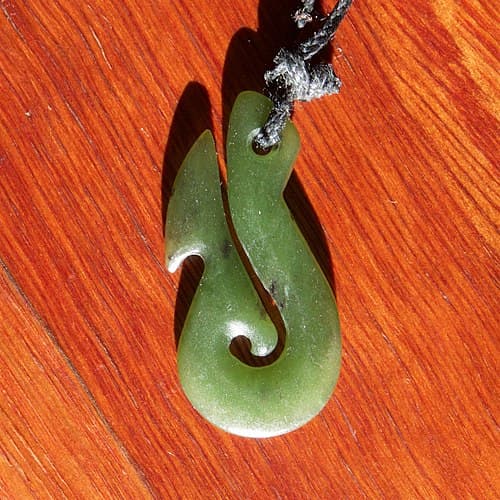
New Zealand
The sacred Maori fish hook pendant, worn as a charm of prosperity, safe sea travel, and the strength to draw abundance from any ocean.
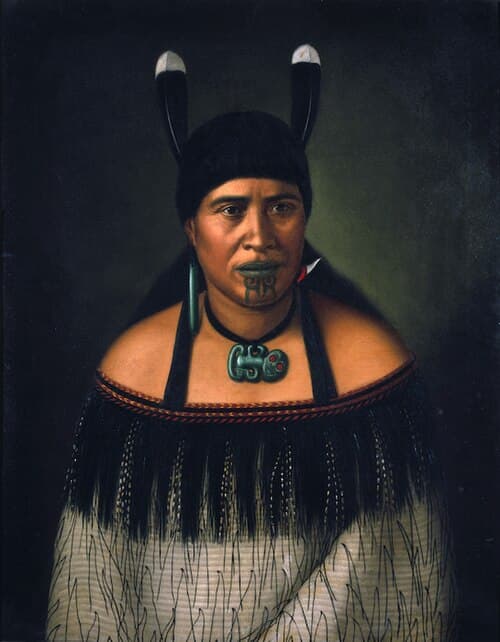
New Zealand
The sacred humanoid pendant of the Maori, worn as a powerful charm of ancestral protection, fertility, and good fortune.

New Zealand
Sacred New Zealand jade carried as a living charm of spiritual authority, healing, and the enduring power of the land.

New Zealand
The unfurling silver fern spiral of Maori art, worn as a charm of new beginnings, growth, and the continuous renewal of life.

New Zealand
The intertwining double twist of Maori carving, gifted as a charm of enduring bonds, loyalty, and two paths forever joined.
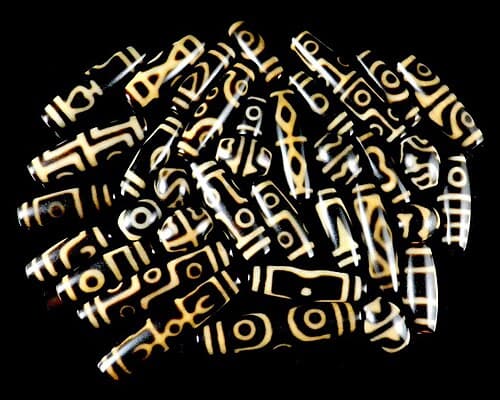
Nepal
Mysterious ancient beads with eye-like patterns are among the most powerful and expensive amulets in Tibetan Buddhist tradition.

China
Pixiu is a mythical Chinese creature with a dragon's head, horse's body, and lion's feet that eats gold but cannot excrete it — the ultimate symbol of wealth accumulation.
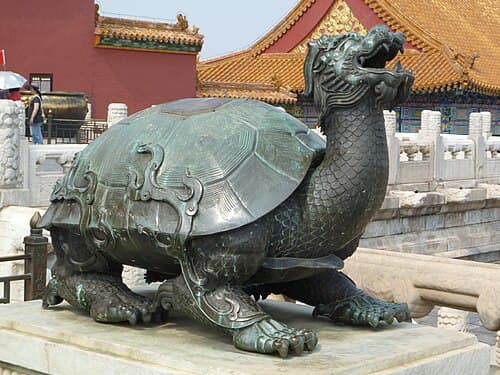
China
The Dragon Turtle combines the protective wisdom of the turtle with the powerful success energy of the dragon, creating one of feng shui's most potent talismans for career advancement.

China
The Ru Yi scepter — its name literally meaning 'as you wish' — is China's ultimate symbol of authority, fulfilled ambitions, and the power to make everything proceed according to one's will.

China
In Chinese culture, the bat is one of the most auspicious animals because its name (fu) is a perfect homophone for 'good fortune' — making the bat a living embodiment of luck itself.

China
The gold sycee ingot — the boat-shaped gold and silver currency of imperial China — is the most direct and universally recognized symbol of accumulated financial wealth in the Chinese tradition.
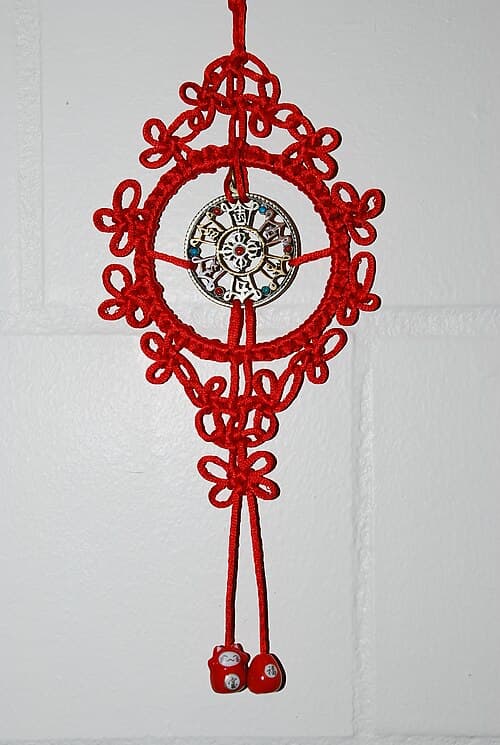
China
Chinese decorative knots are intricate single-cord creations representing unity, good fortune, and the endless continuity of blessings — each pattern carries its own specific meaning.

China
Two fish swimming in perfect parallel is one of the Eight Auspicious Symbols of Buddhism and China's most ancient emblem of love, fertility, and the harmonious joy of partnership.

China
Shuang Xi — the Double Happiness character — is China's most recognized symbol of marital joy, formed by writing the character for 'happiness' twice in a single united form.

Central America / Taiwan
The Money Plant (Pachira aquatica) with its distinctive braided trunk and five-leaflet leaves is used worldwide in feng shui to attract wealth, good fortune, and financial abundance.
China
The Money Tree is a feng shui plant believed to generate positive energy and financial luck, its coin-shaped leaves symbolizing wealth growing steadily from roots of patience.

China
The Wu Lou bottle gourd is China's most important health and longevity charm, carried by the Eight Immortals and believed to contain the elixir of immortal life.

China
The carp leaping the Dragon Gate is East Asia's most powerful metaphor for achieved ambition — a charm depicting the moment of transformation when sustained effort becomes transcendent success.
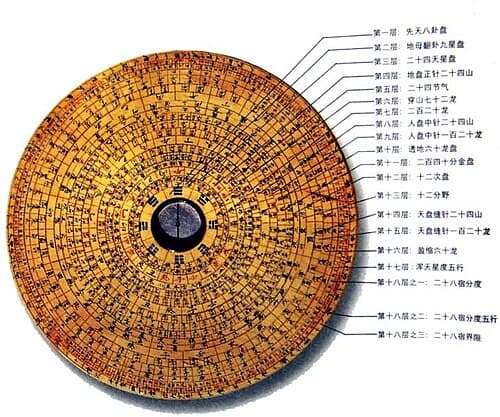
China
The Luopan feng shui compass is the master instrument of Chinese geomancy, used to align buildings, graves, and lives with the optimal energy flows of the cosmos.
Japan
The black variant of Japan's lucky cat is a powerful protective charm specifically associated with warding off evil, stalkers, and malicious intentions.
United States (adapted from Chinese feng shui tradition)
A popular houseplant charm sold widely in American stores as a feng shui luck and prosperity attractor for homes and offices.
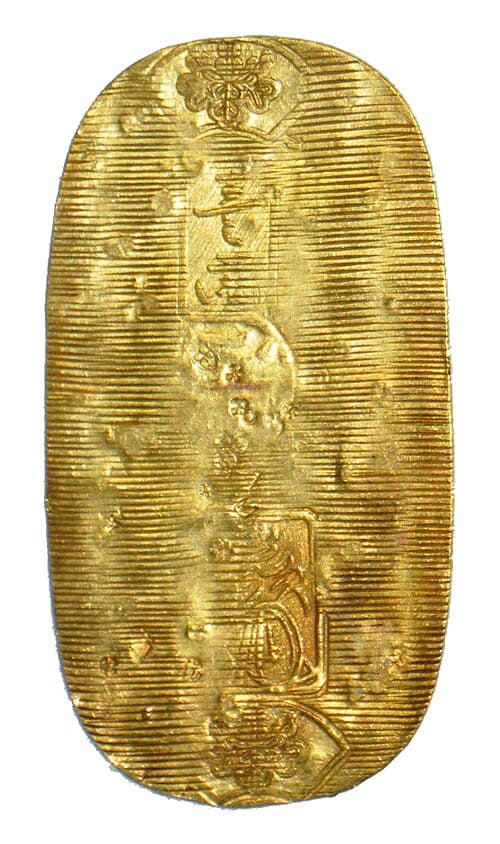
Japan
A specialized variant of the Maneki-neko tradition, the beckoning cat coin combines the luck-attracting power of the lucky cat with the wealth-anchoring energy of a coin charm.
Japan
The cat bell, derived from the collar bell of the traditional Maneki-neko, is a sound-based luck charm believed to announce the arrival of fortune with each ring.

China
Fu Dogs — imperial stone lions that guard the gates of palaces, temples, and homes — are China's supreme protective talisman against evil, theft, and misfortune.
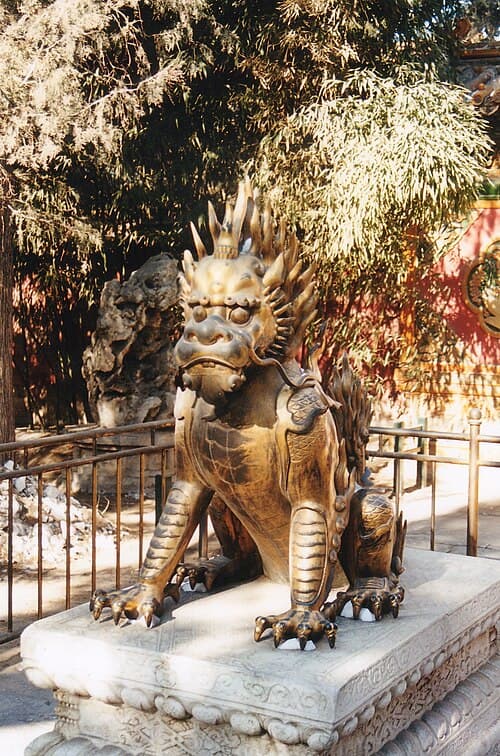
South Korea
The Haetae is Korea's mythological guardian lion that eats fire and prevents disaster, symbolizing justice, protection, and the fierce defense of those under its care.

South Korea
Norigae are exquisite Korean ornamental pendants that adorned the hanbok of aristocratic women, carrying complex auspicious symbols for love, fertility, longevity, and protection.

South Korea
The Korean Dokkaebi is a mischievous but fundamentally good-natured goblin who rewards honesty and punishes greed, serving as both a protective house spirit and a moral guardian.

South Korea
Pujok are Korean shamanistic talismans made from yellow paper with red ink inscriptions, used for protection against evil spirits, illness, and misfortune in homes and on the body.

South Korea
The Rose of Sharon, Korea's national flower, symbolizes the Korean people's resilience, eternal renewal, and the indomitable spirit that blooms continuously despite adversity.

South Korea
The three-legged crow of the sun is an ancient East Asian solar symbol representing the divine energy of achievement, the connection between heaven and earth, and the unstoppable power of solar vitality.

Japan
The origami crane carries Japan's most beloved folk promise: fold one thousand cranes (senbazuru) with a sincere wish and the gods will grant it.

Japan
Omamori are sacred Japanese amulets sold at Shinto shrines and Buddhist temples, offering specific divine blessings for love, safety, success, health, or any of dozens of specialized needs.

Japan
Ema are small wooden votive plaques purchased at Japanese shrines, inscribed with personal wishes, and left hanging at the shrine for the gods to read and fulfill.

Japan
Koinobori — carp-shaped wind streamers — are flown on Children's Day in Japan as a wish for children's strength, perseverance, and the courage to leap over life's obstacles.

Japan
The Japanese folding fan is a symbol of prosperity and good beginnings — its shape, widening from a single point to a broad arc, physically embodies the expansion of fortune from humble origins.

Japan
The rotund raccoon dog of Japanese folklore is a beloved wealth and luck charm associated with money, sake, and the cheerful prosperity of good times shared with others.

Japan
The Tengu's fearsome red mask with its impossibly long nose is a Japanese protective talisman representing the ferocious guardian spirits of mountains and martial wisdom.

Japan
The Inu Hariko is a Japanese papier-mâché dog charm given to pregnant women and newborns for safe delivery and healthy childhood — the loyal dog standing guard over life's most vulnerable moments.

Japan
Traditional Japanese wooden Kokeshi dolls are folk art charms originally carved as offerings to mountain deities, now beloved as symbols of love, friendship, and the warmth of human connection.

Japan
The Uchide no Kozuchi is the legendary magic mallet from Japanese folklore that grants any wish when shaken — the ultimate symbol of abundance conjured from thin air.

Japan
The Sarubobo is the beloved red doll of the Hida-Takayama region — a faceless monkey baby charm given for love, relationship harmony, and the wish that life goes smoothly.
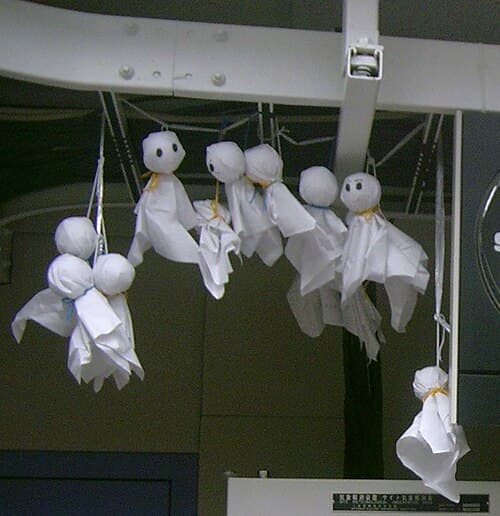
Japan
Teru Teru Bozu are small white cloth ghost-like dolls hung from windows by Japanese children to wish away rain and invite sunshine for the next day's important outdoor event.

Japan
Shisa are Okinawa's beloved lion-dog guardians, placed in pairs on rooftops and gates to ward off evil spirits and protect homes from disaster.

Japan
Miniature torii gate charms carry the sacred threshold energy of Shinto shrine gates — the boundary between ordinary reality and the divine presence they mark.
China / Southeast Asia
Lucky bamboo is the most popular feng shui plant in the world, used in Asian homes and businesses to attract wealth, health, and positive energy through its symbolism of resilience and rapid growth.

China
The peach in Chinese mythology is the fruit of the immortals, ripening once every three thousand years in the garden of the Queen Mother of the West to grant eternal life.
China
The Mystic Knot (Pan Chang Knot) is feng shui's most powerful good fortune symbol — an endless interlaced pattern representing the infinite flow of luck and the interconnection of all blessings.
Mongolia
The Mongolian Eternal Knot (Ulzii) is one of the eight auspicious symbols of Tibetan Buddhism, representing the endless interdependence of all phenomena and the infinite compassion of the Buddha.
China
An ancient Chinese mythological creature, the three-legged toad of the moon is a powerful feng shui wealth symbol believed to attract money and protect against financial loss.
China
The Golden Toad of Chinese folklore is a celestial wealth creature that appears under the full moon on auspicious nights, bringing extreme financial luck to those fortunate enough to witness it.
Vietnam
The mythical Long Quy combines the turtle's longevity with the dragon's power, symbolizing wisdom, strength, and enduring fortune.
Vietnam
The beckoning cat figure adopted into Vietnamese commerce culture attracts customers and wealth to businesses throughout Vietnam.

Vietnam
The kumquat tree loaded with golden fruit is Vietnam's quintessential symbol of Tet prosperity, representing the gold that the new year will bring.

Cambodia
The multi-headed serpent deity Naga guards Angkor Wat and represents the cosmic bridge between the human and divine worlds.
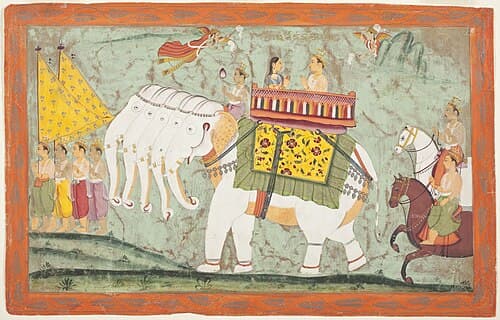
Thailand
The divine three-headed elephant Erawan serves as the mount of Indra and a supreme symbol of royal power and cosmic protection.
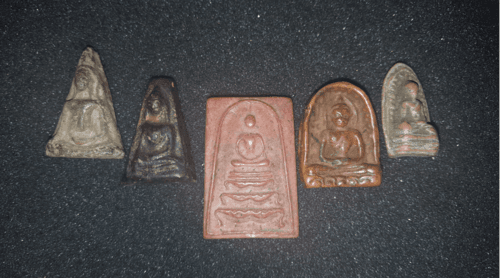
Thailand
Consecrated Buddha image amulets are Thailand's most serious sacred collectibles — worn for protection, luck, and spiritual merit.

Thailand
A miniature dwelling placed outside Thai homes and businesses to house the property's protective spirit and maintain good relations with the spirit world.
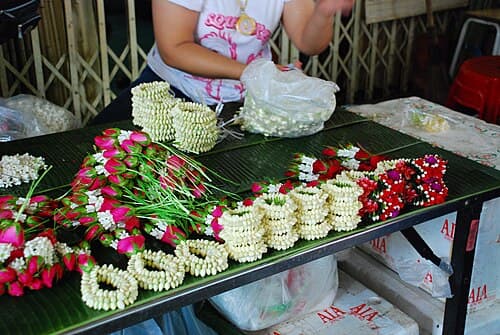
Thailand
Elaborately knotted flower garlands offered at Thai shrines and given as gifts of blessing and respect.

Thailand
Thailand's goddess of prosperity and good fortune, Nang Kwak beckons customers and wealth with her raised right hand.
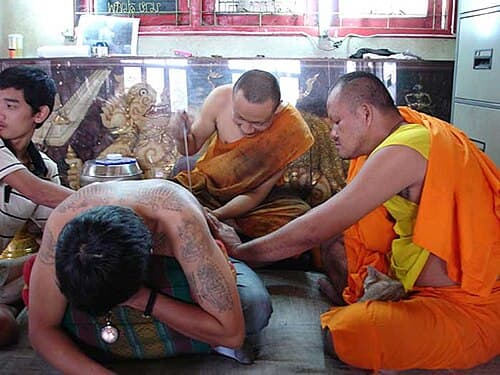
Thailand
Sacred geometric tattoos blessed by monks carry the power of the inscribed formulas directly on the body as permanent living talismans.

Thailand
A sacred phallic amulet from Thailand believed to provide extraordinary luck, sexual power, and protection from harm.

Thailand
The four-faced Brahma deity is Thailand's most widely venerated Hindu god, granting wishes to all who pray with sincere hearts.
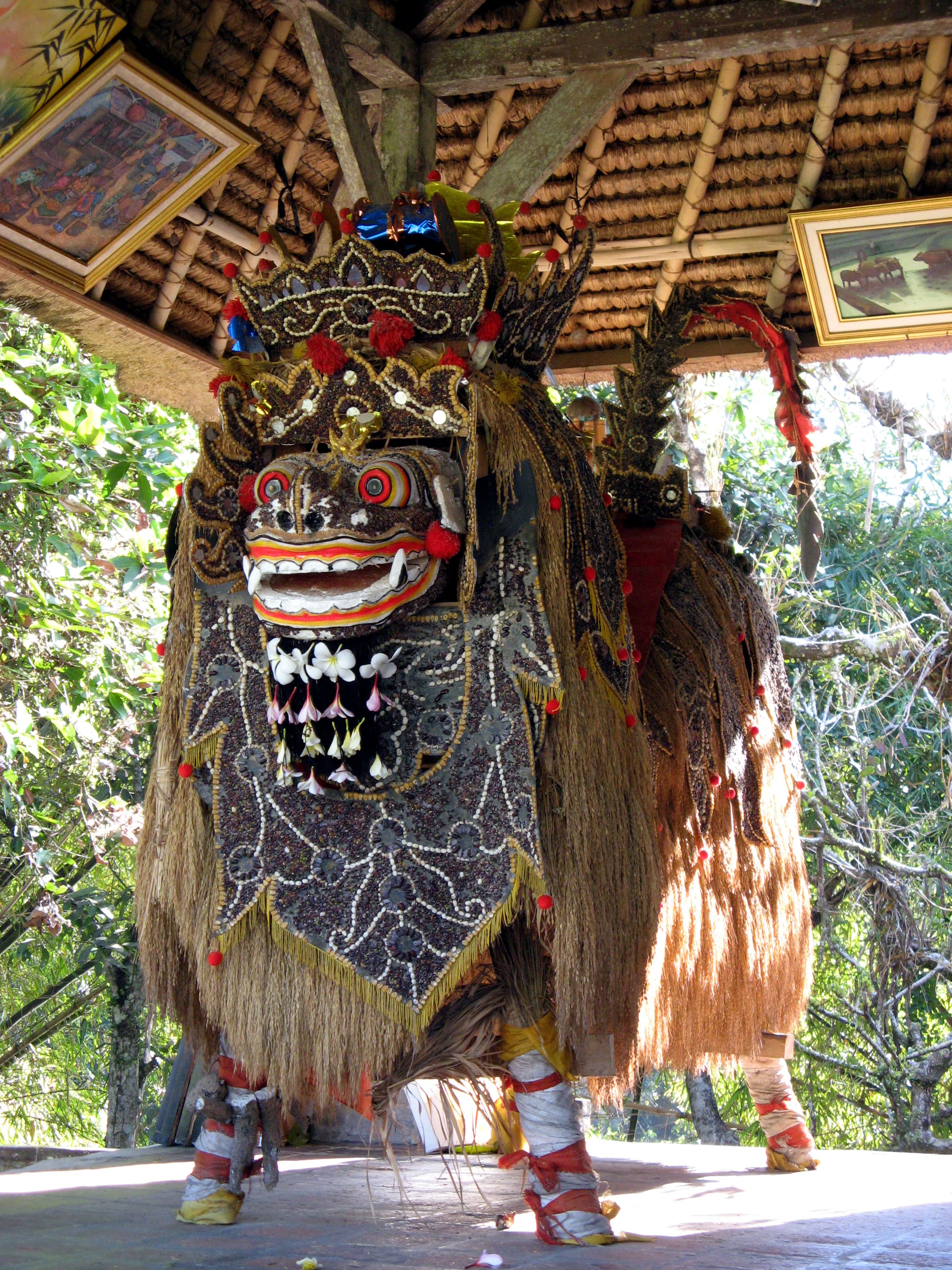
Indonesia
The lion-like protective deity Barong leads a cosmic battle against evil and chaos, represented in Bali's most sacred ritual dance.

Indonesia
The sacred wavy-bladed dagger of Java is both a masterwork of metallurgy and a living talisman possessing its own spirit and destiny.

Indonesia
Sacred textile patterns encoded with Javanese cosmology, batik is both high art and living magical script worn on the body.

Malaysia
The Wau is a traditional Malaysian giant kite whose soaring flight represents aspirations, spirituality, and the connection between earth and heaven.
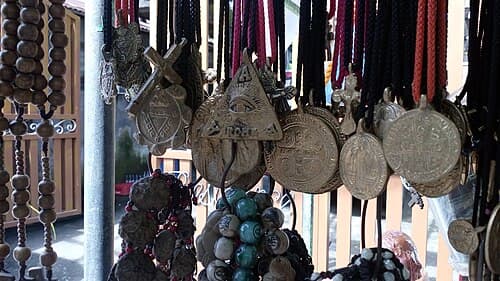
Philippines
The mystical amulet of the Philippines provides supernatural protection and power, combining indigenous animism with Catholic imagery.
Middle East / North Africa
The sacred number five made physical — a numeral-shaped amulet protecting against the five-fingered evil eye.

Iran
The magnificent mythical bird of Persian legend, a creature of wisdom, healing, and the unity of all knowledge.

Iran
The winged divine figure of Zoroastrian Iran, symbol of good thoughts, good words, and good deeds.
Iran
The ancient Persian eye charm — cheshm nazar — protecting against envy with the same blue eye tradition spanning from Iran to Greece.
Iran
The sky-blue gemstone mined in Iran for 5,000 years, believed to protect against the evil eye and bring victory in battle.
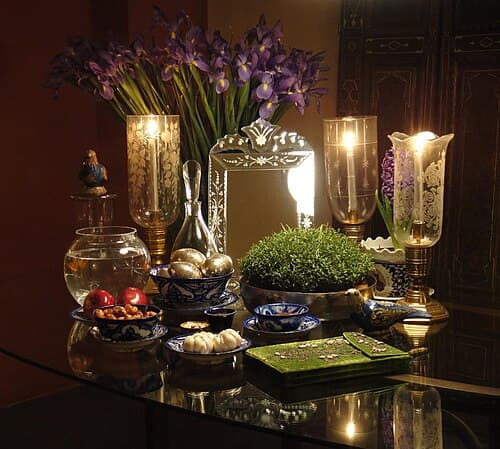
Iran
The seven-S Nowruz table — Iran's ancient New Year blessing ritual arranging seven symbolic items to invite spring's full abundance.
Iran
A miniature of the Persian New Year's sacred table of seven symbolic items, inviting abundance and renewal.

Saudi Arabia / UAE / Qatar / Kuwait
The iconic long-spouted Arabic coffee pot, a symbol of Gulf hospitality, generosity, and the sacred social ritual of coffee.

UAE / Saudi Arabia / Qatar
The sacred hunting bird of the Arabian Peninsula, a symbol of power, precision, and the noble Bedouin tradition of falconry.

Saudi Arabia / UAE
The world's oldest and most beautiful horse breed, a Bedouin symbol of loyalty, speed, and noble spirit.
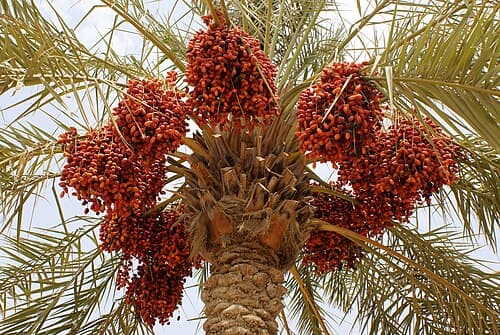
Middle East
The tree of life of the desert, symbol of abundance in arid lands and the most generous of all Arabic trees.

Israel
Crystallized salt from the world's saltiest sea, carried for its healing, purifying, and protective mineral power.

Turkey
The iconic Iznik ceramic tile with flowing tulip design — a masterpiece of Ottoman decorative art that brings divine beauty into any space.
Turkey
The open hand of protection in Turkish Iznik ceramic tradition — a symbol crossing Islamic, Jewish, and Christian blessing.
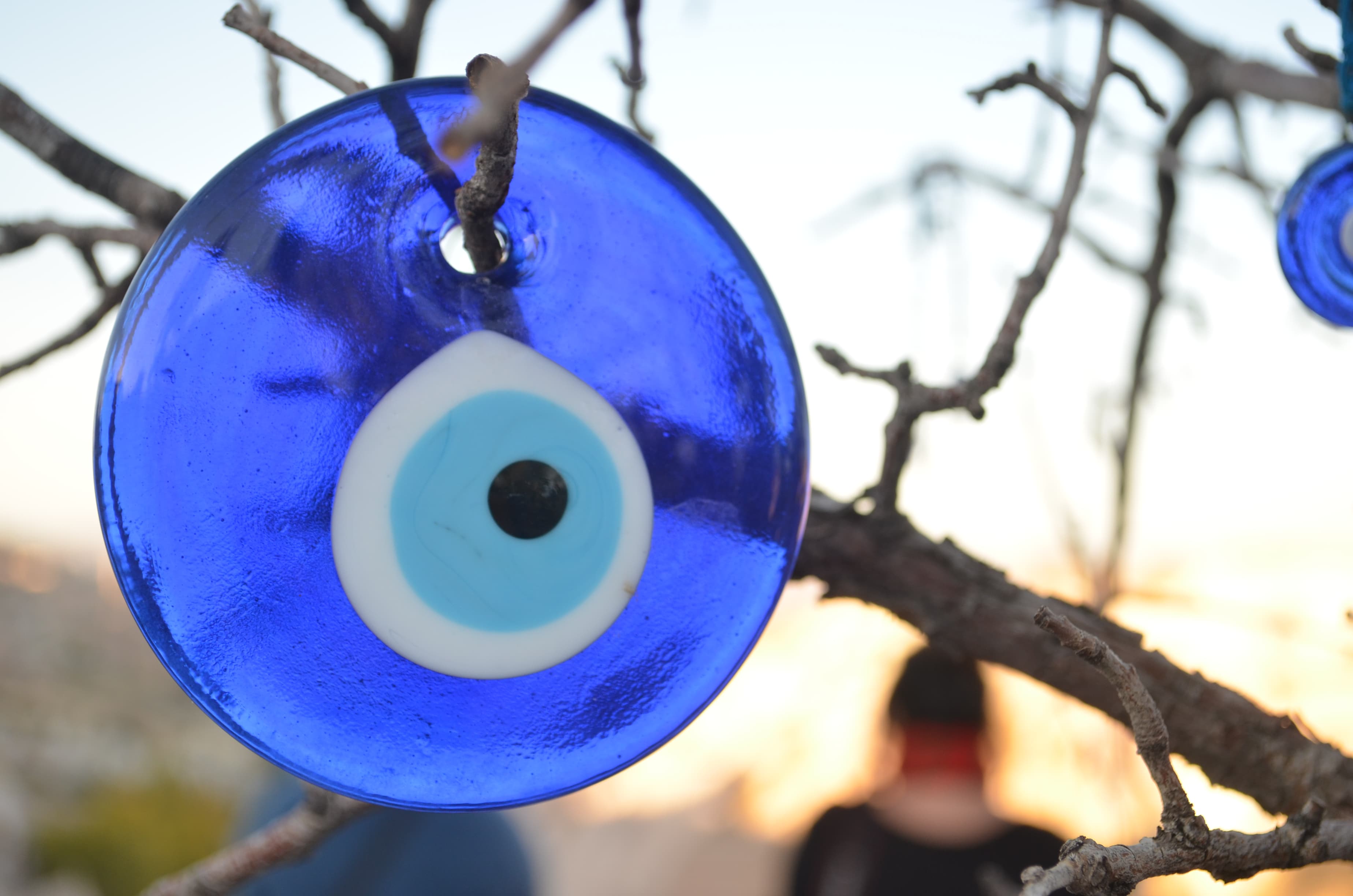
Turkey
Branches hung with hundreds of nazar beads — Turkey's most spectacular evil eye installation protecting community spaces.

Turkey
The Sufi mystic in white who spins to merge with the divine — a symbol of spiritual elevation and love's transformative power.

Turkey
The Ottoman empire's sacred flower — the tulip that conquered Europe — symbol of divine beauty and perfect love.

Middle East
The crescent moon and star, a symbol of Islamic faith found on mosques, flags, and protective amulets across the Muslim world.

Middle East
Thirty-three or ninety-nine beads used to count the ninety-nine names of Allah and cultivate mindful devotion.

Jordan
A miniature of Jordan's extraordinary Byzantine and Islamic mosaic tradition, carrying patterns of earth, life, and divine beauty.
Spain
The blue glass eye that Spain adopted from the Mediterranean to ward off envy.

Lebanon
The magnificent cedar tree of Lebanon, symbol of national pride, strength, and the divine groves that once covered the mountain.

Syria
The fragrant white flower of Damascus, symbol of Syria's ancient beauty and the resilient soul of its people.
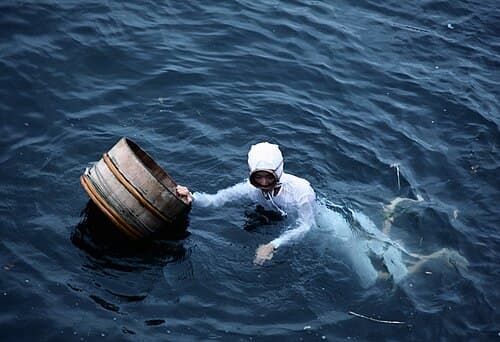
Bahrain
A natural pearl from the world's oldest pearl fishing grounds, symbol of Gulf Arab heritage before the age of oil.

UAE
A gold coin charm honoring the UAE's transformation from pearl-diving desert nation to global economic powerhouse.

Kuwait
A traditional Arabian sailing vessel, symbol of Kuwait's seafaring heritage of pearl diving, trade, and maritime courage.
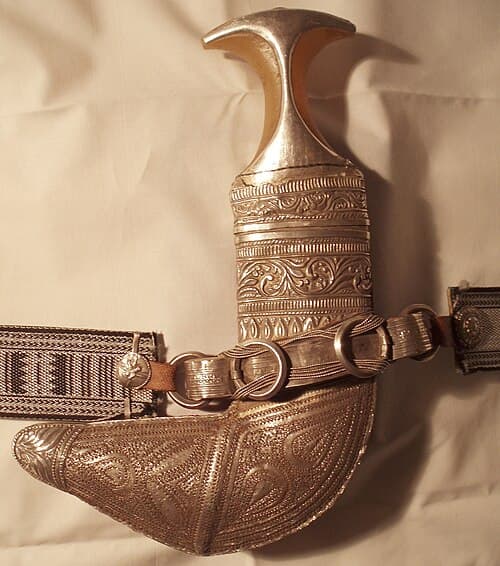
Oman
The curved ceremonial dagger of Oman, so central to national identity it appears on the national emblem.

Qatar
The Arabian oryx, Qatar's national animal, a symbol of resilience — extinct in the wild and brought back through conservation.
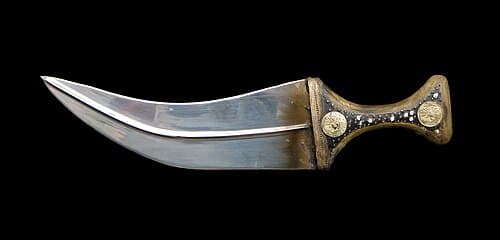
Yemen
The curved ceremonial dagger of Yemen, worn by men as a symbol of honor, manhood, and tribal identity.
Iraq
A symbol of ancient Mesopotamian abundance — Iraq once had 30 million date palms and was the world's largest date exporter.

Morocco
The eight-pointed star of Moroccan Islamic art, a geometric symbol of cosmic harmony and divine order.

Morocco
A miniature of the iconic conical Moroccan cooking pot, symbolizing abundance, hospitality, and the warmth of home.

Morocco / Algeria / Tunisia
Ancient Amazigh cloak pin loaded with symbolic protective geometry, silver power, and tribal identity.
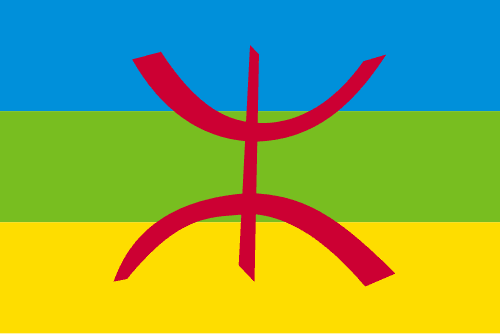
Morocco / Algeria / Tunisia
Ancient Amazigh geometric cross amulets carried for protection and tribal identity across North Africa's indigenous people.

North / West Africa
Ancient geometric symbols woven into Berber carpets — each pattern a protective charm and map of the weaver's world.

Tunisia
The lucky Tunisian fish amulet, a pre-Islamic fertility and abundance symbol still widely used across the country.
Tunisia
A brass door knocker shaped as the Hand of Fatima, protecting Tunisian homes at the threshold between public and private worlds.

Algeria
The desert fox with enormous ears, Algeria's beloved national symbol of cunning, adaptability, and Saharan resilience.
Libya
A Libyan crescent and star amulet honoring the country's Islamic heritage and the North African moon symbolism tradition.

Egypt
The royal Egyptian oval frame that encircles and protects sacred names with eternal power.

Egypt
The world's first synthetic material, created by ancient Egyptians to produce the color of heaven on earth.
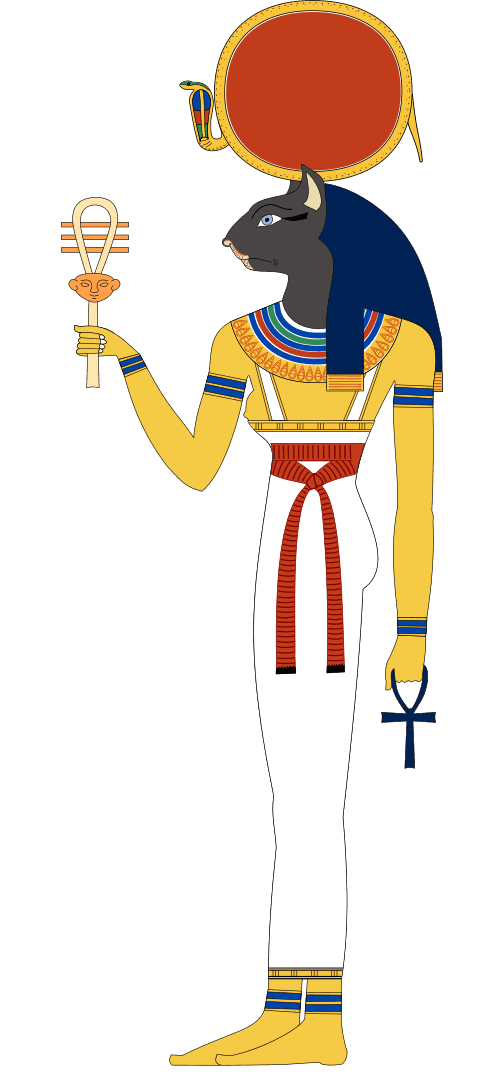
Egypt
A sacred cat amulet embodying the goddess Bastet's protective warmth, fertility, and fierce maternal love.

Egypt
A miniature of humanity's greatest monuments, channeling ancient energy of achievement and cosmic alignment.
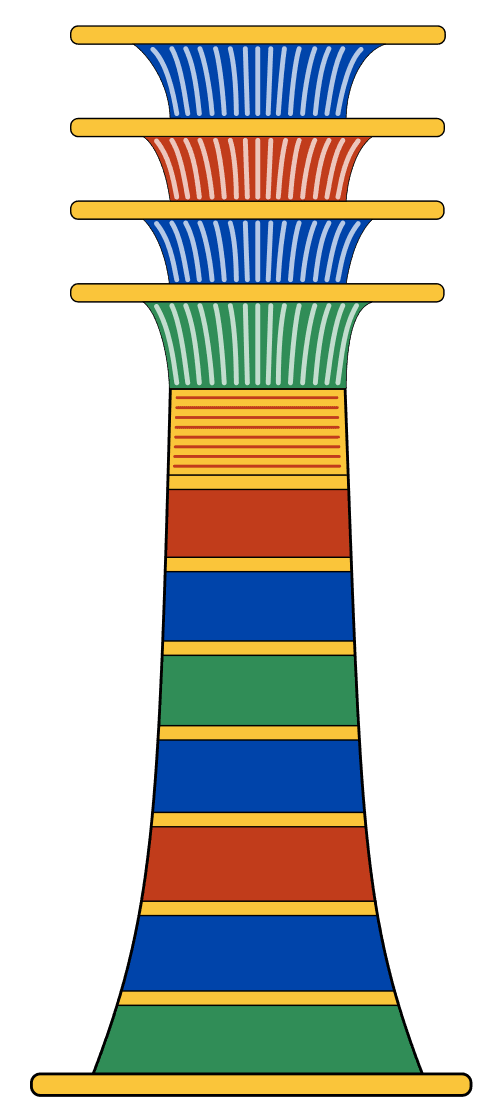
Egypt
The ancient Egyptian symbol of stability, endurance, and the spine of the god Osiris.

Egypt
A miniature guardian of Egypt's greatest mystery, offering wisdom, protection, and the courage to face the unknown.

Egypt
The complete, restored eye of Horus — a supreme amulet of wholeness, protection, and divine sight.
Italy
The sacred Egyptian dung beetle that spread through the Mediterranean as a universal luck charm.

Uganda / Rwanda
The magnificent horn of the Ankole-Watusi cattle — a living symbol of wealth, prestige, and pastoral abundance.

West Africa
Ancient African currency and fertility symbol used across the continent for centuries.
India
The world's first widely used currency, cowrie shells have been symbols of wealth, fertility, and divine feminine power across Asia for millennia.

West Africa
A potent consecrated charm from West African spiritual traditions, carrying supernatural protective or activating power.

West Africa / African Diaspora
The iconic West African-derived charm bag of the African diaspora, filled with herbs, stones, and intentions.
African American South
The African American folk magic charm bag — a personal power object containing curios, herbs, and concentrated intention.

Benin / Haiti / West Africa
Misunderstood figure from Vodou tradition — primarily a vessel for healing and protective spiritual work.

Brazil (from Yoruba tradition)
Sacred beaded necklaces (elekes) specific to each Orixá deity in the Afro-Brazilian Candomblé tradition, worn by initiates as signs of divine protection.
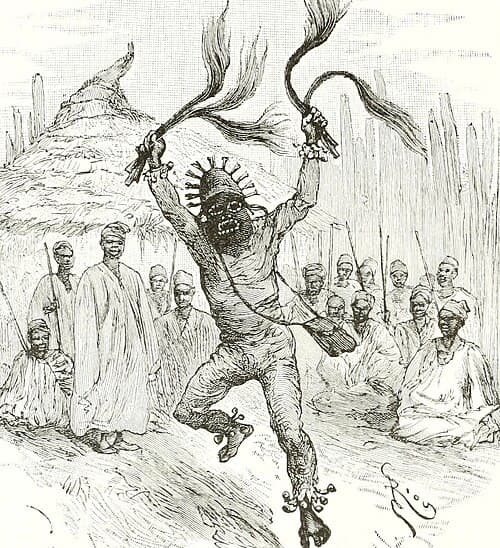
Haiti (Haitian Vodou tradition)
Sacred geometric symbols drawn in cornmeal or flour to invoke specific Lwa (spirits) in Haitian Vodou ceremonies.
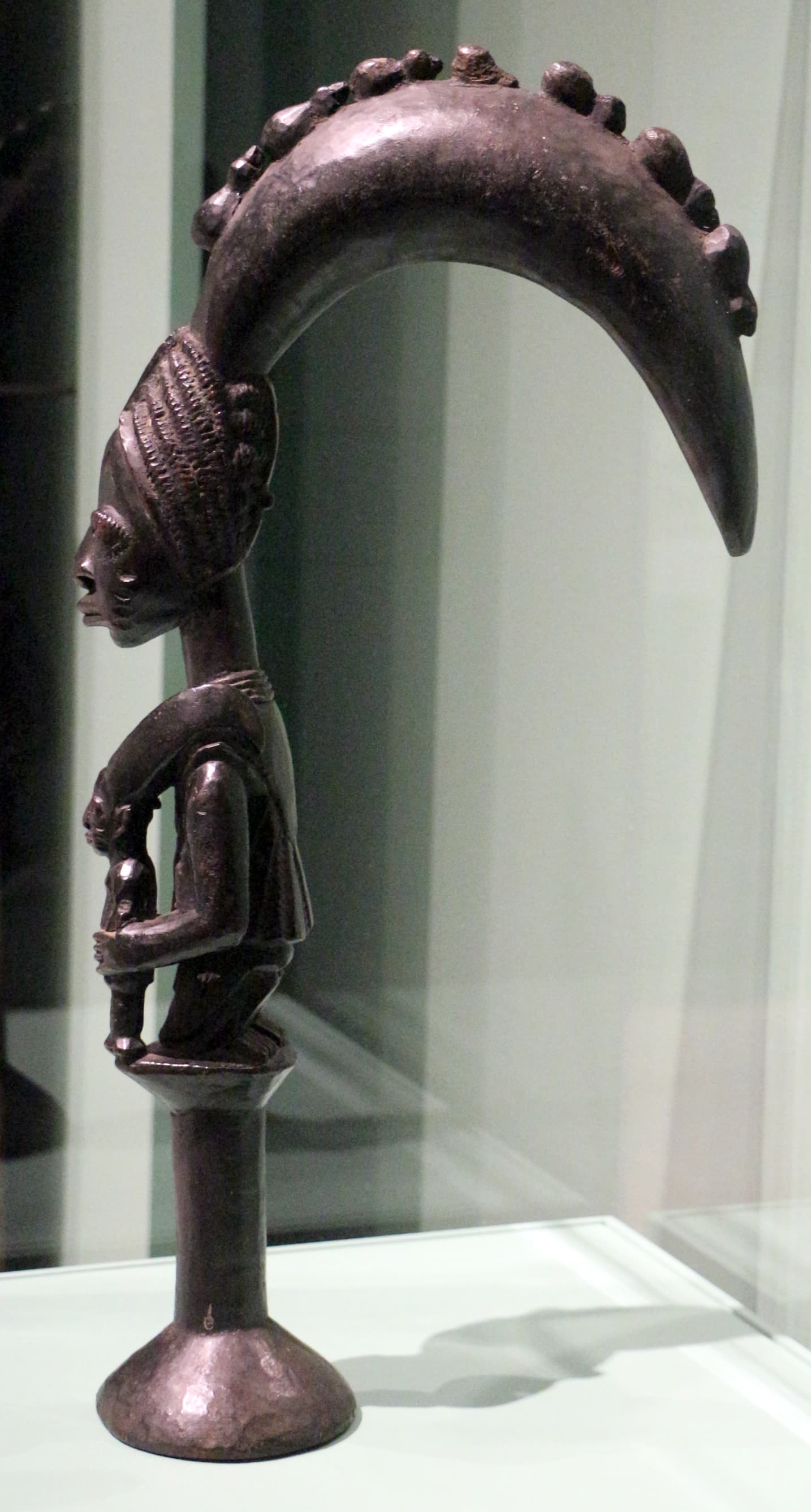
Cuba (Santería / Lucumí / Candomblé tradition, from Yoruba origin)
The Orisha of crossroads, doors, and beginnings in Cuban Santería — the trickster guardian who must be honored first in all ceremonies.

Nigeria
Consecrated charm aligned with a specific Yoruba orisha, channeling divine power for the wearer's protection and purpose.
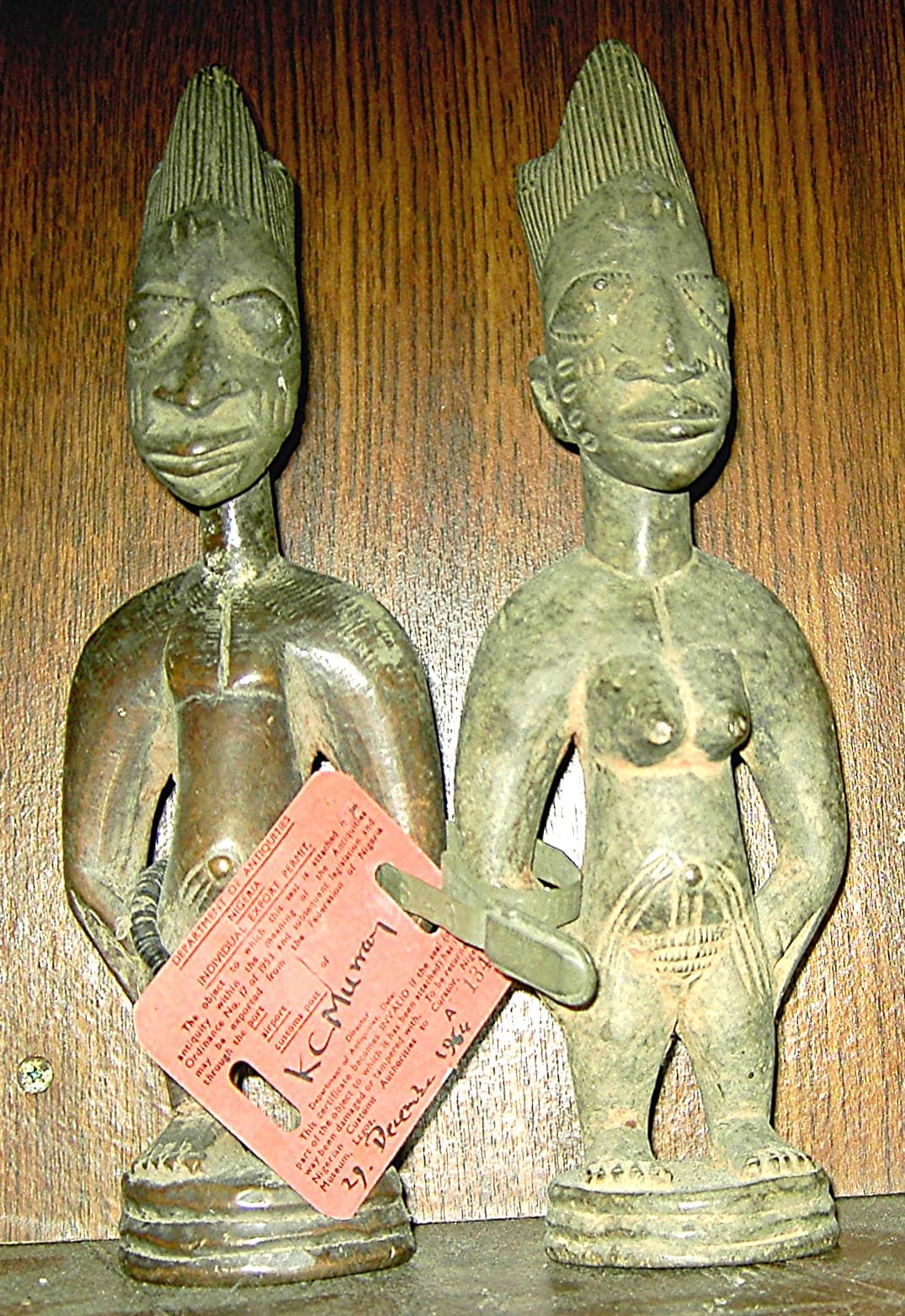
Nigeria
Sacred twin figure used to house the spirit of a deceased twin, ensuring the family's continued blessing.

Nigeria
Horned Igbo personal shrine figure representing the right hand of achievement and personal destiny.

Ghana
Miniature brass figures used to weigh gold dust — encoding Akan proverbs and wisdom in tiny sculptural form.

Ghana
Symbol of the Ashanti Empire's sacred Golden Stool — repository of the nation's soul and ultimate emblem of royal power.

Ghana
The supreme Akan symbol meaning 'Except for God' — a declaration of divine supremacy and protection.

Ghana
The Akan symbol of a bird looking backward — representing wisdom in learning from the past to build the future.
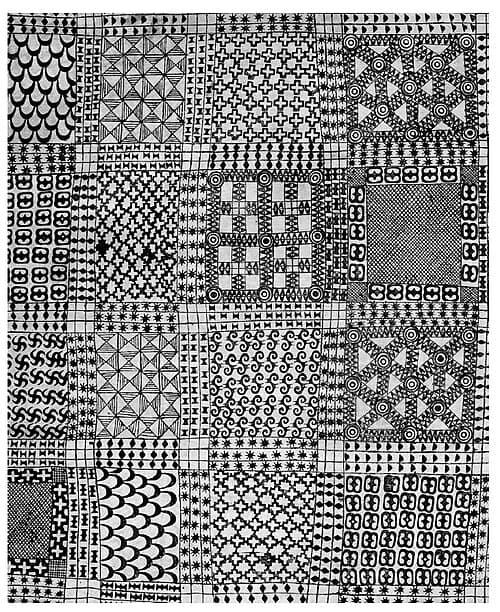
Ghana
Ram's horns Adinkra symbol representing the balance of strength and humility.
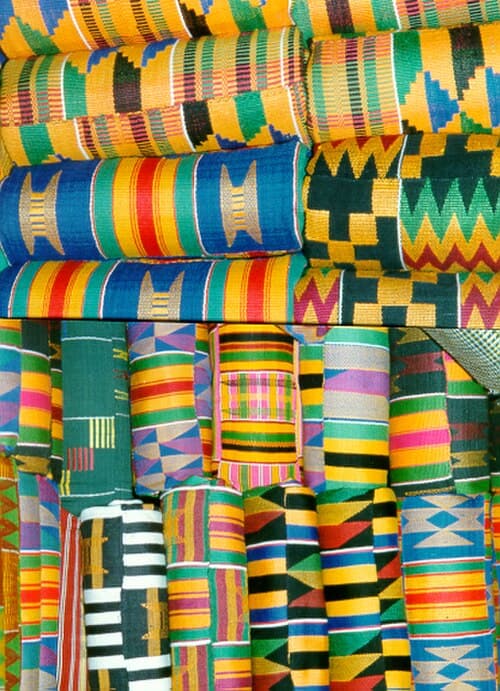
Ghana
Woven silk and cotton fabric of the Akan whose patterns encode proverbs, royal achievements, and ancestral pride.

Sub-Saharan Africa
Ceremonial mask used across Africa to embody spirits, invoke divine forces, and transform the masked dancer into a sacred intermediary.
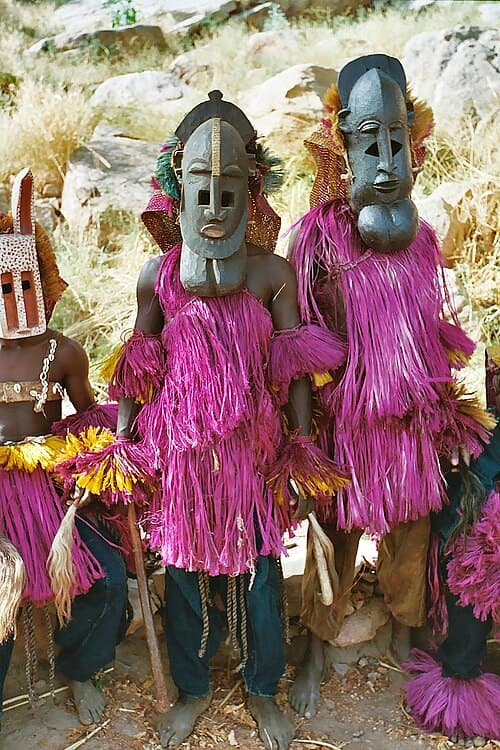
Mali
The cross-shaped Dogon mask used in Dama funeral ceremonies to guide the souls of the dead to their resting place.

Ivory Coast
The hornbill-based sacred bird figure of the Senufo people — symbol of the first living being and the power of Poro initiation.

Congo
Kongo power figure bristling with nails that activate its protective power and bind agreements between parties.
Congo
Nkisi spirit figure from the Kongo tradition — a vessel of concentrated spiritual power for healing and protection.
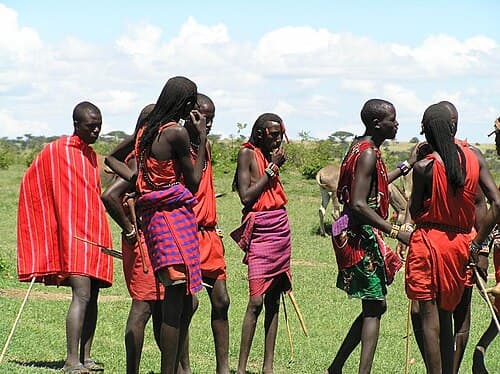
Kenya / Tanzania
Iconic beaded collar worn by Maasai women, encoding social status, clan identity, and spiritual protection.
Kenya
Distinctive painted Maasai warrior shield that protects against physical and spiritual harm.

East and Southern Africa
Ancient fertility and abundance symbol used since the Stone Age as a container, ornament, and sacred offering.

Rwanda
Rwanda's ancient geometric art form made from cow dung — a unique and sophisticated visual tradition of extraordinary beauty.

Uganda
UNESCO-listed Ugandan bark cloth — an extraordinary material made from fig tree bark used for royal ceremonies and everyday life.

Tanzania
Bright, narrative East African art form celebrating animals and Tanzanian life — carrying joy and the power of beauty.

Central and West Africa
Carved ivory talisman historically embodying royal power, ancestral memory, and the strength of the elephant.

Sub-Saharan Africa
The 'Tree of Life' of Africa — ancient, life-sustaining, and filled with the memory of generations.

Botswana
The zebra — Botswana's national animal — representing balance, individuality within community, and the beauty of the African savanna.

Namibia
The ancient living fossil plant of the Namib Desert — symbol of extreme survival and the endurance of life against all odds.

South Africa
National flower of South Africa and symbol of resilience, diversity, and the beauty that grows from harsh conditions.

South Africa
Xhosa beadwork encoding clan identity and life stage — worn at key transitions and milestones.
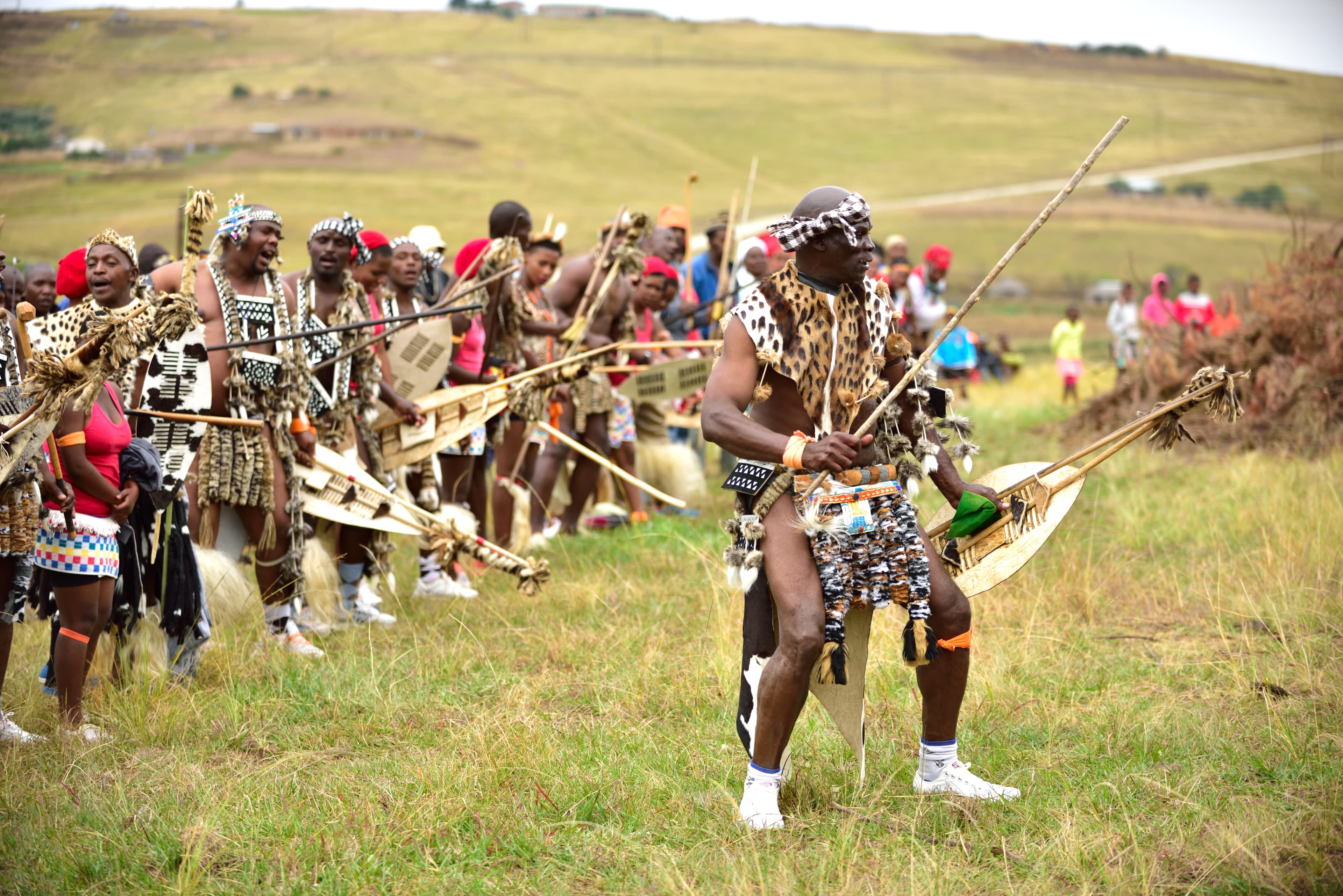
South Africa
Beaded communication from Zulu culture where colors and patterns encode messages of love and longing.

South Africa
The cowhide shield of Zulu warriors — a regimental identity marker and protective spiritual object.

Eswatini
The cowhide warrior shield of Eswatini's umchwasho regiment — worn at the Incwala and Umhlanga ceremonies.

South Africa / Zimbabwe
Fertility doll adorned with colorful geometric Ndebele beadwork, used in coming-of-age and marriage ceremonies.
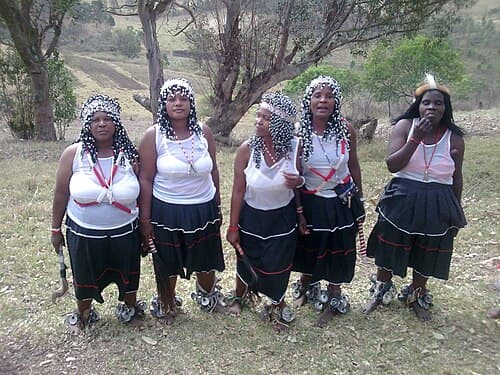
Southern Africa
The sacred divination set of the sangoma healer — bones, shells, and objects that reveal hidden truths.

Southern Africa
Traditional Southern African medicine pouch containing protective and healing herbs and sacred substances.

Ethiopia
Sacred bean from its homeland — Ethiopia — representing abundance, community, and the gift Ethiopia gave to the world.

Ethiopia
Intricately designed Ethiopian Orthodox cross — one of the oldest Christian symbols in the world, worn for divine protection.
Nigeria
Sacred red coral beads of Nigerian royalty — symbols of divine right to rule and vessels of oba power.
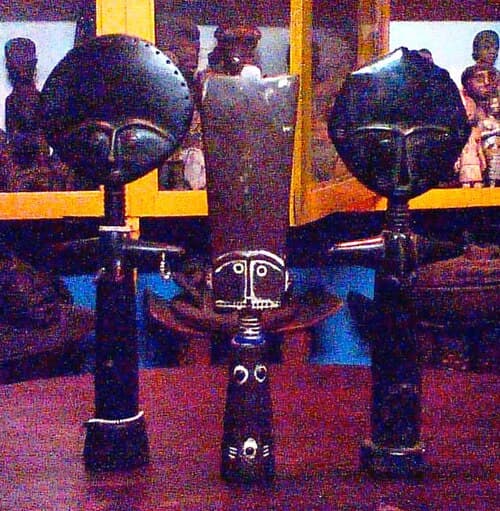
Ghana
The iconic Akan wooden fertility doll — carried by women hoping for children and by pregnant women blessing their unborn.
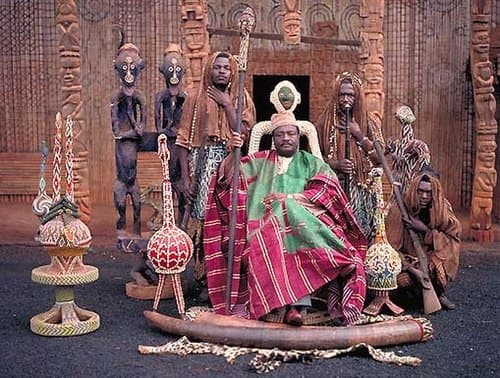
Cameroon
The distinctive royal mask of the Cameroon Grasslands kingdoms — worn only by royalty and their chosen societies.

Liberia
The powerful Poro society mask of the Dan and related peoples — used for social justice, healing, and initiation.

Sierra Leone
Ancient carved stone figure of unknown origin found throughout Sierra Leone — used as rice fertility charms.

West Africa
The sacred West African drum whose voice calls community together, invites healing, and speaks to the spirits.
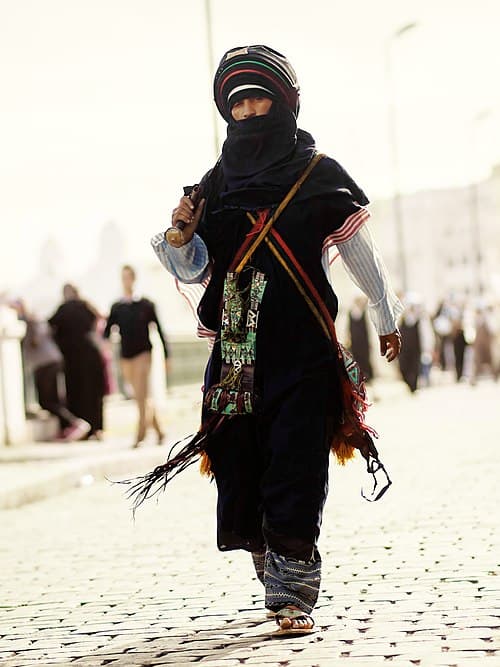
Mali / Niger
Handcrafted silver jewelry of the Tuareg nomads — beautiful protective amulets encoding desert survival wisdom.
Algeria / Mali / Niger
A sacred Saharan cross amulet, each regional variant representing a different oasis city and offering directional protection to desert travelers.

Nigeria
Masterpiece of African metalwork from the Benin Kingdom — recording royal history in cast bronze with extraordinary skill.
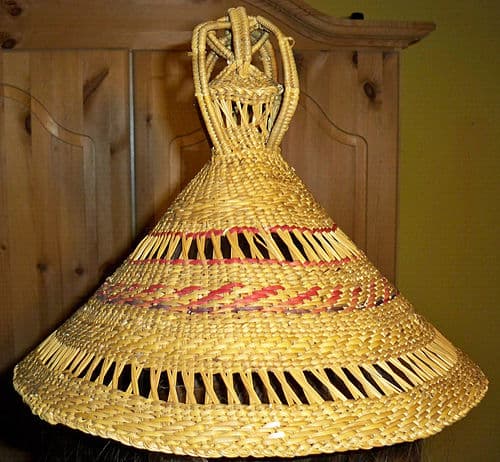
Lesotho
The iconic conical woven hat of Lesotho — national symbol of the mountain kingdom and its people.

Zambia
The African Fish Eagle of Zambia — supreme symbol of freedom, clear vision, and leadership above the ordinary.
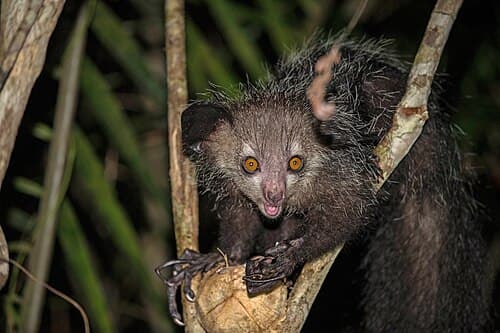
Madagascar
Paradoxical charm based on the feared and revered aye-aye — Madagascar's uncanny omen creature.

Madagascar
Sacred horn of Madagascar's zebu cattle — the centerpiece of Malagasy spiritual life and the ultimate symbol of ancestral wealth.

Fiji
The sacred sperm whale tooth of Fiji, the most spiritually powerful charm of the Pacific, offered only at life's most sacred moments.

Samoa
Sacred bark cloth of Samoa, woven with geometric power, carried as a charm of identity, community, and the enduring fabric of culture.
Tonga
Tonga's sacred bark cloth, bearing ancient geometric wisdom, carried as a charm of royal heritage, enduring tradition, and communal identity.

Papua New Guinea
The spectacular plume bird of Papua New Guinea, carried as a charm of extraordinary achievement, natural glory, and the rewards of authentic self-display.

Australia
A miniature of the world's oldest wind instrument, used as a charm for healing vibration, breath, and deep inner harmony.

Australia
A sacred art form encoding Dreamtime stories and ancestral wisdom as a talisman of connection and guidance.
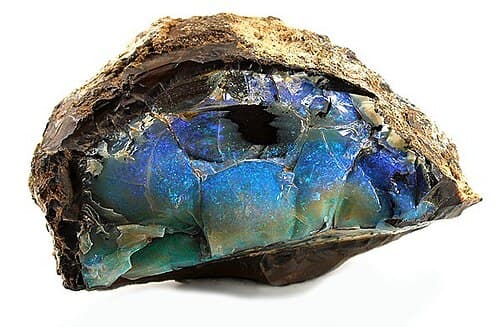
Australia
The rainbow-fire gemstone of the Australian outback, worn as a charm for creativity, spontaneity, and the full spectrum of possibility.

Australia
Australia's golden national flower, carried as a charm for joy, new beginnings, and the warmth of optimism in dark seasons.

Australia
Australia's iconic floral emblem, carried as a charm for resilience, unique identity, and the courage to stand tall.

Australia
The paradoxical mammal of the Eastern Australian streams, carried as a charm for embracing contradiction and defying conventional expectations.
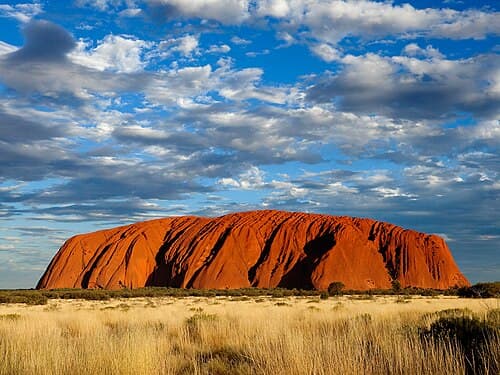
Australia
A sacred sandstone pebble from Australia's spiritual heartland, carried as a charm of grounding, ancestral power, and transformation.

Haida Nation, Pacific Northwest Coast
The trickster creator figure of Haida mythology whose cunning brought light, salmon, and all of civilization to the world.
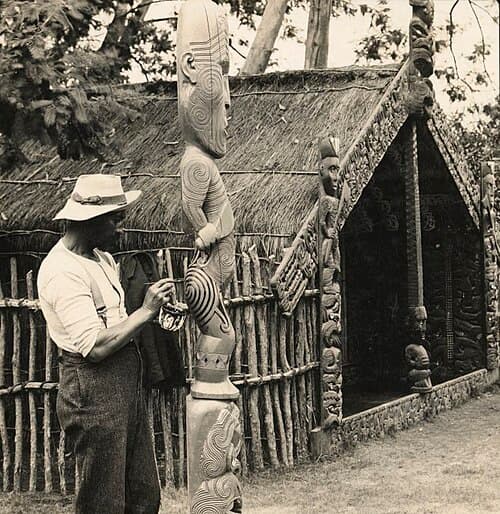
United States
The powerful carved deity figures of Hawaii, carried as charms of divine protection, good fortune, and the blessings of the Hawaiian gods.

United States
The polished nut lei of Hawaiʻi's sacred state tree, worn as a charm of enlightenment, protection, and the warmth of Hawaiian hospitality.

United States
The fragrant lei flower of Hawaii, worn as a charm of love, beauty, positivity, and the generous spirit of aloha.

Mexico (Aztec/Mexica civilization)
A replica of the great Mexica calendar stone, representing cosmic time, solar power, and the cyclical nature of all creation.

Mexico (Aztec/Toltec civilization)
A symbol of the feathered serpent deity — the union of earthly and divine, wisdom and power, sky and earth — one of Mesoamerica's greatest spiritual concepts.
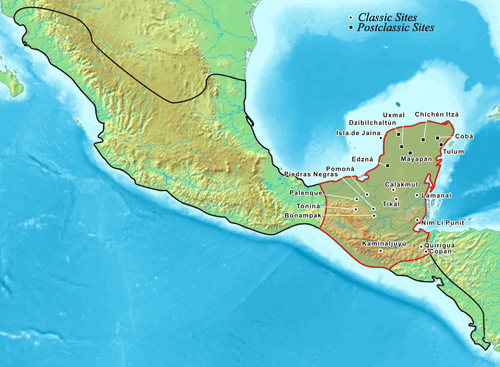
Guatemala and Mexico (Maya civilization)
The sacred green stone of Maya royalty, associated with immortality, royal power, and the life-giving force of the maize god.

Guatemala (Motagua Valley)
The true jadite of the ancient Maya, rediscovered in Guatemala's Motagua Valley and worn today as connection to royal ancestral power.

Peru (Chimú and Inca civilization)
The iconic ceremonial sacrificial knife of ancient Andean civilization, now a symbol of Peruvian identity and good fortune.

Peru (Andean civilizations)
The stepped cross of the Andes representing the cosmic order of Andean cosmology — the three worlds of the Pachamama universe.

Peru (Pucará, Puno region)
Brightly painted ceramic bulls from the Puno altiplano region — Peru's most widely displayed home luck charm for prosperity and family protection.
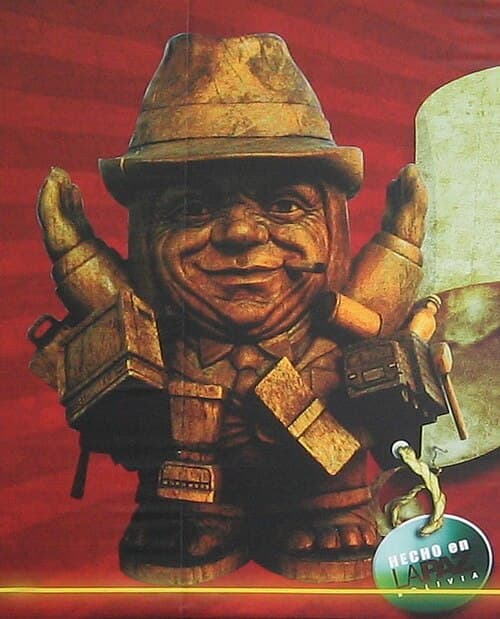
Bolivia (Tiwanaku civilization and Aymara people)
The rotund, cheerful Aymara deity of abundance — a small figure loaded with miniature goods that grant their real-world equivalents to devoted owners.

Peru, Bolivia (Inca civilization)
A miniature llama representing the sacred Andean animal that built an empire — carrier of burdens, provider of wool and meat, and beloved companion of Andean peoples.
Argentina (Pampas region)
The iconic facón of the Argentine gaucho — a large sheath knife symbolizing autonomy, courage, and the free life of the Pampas horseman.

Brazil (Bahia state, Salvador)
A colorful ribbon from the Igreja do Senhor do Bonfim in Salvador, tied around the wrist with three knots while making wishes that will be granted when the ribbon wears through.

Brazil (from Portuguese tradition, with African Candomblé influence)
A carved fist with thumb tucked between fingers — Brazil's most beloved protective amulet against the evil eye and negative energy.

Brazil (Umbanda and Quimbanda tradition)
The powerful feminine spirit of Umbanda associated with love, sexuality, crossroads, and the protection of women — a uniquely Brazilian spiritual entity.

Mexico
A charm honoring the prickly pear cactus that sits at the heart of the Mexican national symbol — resilience, nourishment, and flourishing in harsh conditions.

Mexico
The flower of the dead — cempasúchil — whose brilliant orange blooms guide departed souls home during Día de los Muertos.

Dominican Republic
A ceramic doll with no facial features representing the multiracial, multicultural identity of the Dominican people — where no one face defines the whole.

Puerto Rico (Ponce and Loíza)
The magnificent multi-horned papier-mâché mask of Puerto Rican Carnival tradition — a figure who chases away evil while embodying the island's joyful, syncretic spirit.

Trinidad and Tobago
The spectacular mas' costume and mask of Trinidad's Carnival — the greatest show on earth, where transformation is both art and liberation.

Guyana (Indigenous Amerindian communities)
A jaguar tooth or claw worn as a protective amulet by Indigenous peoples of the Amazonian interior — the supreme predator's power worn on the human body.

Venezuela (Corpus Christi tradition, UNESCO heritage)
The fearsome papier-mâché devil mask of Venezuela's Corpus Christi celebrations — a syncretism of Catholic and African traditions that transforms the devil into a dancer praising God.
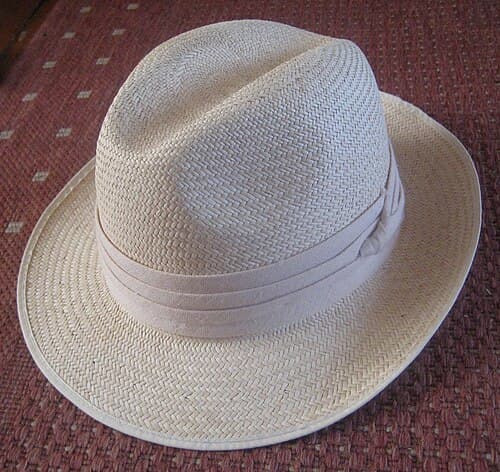
Ecuador (Montecristi and Cuenca)
The world's finest straw hat — technically Ecuadorian, famously misnamed — a symbol of artisan excellence, trade's global reach, and working with grace under tropical sun.

Colombia
A golden charm invoking the legendary abundance of El Dorado — the golden kingdom that symbolizes the ultimate state of material and spiritual wealth.

Colombia (Muisca and other pre-Columbian civilizations)
The sacred gold-copper alloy of Colombia's pre-Columbian peoples — the metal behind the El Dorado legend and some of the most extraordinary goldwork in world history.

Chile
Chile's national flower — a rare hanging bell-shaped blossom of the Andes forests associated with love, Chilean identity, and the wild beauty of the southern Pacific coast.

Guatemala and Mexico (Maya and other Mesoamerican peoples)
A small woven piece of the sacred textile tradition that encodes Maya cosmology, community identity, and ancestral knowledge in every thread.

Huichol people, Mexico
A cross-shaped weaving of yarn on two sticks, representing the protective eye of the divine watching over and guarding the home.

Chile / Northern Africa
The rain stick is a ceremonial percussion instrument and lucky charm from indigenous traditions of South America and Africa, used to invoke rain, honor water, and invite the blessings of abundance and renewal.
Mexico and Philippines (via Spanish colonial tradition)
A figure of the Christ Child dressed in royal garments, venerated as a worker of miracles especially for children and the sick.

Sweden
The hand-painted red wooden horse of Dalarna, Sweden's most beloved folk art symbol.

Austria
The rare Alpine flower that signals courage, purity, and devotion to those who seek it.
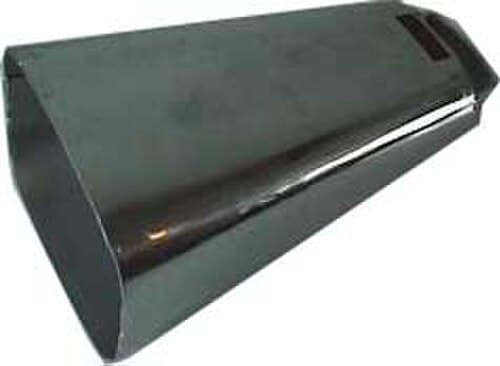
Switzerland
The resonant Alpine bell that calls home the herd and welcomes good fortune.

Netherlands
The klompen that kept Dutch feet dry for centuries and now serve as icons of good fortune.

France
The stylised lily of French royalty, emblem of divine favour and noble aspiration.

France
The Gallic rooster, symbol of French pride and the courage to greet each new dawn.

France
The lily of the valley given on May Day as France's most beloved luck gift.

Portugal
The blue and white glazed tile that tells Portugal's story in ceramic fragments of beauty.

Portugal
The black rooster of Barcelos that rose from the dead to prove an innocent man's truth.

Portugal
The silver fish of Lisbon's festivals, symbol of abundance and the joyful life of the sea.

Spain
The proud bull of Spain, emblem of strength, passion, and the courage to face life head-on.
Italy
The bold red horn displayed in Italian homes as the guardian against envious eyes.

Italy
The overflowing horn of plenty, symbol of inexhaustible abundance.
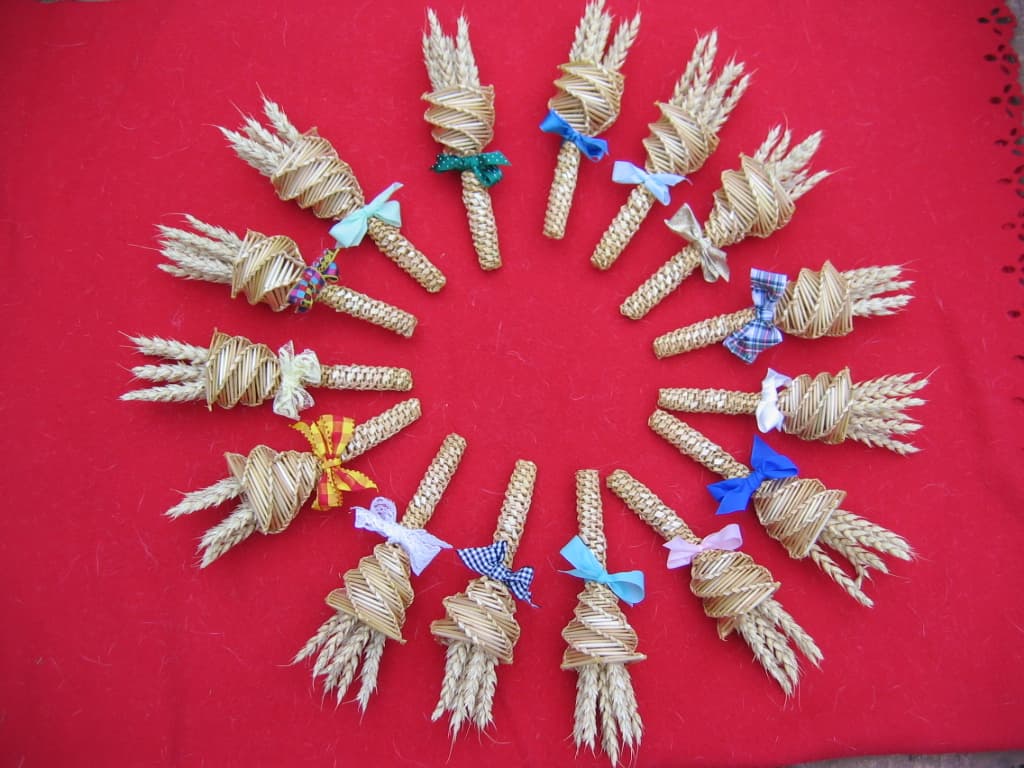
United Kingdom
The woven straw figure that captures the harvest spirit and releases it for next year's crop.

United Kingdom
The tiny seed of the mighty oak, carried for slow-growing but lasting luck.
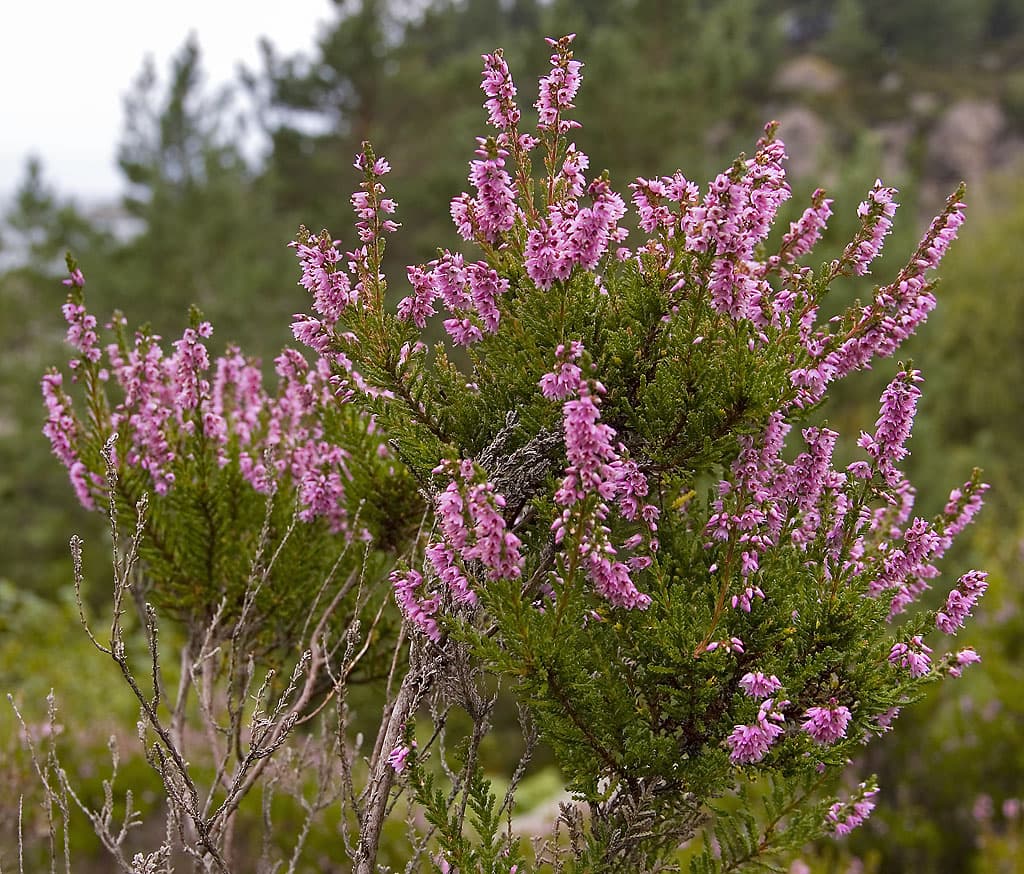
United Kingdom
Scotland's rarest bloom, whose white mutation brings extraordinary fortune to its finder.

United Kingdom
The symbol of steadfast hope that holds a life firm against the strongest currents.

United Kingdom
The navigator's wheel that guides the ship of life toward chosen destinations.
Portugal
The navigator's flower that ensures the bearer always finds their way to true north.

Ancient Persia / Greece
The Griffin — a creature with the body of a lion and the head and wings of an eagle — is an ancient symbol of divine power, guardianship, and the combined strength of the greatest earthly and aerial creatures.
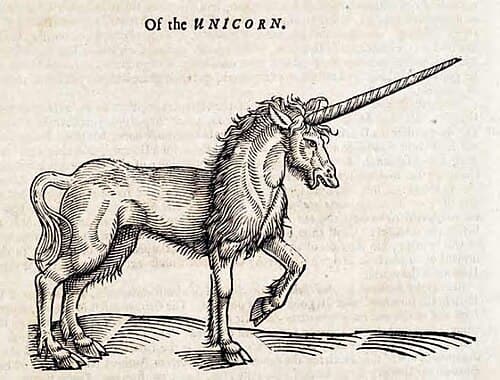
Ancient Persia / Medieval Europe
The unicorn — a horse with a single magical horn — has been a symbol of purity, grace, and miraculous luck across cultures for over three thousand years.

Ancient Greece
The Caduceus — a winged staff entwined by two serpents — is the ancient symbol of Hermes / Mercury and has been adopted worldwide as an emblem of medicine, healing, commerce, and safe communication.

Malta
The eight-pointed cross of the Knights of St. John — one of history's most potent protective symbols worn by warriors, healers, and those who serve others.

Russia
Russian nesting dolls symbolizing fertility, family, and infinite possibility within.

Russia
Jeweled egg charms inspired by Imperial Russia's most opulent symbols of wealth and divine favor.
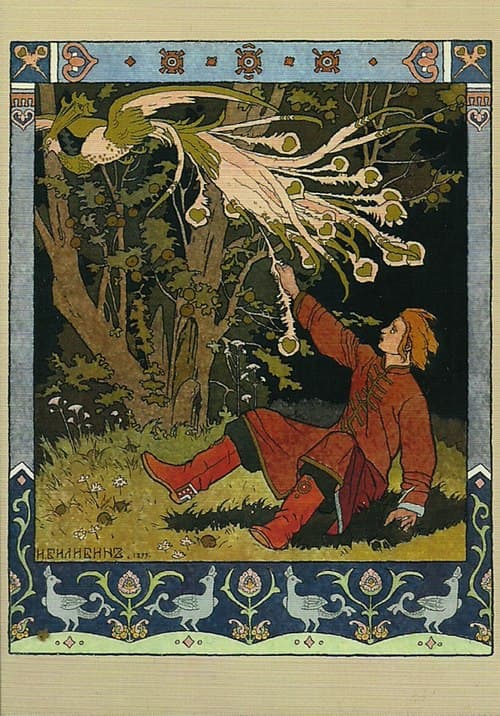
Russia
The mythical glowing bird of Slavic folklore that brings both great fortune and great challenge to those who pursue it.
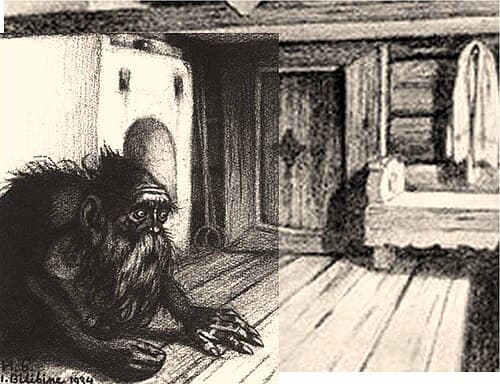
Russia
The ancient Slavic household spirit who guards the home and family when properly respected.
Russia
The Russian iron horseshoe hung points-up above doorways to catch and hold good fortune.

Russia
The ambiguous forest witch of Slavic lore whose wisdom and tests transform the worthy into heroes.

Ukraine
Ukraine's intricately wax-resist decorated Easter eggs — among the world's most complex folk art forms and most powerful blessing objects.

Ukraine
Ukraine's faceless fabric doll — an ancient talisman made without a needle, protecting through the hands' healing energy.

Ukraine
Ukraine's national flower — the mighty sunflower that follows the sun and fills the earth with seeds of abundance.
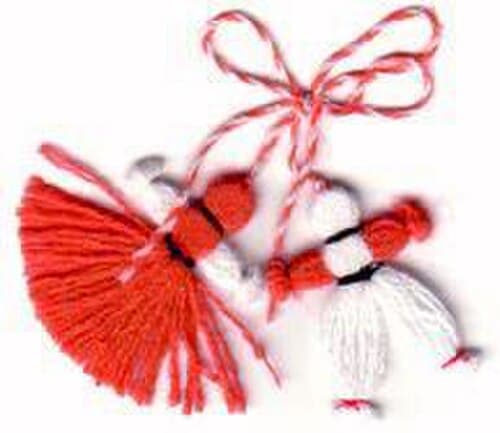
Bulgaria
Bulgaria's red and white spring charm worn from March 1st to celebrate winter's end and invite health and happiness.

Romania
Romania's beloved spring charm — a red and white cord worn from March 1st to welcome new beginnings and health.
Romania
Romania's deochi protection charm — blue beads and garlic warding off the envious gaze.
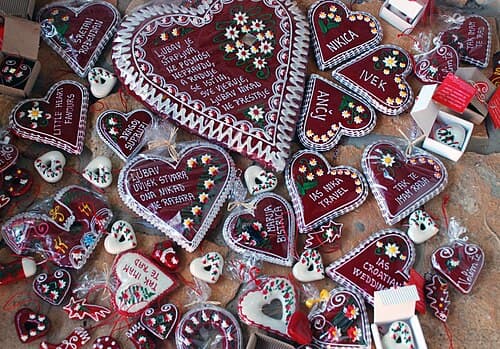
Croatia
Croatia's iconic red gingerbread heart — a UNESCO-protected folk art object and the sweetest expression of Croatian love.

Czech Republic
World-renowned Bohemian lead crystal, prized for its clarity and light-refracting brilliance as a symbol of refined fortune.

Czech Republic
The bumbling Czech folk hero who outwits authority through cheerful incomprehension — patron charm of the clever underdog.

Slovakia
Slovakia's national tree — the lipa (linden) that shades village gatherings and represents Slovak identity, freedom, and the sweetness of home.
Slovenia
The heart-shaped linden leaf of Slovenia — the sacred tree of the Slavic world symbolizing love, justice, and the village gathering place.

Poland
Intricate paper star ornaments from Poland's Kurpie forest region, hung at Christmas to bless the home with light.

Poland
Miniature charms inspired by Poland's famous blue-and-white stoneware, symbols of Polish craftsmanship and home blessing.
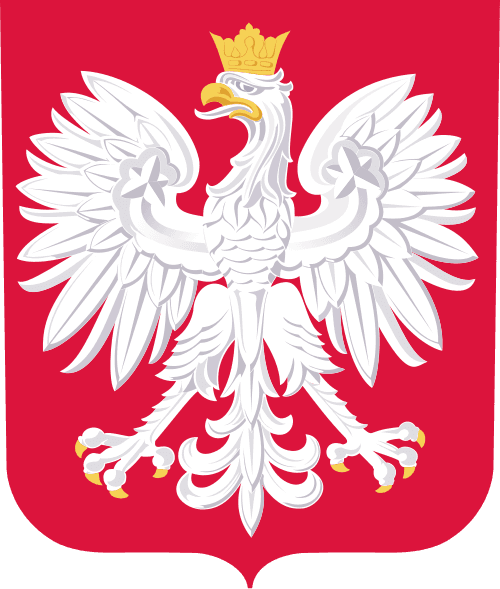
Poland
Poland's heraldic eagle — the crowned white eagle on red — symbol of national strength, sovereignty, and enduring courage.

Latvia
Latvia's ancient warrior ring — three interlaced silver bands representing the trinity of Latvian cosmic wisdom.

Estonia
Estonia's national flower — the brilliant blue cornflower (rukkilill) symbolizing Estonian simplicity, honesty, and the blessing of natural beauty.

Lithuania
Lithuania's beloved white stork — the bird that nests on rooftops and chimneys, bringing luck, babies, and spring's return.
Belarus
Belarus's beloved national bird — the white stork that blesses Belarusian homes with fire protection, luck, and the arrival of new life.

Albania
The double-headed black eagle of Albania — one of heraldry's most ancient symbols, worn by Albanians as a declaration of Illyrian pride and unbreakable sovereignty.

North Macedonia
North Macedonia's vibrant red poppy — a symbol of the fertile Vardar Valley, summer joy, and the resilience of beauty on difficult terrain.

Bosnia
The hand-hammered Bosnian copper — a Sarajevo craft tradition carrying centuries of Baščaršija market blessing energy.

Montenegro
Montenegro's ancient coastal olive trees — some over 2,000 years old — carrying Mediterranean peace, wisdom, and the blessing of deep time.

Serbia
The curled-toe traditional Serbian shoe — a symbol of cultural identity, grounded tradition, and the blessing of walking one's own path.

Moldova
Moldova's sacred vine — a land where wine is culture, identity, and the most ancient form of prosperity blessing.

Armenia
Armenia's beloved national fruit — the pomegranate representing fertility, prosperity, and the blessing of 365 seeds for each day of the year.

Armenia
Armenia's elaborately carved stone cross-slabs — among the world's most intricate sacred art forms, each a unique prayer in stone.

Georgia
St. Nino's grapevine cross — Georgia's most sacred Christian symbol, made from grapevines bound with the saint's own hair.
Azerbaijan
The pomegranate of the Caucasus — Azerbaijan's national symbol representing prosperity, fertility, and the beauty of life's abundance.

Kazakhstan
The golden eagle of Kazakh falconry — a symbol of noble freedom, visionary sight, and the sovereign power of the steppe.

Kazakhstan
The circular skylight of the Kazakh yurt — a cosmic symbol connecting earth and sky that appears on Kazakhstan's national flag.

Uzbekistan
Uzbekistan's magnificent embroidered textiles — a bride's years of work encoding blessings for her marriage in silk and thread.

Spain
The four-headed Basque cross that spirals through centuries of Iberian sacred tradition.

Hungary
The beloved tulip of Hungarian folk art — a symbol of love, spring renewal, and the flowering of life's gifts.
Hungary
The Magyar horseshoe charm bearing Pannonian luck traditions from Hungary's equestrian heritage.
Germany
The German lucky penny, a coin charm that anchors prosperity in the home.
Germany
The specific German chimney sweep figurine given at New Year for warmth and safety all year.

Norway
The wild mountain spirit of Norse mythology, now a beloved protective household figure.
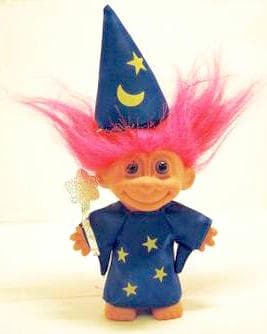
Denmark
The troll doll — a small figurine with wild colorful hair and a mischievous grin — originated as a Scandinavian lucky charm and became one of the world's most recognizable good luck mascots.
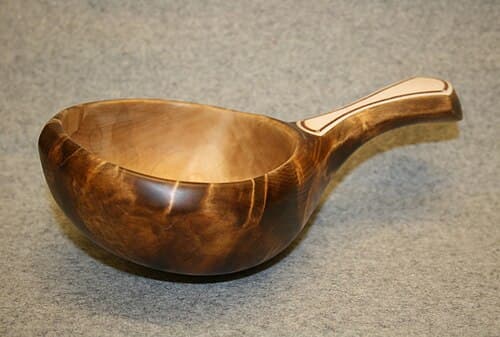
Finland
The hand-carved birch burl cup of Finnish tradition, gifted for luck and lasting friendship.
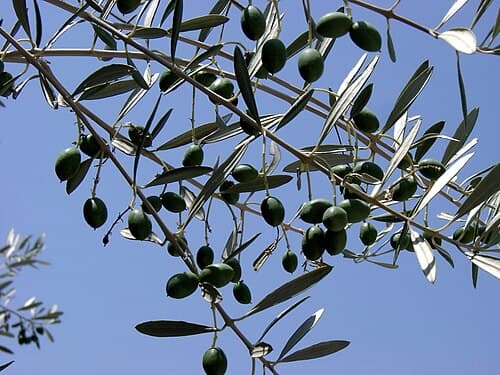
Greece
The sacred olive of Athena — symbol of peace, wisdom, abundance, and civilization's deepest roots.
Greece
Greece's sacred fruit of Persephone — the pomegranate bursting with seeds symbolizing abundance, fertility, and eternal renewal.

Greece
Greek komboloi — beads clicked and swung to release anxiety, invite calm, and fill idle hands with meditative rhythm.
Cyprus
The ancient olive of Aphrodite's island — Cyprus's sacred tree carrying 5,000 years of Mediterranean blessing from the birthplace of love.
Middle East / North Africa
A miniature of Islamic architecture's most stunning art form, carrying the protective power of geometric perfection.

Bulgaria
The Rosa Damascena of Bulgaria's Rose Valley — the world's finest rose oil and a symbol of beauty, healing love, and fragrant abundance.

Medieval Europe
The heart charm is the world's most universal symbol of love, affection, and emotional connection, worn and gifted across every culture as a talisman for the heart's desires.
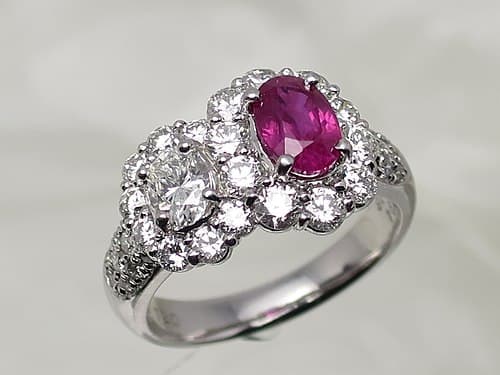
Universal / All cultures
The circle is the most universal geometric symbol in human culture, representing wholeness, eternity, protection, and the unbroken cycle of all existence.

Ancient Egypt / Multiple traditions
The triangle is one of the most stable geometric forms and a potent symbol of aspiration, the trinity of mind-body-spirit, divine power, and focused manifestation.

Ancient Mesopotamia
The five-pointed star is one of the world's oldest and most universally recognized symbols of luck, divine guidance, and celestial power.

United Kingdom
The peace sign was designed in 1958 as a nuclear disarmament symbol and has since become the world's most recognized emblem of harmony, non-violence, and positive intention.

Universal / All ancient cultures
The sun charm is one of humanity's oldest and most universally meaningful symbols, representing life-giving energy, confidence, success, and the radiant power of one's own essential nature.

Multiple ancient cultures
Moon phase charms represent the full cycle of the moon — from new to crescent to full and back — as a symbol of feminine cycles, emotional intuition, manifestation, and the rhythmic flow of all life.

Ancient Babylon / Global
Eclipse charms harness the intense transformative power of solar and lunar eclipses — astrological supernovas of change — to catalyze major life shifts and accelerate personal evolution.

Vedic / Hellenistic Astrology
The North Node charm supports the wearer in moving toward their soul's evolutionary direction — the astrological point that represents growth, new territory, and the fulfillment of one's deepest purpose.

Ancient Babylon / Rome
The Mars charm harnesses the energy of the warrior planet to boost courage, drive, physical vitality, competitive edge, and the determination to pursue goals with unstoppable force.

Ancient Babylon / Greece / Rome
The Venus charm — bearing the symbol of the goddess of love and beauty — is worn to attract romantic love, enhance personal magnetism, cultivate aesthetic appreciation, and align with the planet of pleasure and connection.

Hellenistic Astrology
The Saturn return talisman supports those navigating the astrological Saturn return — the significant life review occurring around ages 28-30 and 58-60 — with clarity, discipline, and the courage to build authentic lives.

Hellenistic Astrology / Modern
Mercury retrograde protection charms are used by astrology believers to guard against communication breakdowns, travel delays, technology failures, and contractual misunderstandings during Mercury's retrograde periods.

Ancient Babylon / Greece
Zodiac pendants bearing the symbol of one's astrological sign have been worn since antiquity as personal power charms, aligning the wearer with the cosmic archetype of their birth sign.

Ancient Near East / Poland
Birthstone charms align the wearer with the specific gemstone associated with their birth month, amplifying their natural strengths and providing personalized protection throughout the year.

Ancient Near East / Multiple traditions
Angel charms represent divine messengers and celestial guardians revered across virtually every major religion, offering protection, guidance, and the comforting presence of the divine in material form.
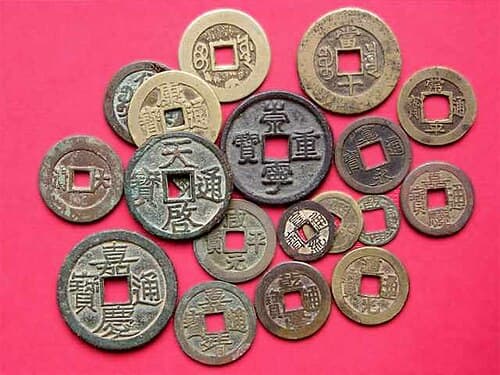
China
Ancient Chinese coins with square holes, tied in groups of three with red string, are powerful feng shui wealth activators connecting the circular heavens with the square earth.

Medieval Catholic Europe
Patron saint medals connect the wearer to the specific divine intercession of the saint assigned to their profession, illness, cause, or life situation, offering specialized spiritual protection and guidance.

France (Paris)
The Miraculous Medal is one of the most widely distributed religious medals in history, given to millions worldwide as a charm for divine grace, healing, and the special intercession of the Virgin Mary.

Medieval England / Carmelite Order
The scapular is a Catholic devotional garment — a small piece of wool worn over the shoulders — promised by the Virgin Mary to offer protection and salvation to those who wear it faithfully.

Medieval Germany / Italy
The St. Benedict medal is considered one of the most powerful exorcism and protection medals in the Catholic tradition, used worldwide to ward off evil, overcome temptation, and invoke divine protection.
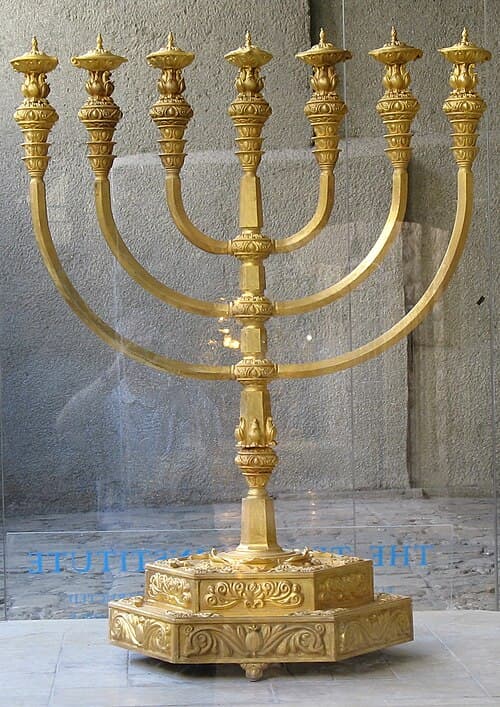
Israel
The seven-branched candelabrum, Judaism's oldest symbol of divine light and the endurance of faith against darkness.

Israel
A scroll of Torah verses in a decorative case affixed to doorposts, transforming Jewish homes into sanctuaries.

Israel
The Hebrew word for 'life' worn as the most personal and meaningful of all Jewish lucky charms.
Israel
A fruit overflowing with seeds like righteous deeds, a Jewish symbol of abundance, wisdom, and the high holidays.

Israel
A crimson thread tied seven times around the left wrist after visiting Rachel's Tomb, believed to ward off the evil eye.

Early Christianity
A vial of holy water is one of the most powerful protective sacramentals in Catholic and Orthodox Christianity, carried as a charm against evil, used in blessings, and kept as a tangible link to divine grace.

United States (folk herbal tradition)
A small sachet filled with herbs chosen to influence dream states — lavender, mugwort, chamomile — placed under the pillow for guided sleep.

West Africa
Islamic-influenced West African leather amulet containing Quranic verses for divine protection.

United States
Nature's original magnet, carried as the most ancient and powerful charm for drawing to you whatever you most deeply desire.

Spain
The golden metallic mineral of abundance and confidence, carried as a charm to attract wealth, repel negative energy, and activate the solar will to succeed.

Afghanistan
The royal blue stone of wisdom and truth, carried as a charm of intellectual power, inner vision, and the authority of those who speak truth to power.

Brazil
The iron-rich stone of grounding and strength, carried as a charm for earthing scattered energy, building physical resilience, and standing firm in one's power.

Mexico
The volcanic glass of truth and protection, carried as a powerful charm for revealing hidden truths, cutting karmic ties, and shielding against negative energy.

Brazil
The premier protective crystal, worn as a powerful charm against negative energy, electromagnetic radiation, and psychic attack.

Brazil
The Master Healer crystal, carried as a universal charm for amplification, clarity, and the programmable power to support any intention.

Morocco
The luminous crystal of the moon goddess, carried as a charm for energetic cleansing, divine light, and the pristine clarity of a mind aligned with higher truth.

Canada
The stone of magic and transformation, carried as a charm for psychic protection, the awakening of hidden gifts, and the luminous mystery of the Northern Lights made stone.

Sri Lanka
The ethereal stone of the feminine divine, worn as a charm of intuition, emotional balance, new beginnings, and the luminous mystery of lunar cycles.

China
The rainbow crystal of mental clarity and concentration, carried as a charm for focused thinking, psychic cleansing, and the harmonising of chaotic energy.
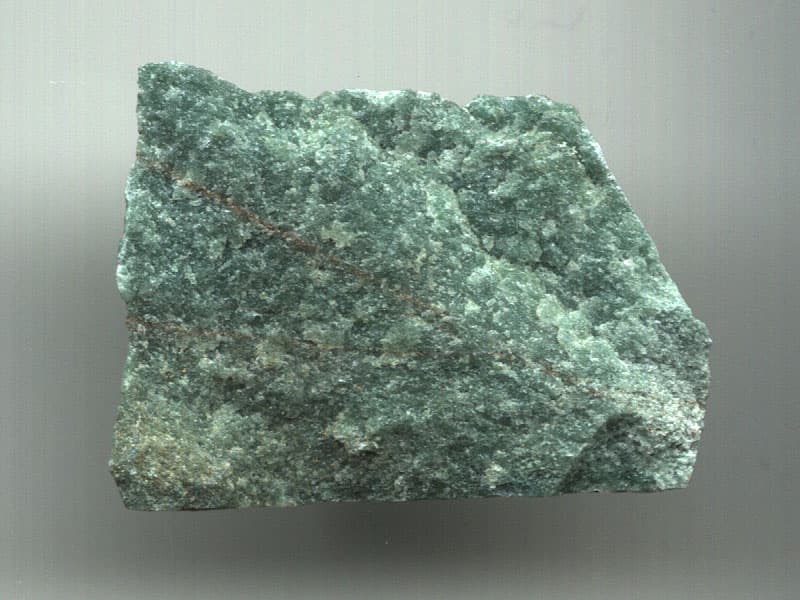
India
The shimmering green stone of opportunity and good luck, carried as the ultimate charm for attracting prosperity, positive outcomes, and the grace of fortunate timing.
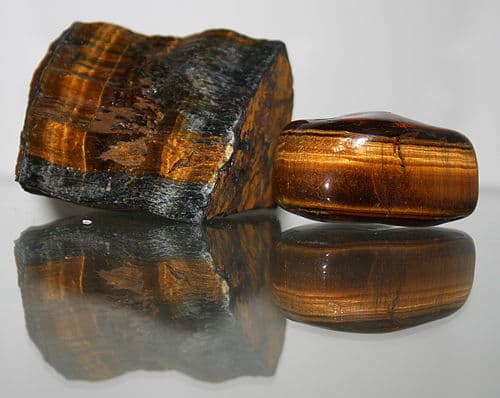
South Africa
The chatoyant golden-brown stone of courage and discernment, worn as a charm for sharp perception, confident action, and the focused power of the predator's gaze.

Democratic Republic of Congo
The banded green stone of transformation and protection, worn as a charm for deep emotional healing, bold change, and the amplification of intention.

India
The bold orange stone of vitality and creative courage, carried as a charm for motivation, artistic inspiration, and the passionate pursuit of action.

Canada
The deep blue stone of rational mind and inner truth, carried as a charm for clear thinking, honest self-examination, and the calm authority of one who trusts their own perception.
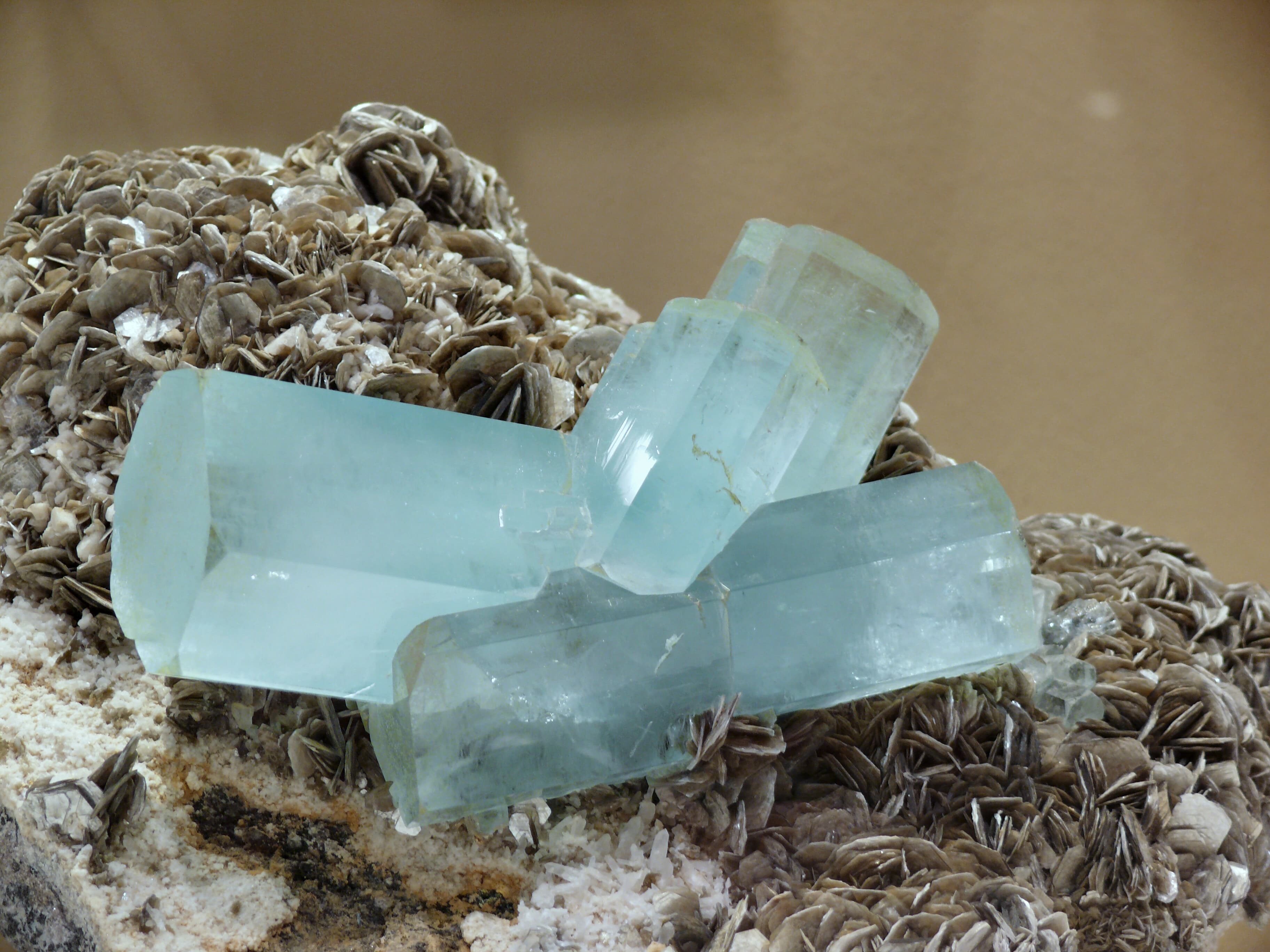
Brazil
The serene blue-green beryl of the sea, carried as a charm for clear communication, emotional calm, courageous truth, and safe passage through any life crossing.
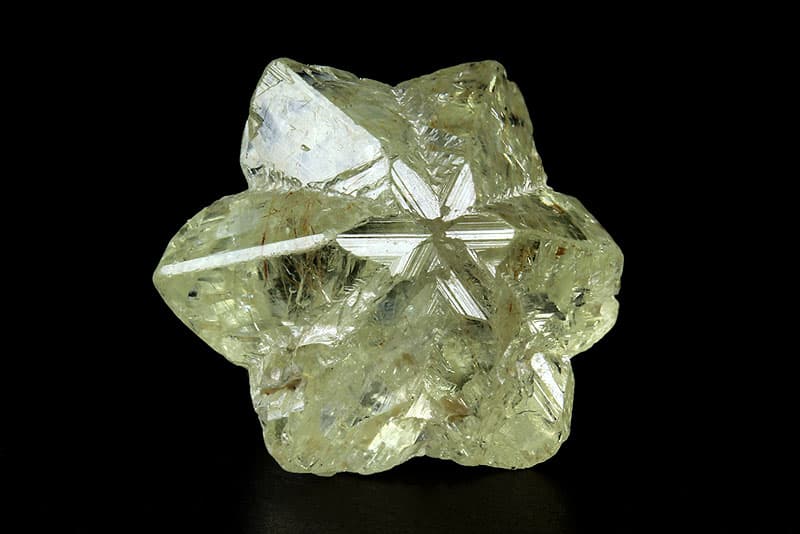
Russia
The magical colour-changing chrysoberyl of imperial Russia, worn as a charm of adaptability, balance between worlds, and the astonishing capacity to be more than one thing at once.
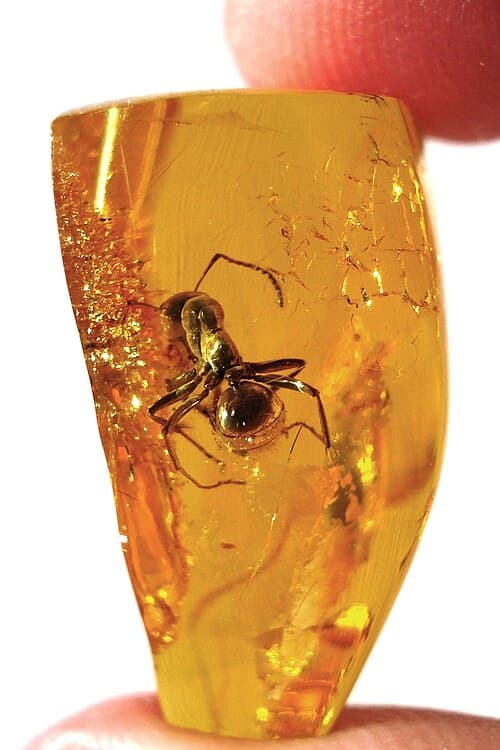
Lithuania
Ancient tree resin turned to golden stone over millions of years, carried as a charm of healing warmth, timeless wisdom, and the sun's preserved light.

India
The deep red stone of passionate love and vital energy, carried as a charm for romantic devotion, physical vitality, and the courageous pursuit of desire.

Egypt
The only gem born of lava and space, carried as a charm for releasing old patterns, attracting abundance, and the fresh green vitality of complete renewal.

Brazil
The golden gem of authentic truth and abundant joy, carried as a charm for manifesting desires, expressing personal truth, and attracting magnificent good fortune.

Myanmar
The King of Gems, worn as the supreme charm of passionate love, life-force vitality, and the courageous fire of the fully living heart.

Colombia
The Queen of Green, worn as the supreme charm of divine love, wisdom, and abundance flowing from the open heart.

Sri Lanka
The heavenly blue stone of wisdom and divine favour, worn as a charm of mental clarity, loyal devotion, and the blessings of those who seek truth in all things.
Australia
The rainbow-fire stone of magic and possibility, carried as a charm for amplifying imagination, embracing the full spectrum of emotion, and attracting the unexpected blessings of change.

United Kingdom
The ancient black gemstone of grief and protection, worn as a charm for absorbing sorrow, warding negativity, and honouring those who have passed.

India
The ancient warrior's healing stone, carried as a charm for physical vitality, courage in adversity, and the life-force power of blood renewed.
Sri Lanka
The luminous chatoyant gem of acute perception, worn as a charm of sharp intuition, protection from the evil eye, and the mysterious wisdom of the night.
Sri Lanka
The carved semicircular moonstone at temple entrances depicts the journey of the soul from worldly desire to liberation.

Arabian Peninsula
Aloe vera has been used as a healing plant, protective household charm, and good luck talisman for over six thousand years, believed to ward off negative energy and bring health and prosperity to the home.

India
Camphor burned in prayer rituals purifies the atmosphere, burns completely without residue symbolizing the ego's dissolution, and is the most complete offering to the divine.
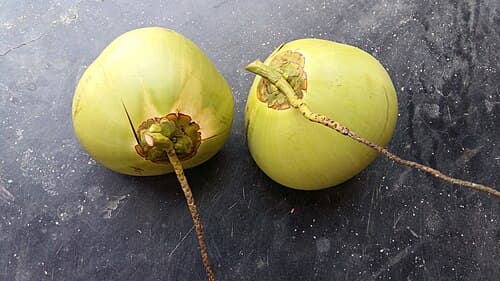
India
The coconut is the most auspicious offering in Hindu ritual, symbolizing the human ego dissolved in pure consciousness.

India
Turmeric root is a sacred healing spice used as a talisman for purification, protection, and auspicious new beginnings.

India
Strung across doorways during festivals and ceremonies, mango leaves welcome prosperity and protect against negative energy.

India
The sacred fig tree is where the Buddha attained enlightenment — its heart-shaped leaves are potent symbols of wisdom and divine dwelling.

India
The three-leafed bael tree is Lord Shiva's favorite offering and one of the most sacred plants in Shaivite Hinduism.
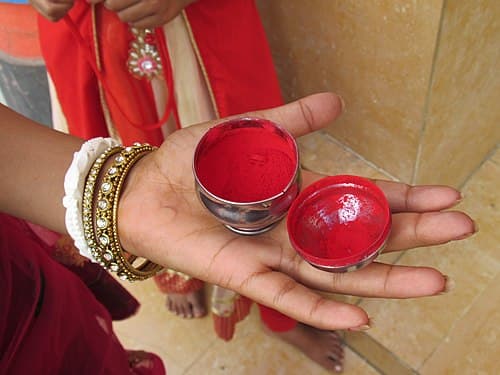
India
The ornate container for sindoor (vermilion) is a sacred object symbolizing marital love, a wife's protection of her husband, and the divine feminine.

India
Sacred floor art drawn at thresholds and courtyards to welcome Lakshmi and repel negative energies through geometric beauty.
India
The blue-and-white eye amulet protects against the malicious gaze of envy, widely used across South Asian communities.
India
The nazar battu is India's traditional evil eye repellent, a black effigy or symbol that absorbs jealous glances and protects its bearer.

Myanmar
Guardian lion-dragons flank the entrances of every Burmese temple, providing supernatural protection to sacred spaces and their communities.
Thailand
A rolled metal or bark scroll inscribed with sacred Pali or Khmer text, the Takrut is one of Southeast Asia's most potent protective talismans.

Suriname (Maroon communities of the interior)
Protective charms from Suriname's Maroon communities — descendants of escaped enslaved Africans who built free civilizations in the Amazon rainforest.

Nigeria
Igbo women's body painting tradition encoding protection, beauty, and status in temporary living art.
United States
A decorated box used in American folk practice to hold written wishes and lucky objects — a manifestation tool combining the wish box tradition with intention-setting ritual.
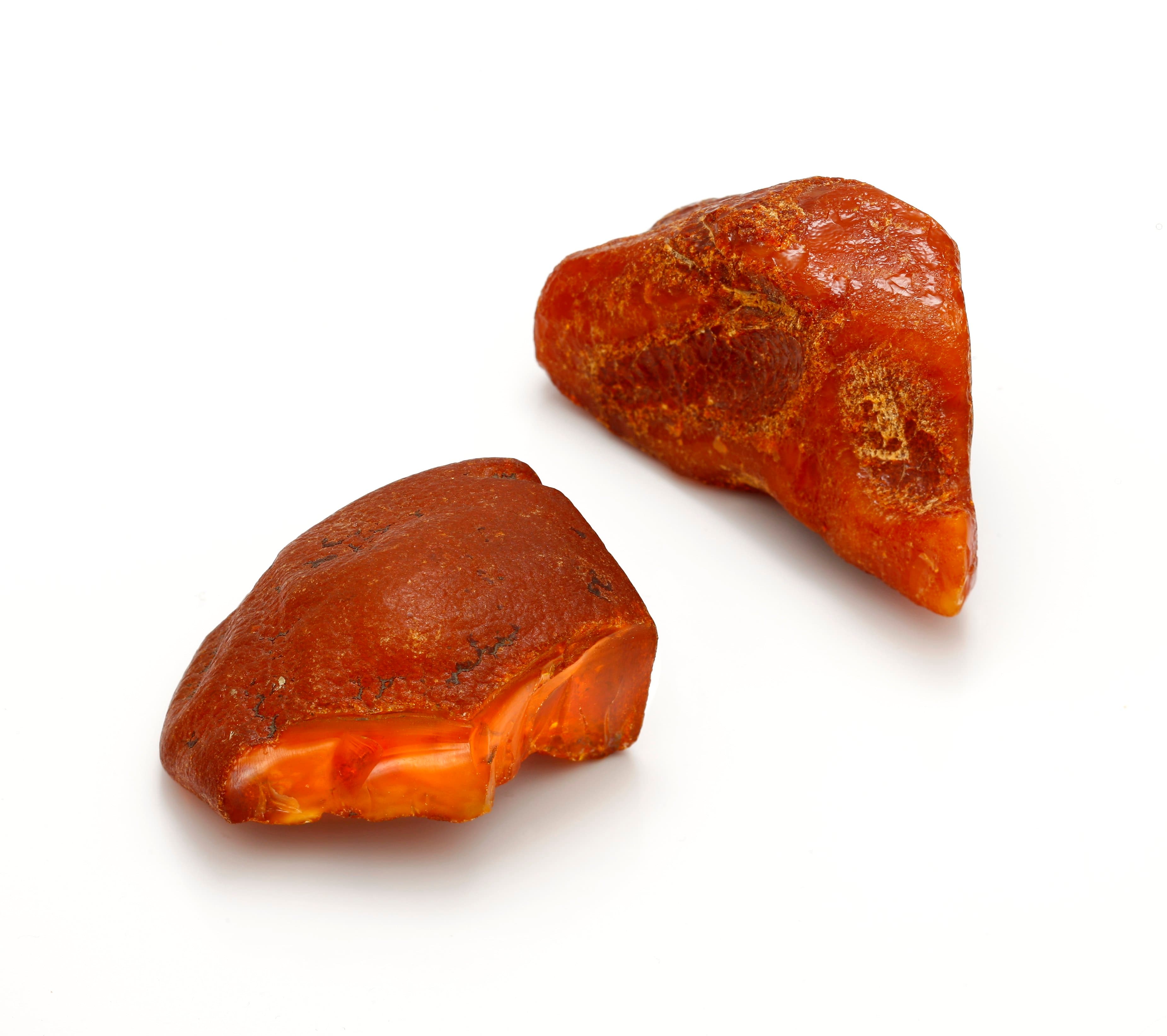
Lithuania
Ancient fossilized Baltic tree resin — the Northern European gold that carries 45 million years of healing and protective energy.

Atlantic Coast USA / Southeast Asia
The horseshoe crab, an ancient living fossil that has survived five mass extinctions, is considered a powerful luck charm for resilience, longevity, and the triumph of life over overwhelming odds.
Netherlands
The ancient living fossil's shell, prized by European coastal communities for its otherworldly form.

Pakistan (Khewra Salt Mine)
Himalayan salt lamps are carved from ancient salt crystals and used worldwide as purifying, calming, and energetically clearing home accessories that create a warm, healing atmosphere.
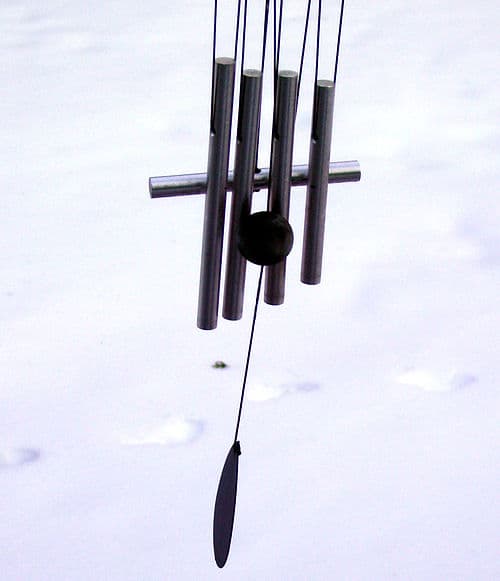
Ancient China / India
Wind chimes have been used for thousands of years in Asia and worldwide to disperse negative energy, attract good fortune, and fill spaces with the healing, harmonizing vibrations of sound.

United Kingdom
The May tree's sacred blossom, carried at Beltane for love and gathered for powerful hedgerow magic.

United Kingdom
The tenacious digger's tooth, carried by gamblers and seekers of hidden treasures.

United Kingdom
The beloved little bird of British winter who brings good fortune wherever he appears.

Iran
The teardrop-shaped motif from ancient Persia that conquered the world's textile traditions and became a global symbol of flowing beauty.
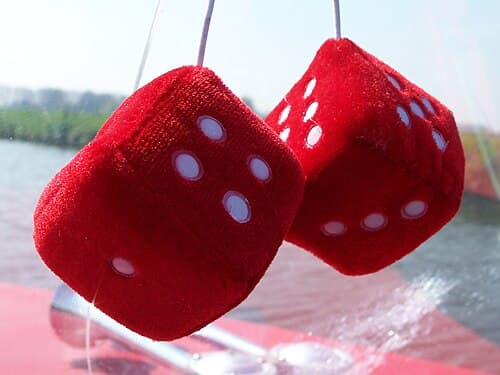
United States
Oversized plush dice hung from rearview mirrors — an American icon of daring, luck, and the gamble of the open road.

India
One of the oldest symbols of good fortune in human history, the Hindu swastika represents the eternal cycle of prosperity and well-being.

