Phoenix
Ancient Egypt / Greece
The Phoenix — the mythical bird that rises reborn from its own ashes — is the world's most powerful symbol of resurrection, transformation, and the triumph of the human spirit over adversity.
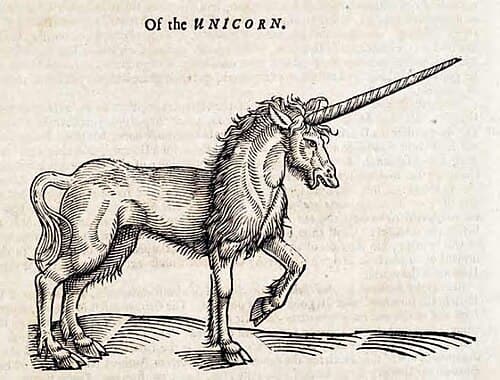
The unicorn — a horse with a single magical horn — has been a symbol of purity, grace, and miraculous luck across cultures for over three thousand years.
Unicorn-like creatures appear in the ancient literature of India, Persia, and Greece, with the Greek historian Ctesias of Cnidus writing the earliest Western description circa 400 BCE — a wild ass-like creature with a white body, red head, and single multicolored horn whose powdered horn was an antidote to poison. Medieval European naturalists included the unicorn in their bestiaries alongside lions and bears, treating it as a real if rare animal. Its horn — called the alicorn — was among the most valuable substances in medieval pharmacopeias, believed to purify poisoned water and cure any illness.
The unicorn became Scotland's national animal in the twelfth century, where it represented power, independence, and purity — qualities the Scots associated with their own national identity. In heraldic tradition, the unicorn could only be tamed by a pure maiden, connecting it firmly to the ideal of virtue and grace. Medieval tapestries, most famously the Unicorn Tapestries at the Cloisters in New York, depicted the unicorn's hunt as an allegory for Christ's passion.
In modern culture, the unicorn has been reclaimed as a symbol of joyful magic, celebrating what is unique, rare, and beautiful about each individual. As a luck charm, it is particularly popular among children, creatives, and anyone who refuses to let the world extinguish their sense of wonder.

Purity, grace, the magical and rare, individual uniqueness, divine blessing, and the preservation of wonder.
Give a unicorn charm to a child to protect their sense of imagination and possibility. Wear one as a reminder to honor what is unique and magical about yourself. Place unicorn figurines in creative spaces — art studios, music rooms, writing desks — to invite inspired, breakthrough thinking.
The unicorn and the lion appear together on the British Royal Coat of Arms — the lion represents England's strength and the unicorn represents Scotland's grace and independence. They are depicted chained because, according to heraldic tradition, a free unicorn is dangerous.
Yes, across multiple traditions. In Chinese culture, the qilin (a related unicorn-like creature) is one of the luckiest animals. In European tradition, encountering a unicorn was considered the ultimate blessing.
The unicorn was adopted by Scottish kings in the twelfth century because it was considered the most powerful of all animals in heraldic tradition — untamable except by purity of heart — reflecting Scottish ideals of strength and independence.
Absolutely. Unicorn symbolism for adults speaks to the rare, the extraordinary, and the preservation of creative wonder. Many adults wear unicorn charms specifically as a countercultural statement against cynicism.
Ancient Egypt / Greece
The Phoenix — the mythical bird that rises reborn from its own ashes — is the world's most powerful symbol of resurrection, transformation, and the triumph of the human spirit over adversity.
Ancient Persia / Greece
The Griffin — a creature with the body of a lion and the head and wings of an eagle — is an ancient symbol of divine power, guardianship, and the combined strength of the greatest earthly and aerial creatures.
Ancient Near East
Across cultures and continents, the number seven is considered the luckiest single digit, woven into mythology, religion, science, and folklore.