Celtic Cross
Early Medieval Ireland / Scotland
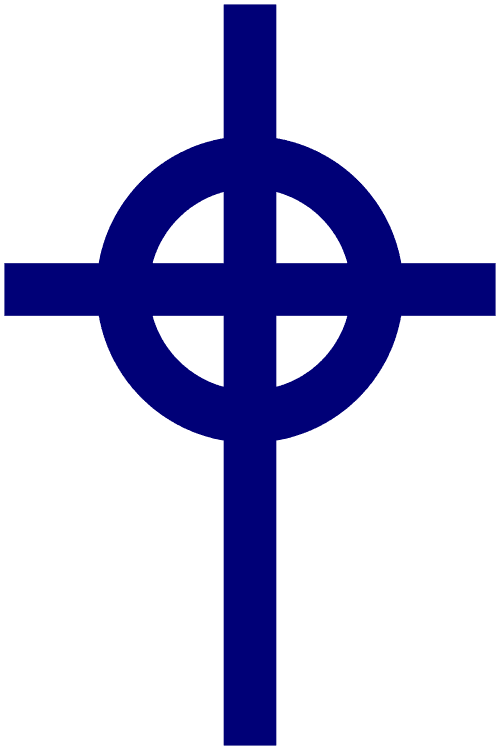
The Celtic Cross — a traditional Christian cross encircled by a ring — is an iconic symbol of Irish and Scottish heritage, faith, and eternal life used as a protective charm for millennia.
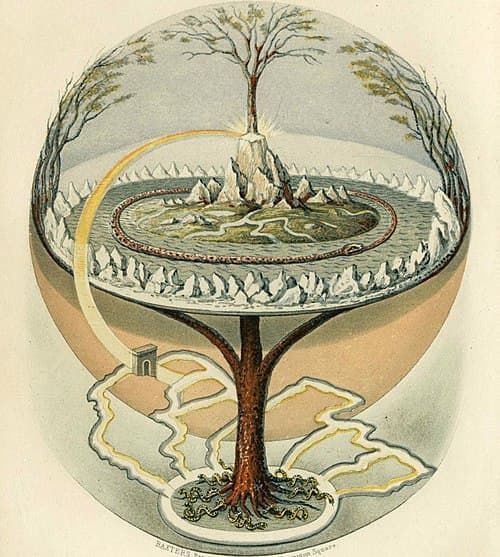
The Tree of Life is a universal symbol found in nearly every major world culture, representing the interconnection of all life, ancestral roots, and the continuous cycle of growth and renewal.
The Tree of Life is one of the most ancient and widespread symbols in human culture. It appears in Mesopotamian art over five thousand years ago, in the Norse world tree Yggdrasil connecting the nine realms, in the Kabbalistic ten-sphere diagram of Jewish mysticism, in Hindu cosmology's cosmic tree Ashvattha, in Celtic traditions where the oak was considered sacred, and in the indigenous traditions of the Americas, Africa, and Oceania. The universality of this image speaks to something deep in the human experience — our recognition that trees, with their roots in the dark earth and branches reaching toward light, model something essential about life itself.
As a charm, the Tree of Life symbolizes the connection between one's ancestors (roots) and descendants (branches), the balance between earth and sky, and the nourishment that comes from being firmly grounded while continuously growing. Its interlacing branches and roots also represent the interconnectedness of all living beings — the understanding that we are all part of one great web of life.
In Irish Celtic tradition, the crann bethadh (Tree of Life) was so important that rival clans would attempt to destroy each other's sacred tree as a symbol of conquest. Today, Tree of Life pendants are among the most popular pieces of spiritual jewelry globally, worn by people of all backgrounds as reminders to stay rooted, keep growing, and honor their connections.

Connection to ancestors and descendants, growth, groundedness, the interconnection of all life, and eternal renewal.
Wear a Tree of Life pendant when facing major life transitions to stay rooted in your values while remaining open to growth. Place a Tree of Life wall hanging in your living room to bless the home with familial connection. Write the names of your ancestors on small pieces of paper and place them under a Tree of Life figurine as an act of gratitude and remembrance.
In Norse mythology, the squirrel Ratatoskr ran up and down the World Tree Yggdrasil carrying messages — and insults — between the eagle at the top and the serpent at the roots, making the tree itself a cosmic communications network.
No. It appears across Norse, Celtic, Jewish, Hindu, Buddhist, Christian, Islamic, and indigenous traditions worldwide. It is one of humanity's most genuinely cross-cultural spiritual symbols.
Absolutely. Many people wear it as a secular symbol of personal growth, family connection, and environmental awareness. The meaning you bring to it is always the most important element.
Green aventurine represents growth and prosperity, amethyst adds spiritual depth, and garnet connects to ancestral roots. Many Tree of Life pendants incorporate multiple small gemstones in the branches to represent abundance.
Early Medieval Ireland / Scotland
The Celtic Cross — a traditional Christian cross encircled by a ring — is an iconic symbol of Irish and Scottish heritage, faith, and eternal life used as a protective charm for millennia.
Ancient India / Tibet
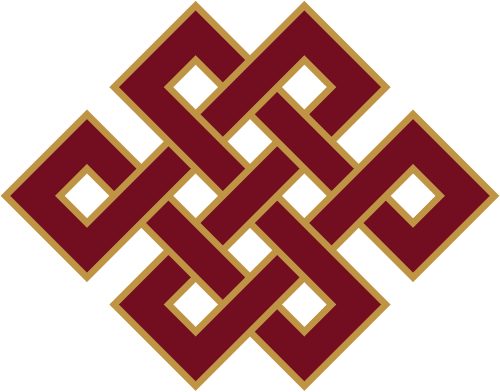
The Endless Knot (Shrivatsa) is one of the Eight Auspicious Symbols of Buddhism, representing the interconnectedness of all phenomena, infinite compassion, and the timeless wisdom of the Buddha.
Ancient Egypt
The Ouroboros — a serpent or dragon consuming its own tail — is one of the oldest symbols in the world, representing the infinite cycle of creation and destruction, death and rebirth, and the eternal nature of existence.