

214
Wealth
🍲
Moroccan Tagine Charm
Morocco
A miniature of the iconic conical Moroccan cooking pot, symbolizing abundance, hospitality, and the warmth of home.
4.1Learn more →


The desert fox with enormous ears, Algeria's beloved national symbol of cunning, adaptability, and Saharan resilience.
The fennec fox (Vulpes zerda) is one of the world's smallest foxes but has the largest ear-to-body ratio of any canid — ears measuring up to 15 centimeters on an animal weighing only 1.5 kilograms serve the dual function of acute hearing (to detect prey and predators in the vast silence of the Sahara) and heat dissipation (the enormous blood-vessel-rich ears radiate body heat like biological radiators, keeping the fox cool without sweating). This elegantly engineered survival system makes the fennec the perfect emblem of desert adaptation — succeeding through ingenious biological design rather than brute strength or size.
The Algerian national football team's players are nicknamed 'Les Fennecs' (The Fennecs), an appellation of pride connecting the sporting team to the nation's most distinctive desert animal. The team's 2019 AFCON (African Cup of Nations) victory was celebrated across Algeria and the Algerian diaspora with particular joy, the fennec victory lap becoming a national identity moment. The choice of the fennec rather than a more conventionally imposing animal as national emblem speaks to an Algerian cultural self-understanding rooted in the desert: we survive, we adapt, we hear everything, and we are more formidable than our modest size suggests.
Fennec fox charms and imagery are beloved in Algerian culture and increasingly popular internationally as the fennec has become one of social media's most beloved animals — its enormous ears and bright eyes photograph irresistibly. An Algerian fennec charm carries the energy of intelligent adaptation, the courage to be effective despite modesty of scale, and the Saharan wisdom of surviving the harshest environment through elegant design.
Intelligent adaptation, the triumph of elegance and ingenuity over brute force, the acute perception that hears what others miss, and the Saharan resilience that makes survival in extreme conditions look effortless.
Carry a fennec charm when navigating environments requiring adaptability, acute perception, and intelligence over strength. Gift to someone who consistently achieves more than their resources or position would suggest possible. Display as a reminder that success comes in many sizes and forms.
Despite living in one of the world's harshest environments, fennec foxes are remarkably social animals — they live in family groups of up to 10 individuals and communicate through an extensive vocabulary of vocalizations, barks, and growls. In the silence of the Sahara, their enormous ears can detect the movements of insects and small rodents underground, allowing them to hunt what other desert animals cannot sense.
The nickname reflects both the fennec's status as Algeria's most distinctive desert animal and an identity assertion rooted in Saharan North Africa rather than Mediterranean Arab or European frameworks. The fennec's desert associations celebrate Algeria's unique African identity, and the animal's reputation for cleverness suits a football team that often succeeds through tactical ingenuity.
In some countries yes, but it is controversial and generally discouraged. Fennecs are wild animals with specialized needs (diet, exercise, socialization) that are difficult to meet in domestic settings. While they are sometimes offered as exotic pets, wildlife organizations generally recommend against the trade, which can threaten wild populations. In many countries fennec fox ownership is regulated or prohibited.
Through multiple elegant adaptations: its enormous ears dissipate heat and detect prey; its thick fur insulates against both cold desert nights and reflected ground heat; its kidneys are so efficient it rarely needs to drink water (getting moisture from food); its paws have thick fur on the soles for traction on hot sand; and it is nocturnal, avoiding the worst daytime heat.
Morocco
A miniature of the iconic conical Moroccan cooking pot, symbolizing abundance, hospitality, and the warmth of home.
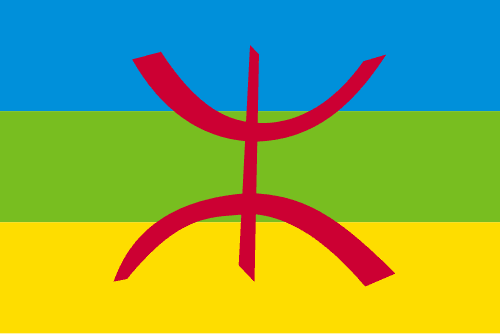
Morocco / Algeria / Tunisia
Ancient Amazigh geometric cross amulets carried for protection and tribal identity across North Africa's indigenous people.

Tunisia
The lucky Tunisian fish amulet, a pre-Islamic fertility and abundance symbol still widely used across the country.

