

213
General
⭐
Moroccan Star
Morocco
The eight-pointed star of Moroccan Islamic art, a geometric symbol of cosmic harmony and divine order.
4.4Learn more →


A miniature of the iconic conical Moroccan cooking pot, symbolizing abundance, hospitality, and the warmth of home.
The tagine — Morocco's iconic conical clay cooking pot — is both a cooking vessel and a cultural symbol of extraordinary depth, representing the Moroccan philosophy of hospitality (karam), the transformative power of slow and patient cooking, and the communal table as the center of family and social life. The conical lid creates a microclimate inside the pot that continuously circulates moisture, requiring no added liquid and producing extraordinarily tender, flavored results from tough, inexpensive cuts of meat and simple vegetables. This technology reflects a Moroccan culinary wisdom: patient, gentle process produces better results than force.
As a symbol of wealth and abundance, the tagine represents the provider's ability to transform simple ingredients into something nourishing and generous — the essence of what abundance means in Moroccan culture. In Moroccan social life, refusing to share a meal is virtually unthinkable, and the tagine placed at the center of a table, surrounded by family and guests, embodies this value of inclusive abundance. The saying 'ma table est la vôtre' (my table is yours) reflects this philosophy, and the tagine is its physical expression.
Miniature tagine charms in silver, ceramic, and painted clay are popular Moroccan souvenirs and meaningful gifts connecting recipients to the warmth of Moroccan hospitality. They are especially appropriate for those who love cooking, who are setting up new homes, or who need a reminder that abundance grows through generosity rather than hoarding.
Hospitality, abundance through sharing, the patient transformation of simple ingredients into something rich and nourishing, and the warmth of the communal table as the center of human connection.
Place a tagine charm in your kitchen to encourage abundance and inspired cooking. Gift to someone moving into a new home as a blessing of hospitality and warmth. Keep on a dining table to remind guests and hosts alike that shared meals are sacred. Carry as a charm when seeking opportunities that reward patience over haste.
The word 'tagine' refers to both the cooking vessel and the stew cooked in it. Archaeological evidence of tagine-style cooking vessels in North Africa dates back to the time of ancient Carthage, suggesting this cooking method has been used in the region for over 2,500 years.
The conical lid creates a convection system inside the pot — steam rises, condenses on the sloped walls of the lid, and drips back down to baste the food. This self-basting mechanism means food can cook slowly in its own moisture without added liquid, developing concentrated flavors.
Yes, though regional variations exist. Coastal tagines feature more fish and preserved lemons. Mountain Berber tagines use more lamb and root vegetables. Desert versions often incorporate dried fruits, dates, and almonds. The unifying principle is slow, patient cooking in the conical clay vessel.
Giving a tagine-related gift carries connotations of wishing the recipient a home full of warmth, good food, and generous hospitality. In a culture where hospitality is among the highest virtues, this is a genuinely significant wish — the tagine symbolizes the social ideal of the generous, welcoming home.
Morocco
The eight-pointed star of Moroccan Islamic art, a geometric symbol of cosmic harmony and divine order.
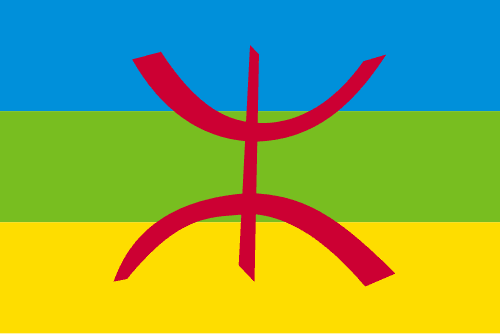
Morocco / Algeria / Tunisia
Ancient Amazigh geometric cross amulets carried for protection and tribal identity across North Africa's indigenous people.

Algeria
The desert fox with enormous ears, Algeria's beloved national symbol of cunning, adaptability, and Saharan resilience.

