

26
Love
🌸
Rose Quartz
Brazil
The stone of unconditional love, carried as the most universal charm for opening the heart to romantic love, self-love, and compassionate healing.
4.9Learn more →


The Queen of Green, worn as the supreme charm of divine love, wisdom, and abundance flowing from the open heart.
Emerald is the most precious variety of the mineral beryl, its intense green colour produced by trace amounts of chromium and sometimes vanadium in the crystal structure. Colombia's Muzo, Chivor, and Coscuez mines produce the world's finest emeralds — stones of extraordinary depth and intensity that the trade calls 'Colombian green' as the highest standard of quality. Zambia produces emeralds with exceptional clarity; Brazil yields large but typically lighter stones. The finest emeralds — deep, pure green with high transparency — are more valuable per carat than diamonds.
Egypt's Cleopatra Mines, worked from around 1500 BCE, made emerald the gem of pharaonic power. Cleopatra herself was famously passionate about emeralds, reportedly commissioning portrait cameos of herself in the stone. In Vedic astrology, emerald (panna) corresponds to Mercury, the planet of intellect and communication, making it a stone for those seeking to sharpen the mind and command language effectively. In Andean traditions, the Muisca people of Colombia considered emeralds sacred to their moon goddess, and the stones were used in the legendary El Dorado ceremonies.
In contemporary metaphysical tradition, emerald is the supreme heart chakra stone — deeper, more complex, and more spiritually demanding in its work than rose quartz. It opens the heart to the highest forms of love: divine love, the love that perceives essential beauty in all things. It is also a stone of wisdom, abundance, and fidelity — traditionally given between partners as a promise of loyalty and everlasting love.
The Emerald traces its origins to Colombia, where it has been revered for generations as a powerful symbol of romantic devotion and emotional connection. Historical records and oral traditions suggest that early versions of this charm appeared centuries ago, when communities in Colombia first began attributing supernatural qualities to objects drawn from their natural and spiritual environment.
Over time, the Emerald evolved from a regional folk object into a widely recognized talisman. Traders, travelers, and migrants carried it across borders, introducing it to new cultures that often adopted and adapted it to fit their own belief systems. Today it is found in colombia, zambia, brazil and beyond, each culture adding its own layer of meaning and ritual to the charm's enduring legacy.
In its homeland of Colombia, the Emerald occupies a revered place in both daily life and ceremonial practice. It is not merely decorative — it is woven into the fabric of cultural identity, appearing in celebrations, rites of passage, and household traditions that have been passed down through generations.
Beyond Colombia, the Emerald has gained recognition in colombia, zambia, brazil and other regions, where it is valued for its symbolic connection to romantic fulfillment. Scholars of material culture and anthropologists note that charms like the Emerald serve a dual psychological function: they provide a tangible focus for hope and intention, and they connect their owners to a living cultural tradition that transcends individual experience.
To get the most from your Emerald, keep it in a place where you will see it daily — on a desk, nightstand, or near your front entrance. Physical proximity reinforces the intention behind the charm and serves as a regular reminder of your goals.
Traditional practice recommends handling the charm with clean hands and respectful intention. Many practitioners in Colombia advise setting a clear purpose when you first acquire the charm: hold it, state your wish or goal silently or aloud, and then place it in its chosen position. Periodically cleansing the charm — by passing it through incense smoke, placing it under moonlight, or simply wiping it with a clean cloth — is believed to refresh its energy.
If the charm is meant to be worn (as jewelry or a carried token), keep it close to your body throughout the day. If it is a household object, place it in the area of your home most associated with its purpose — for example, near a workspace for success charms, or by the bed for love and health charms.
Divine love, wisdom of the open heart, fidelity and loyalty in love, abundant prosperity, and the perception of essential beauty in all of existence.
Wear over the heart to activate the heart chakra at its deepest level. Give to a partner as a vow of fidelity and deep love. Place in a wealth altar to invite abundant prosperity energised by love rather than fear. Meditate with emerald when working on compassion — both self-compassion and universal compassion for others.
Almost all emeralds are heavily included — fissures and inclusions within the stone are so common that the gem trade calls them 'jardin' (French for 'garden') rather than flaws, treating them as part of the stone's character. A truly eye-clean emerald of significant size is so rare it commands extraordinary premiums even over equivalent diamonds.
Almost all emeralds have natural fissures (jardin) reaching the surface. Filling these with cedar oil or resin is a universally accepted trade practice that improves clarity and colour. GIA reports grade the degree of treatment: 'none,' 'minor,' 'moderate,' or 'significant.' None is exceedingly rare and commands the highest prices.
In many traditions, emerald's heart-opening and abundance-attracting qualities are associated with fertility — both biological and creative. It is sometimes given to those hoping to conceive, alongside moonstone and carnelian.
Lab-grown emeralds (including the famous Chatham emeralds) have identical chemical and optical properties to natural stones. Many crystal practitioners use them freely, particularly since the savings allow access to much larger, clearer stones than natural budget constraints might permit.
The Emerald originates from Colombia, where it has been used as a love charm for centuries. Its influence has since spread to colombia, zambia, brazil and many other regions worldwide.
Wear over the heart to activate the heart chakra at its deepest level. Give to a partner as a vow of fidelity and deep love. Place in a wealth altar to invite abundant prosperity energised by love rather than fear. Meditate with emerald when working on compassion — both self-compassion and universal compassion for others. For best results, set a clear intention when you first acquire the charm and keep it in a prominent, respectful location.
Yes, giving a Emerald as a gift is considered a generous and meaningful gesture in most traditions. In Colombia, gifted charms are often believed to carry even stronger energy than those purchased for oneself, because they come with the goodwill and intention of the giver.
Many practitioners recommend periodically cleansing your Emerald to refresh its energy. Common methods include passing it through incense smoke, placing it in moonlight overnight, rinsing it under clean water (if the material allows), or simply wiping it down with a clean cloth while setting a fresh intention.
While the Emerald originated in the cultural traditions of Colombia, it is not exclusive to any single religion. It has been adopted and adapted by people of many faiths and backgrounds, each bringing their own interpretation to its symbolism and use.
Brazil
The stone of unconditional love, carried as the most universal charm for opening the heart to romantic love, self-love, and compassionate healing.

Democratic Republic of Congo
The banded green stone of transformation and protection, worn as a charm for deep emotional healing, bold change, and the amplification of intention.
India
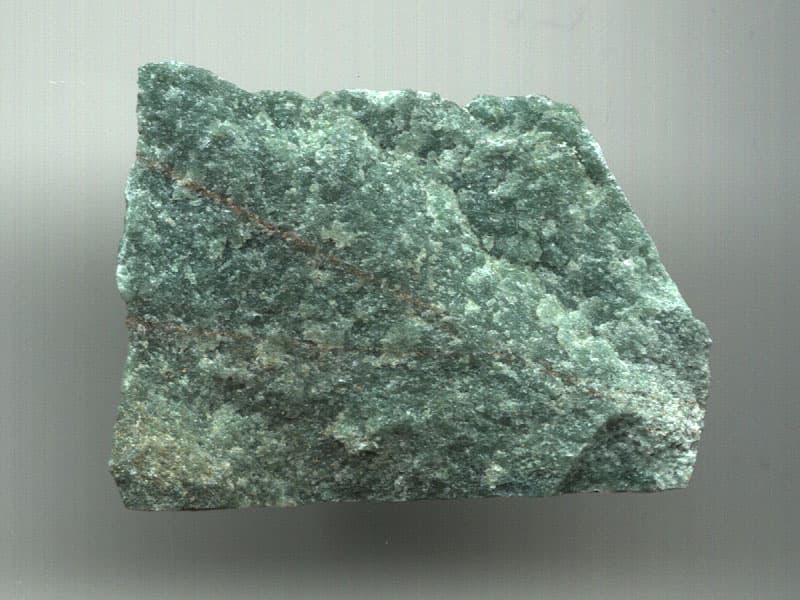
The shimmering green stone of opportunity and good luck, carried as the ultimate charm for attracting prosperity, positive outcomes, and the grace of fortunate timing.

