

26
Love
🌸
Rose Quartz
Brazil
The stone of unconditional love, carried as the most universal charm for opening the heart to romantic love, self-love, and compassionate healing.
4.9Learn more →


The banded green stone of transformation and protection, worn as a charm for deep emotional healing, bold change, and the amplification of intention.
Malachite is a copper carbonate hydroxide mineral that forms in the oxidised zones of copper deposits, producing some of the most visually stunning patterns in the mineral world — concentric rings of light and dark green that resemble cross-sections of trees or the eye markings of peacock feathers. The Congo produces massive specimens; Russia's Ural Mountains historically supplied enormous slabs that were used to panel entire rooms in the Winter Palace in St. Petersburg. Ancient Egyptians mined malachite at Sinai from 4000 BCE, using it both as pigment and as protective jewellery.
Malachite is one of the most powerful of all heart chakra stones, but its action is not gentle — it penetrates deeply, drawing out suppressed emotions, unresolved traumas, and hidden patterns that block healing and growth. It is sometimes called 'the stone of transformation' because it catalyses change at depth, not at the surface. Medieval Europeans called it 'the magic mirror' stone and believed it could reveal the true character of those who looked at it, as well as warn its wearer of approaching danger by cracking.
The stone amplifies all energies — both positive and negative — making it important to work with it intentionally. In healing practices, malachite is used alongside other heart stones in a graduated approach. It is also one of the most effective stones for overcoming fear of change, supporting recovery from trauma, and empowering those who have been victimised to reclaim their power. It is a stone for those doing the hard work of genuine transformation, not those seeking comfort.
Deep emotional transformation, heart healing at depth, amplification of intention, overcoming fear of change, and the reclamation of power after wounding.
Place on the heart chakra during meditation when working on emotional healing, but limit sessions to 20 minutes as its intensity can be overwhelming. Use polished (not raw) malachite, as raw malachite's copper dust is toxic if inhaled. Keep in a workspace to amplify productive energy. Cleanse regularly on a selenite plate.
Catherine the Great of Russia was so enamoured with malachite that she had the Malachite Room in the Winter Palace lined entirely with malachite panels, columns, and decorative pieces — over two tonnes of the stone. The room, restored after the 1837 fire, remains one of the most spectacular gemstone interiors in the world.
Handle raw malachite carefully — the copper-based dust can be harmful if inhaled or ingested. Always work with polished malachite for direct skin contact. Wash hands after handling raw specimens and avoid touching your face. Polished malachite is safe for wearing.
No — malachite is toxic in water as the copper leaches out. Never make a direct malachite elixir. If you wish to use its energy in water, use the indirect method: place the sealed stone outside a container of water rather than in it.
It amplifies whatever energy it encounters and acts deeply on the emotional body, surfacing old wounds for release. This makes it one of the most effective healing stones but also one that can cause temporary emotional turbulence. Work with it gradually and always ground yourself after use.
Brazil
The stone of unconditional love, carried as the most universal charm for opening the heart to romantic love, self-love, and compassionate healing.
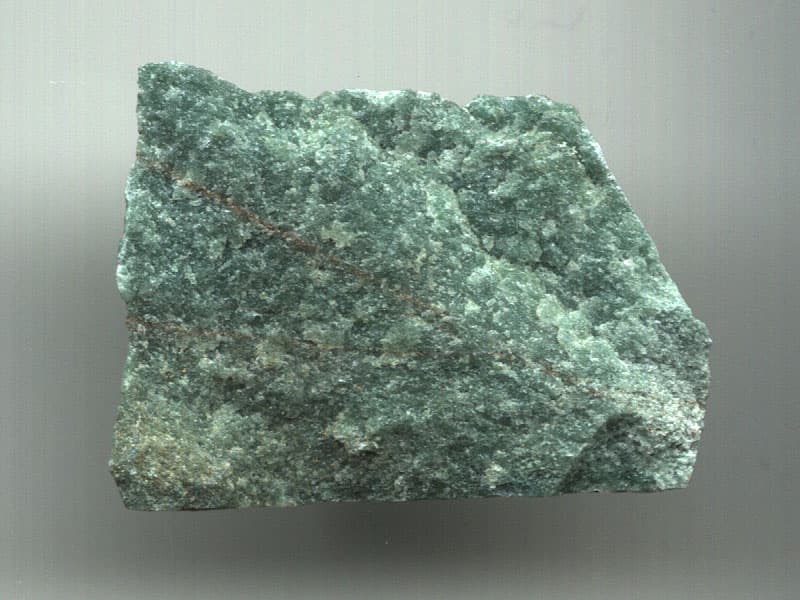
India
The shimmering green stone of opportunity and good luck, carried as the ultimate charm for attracting prosperity, positive outcomes, and the grace of fortunate timing.

Colombia
The Queen of Green, worn as the supreme charm of divine love, wisdom, and abundance flowing from the open heart.

