

2
General
🍀
Four-Leaf Clover
Ireland
The rarest clover mutation, treasured as nature's own lucky charm.
4.9Learn more →

Europe - Eastern
22 charms from this country
Russia's charm tradition blends Orthodox Christianity, pre-Christian Slavic folk belief, and the specific superstitions of one of the world's most superstitious cultures. The matryoshka (Russian nesting doll) is the most universally recognized Russian amulet symbol, representing the layers of the self and the protection of family within family. Russian folk belief includes specific lucky and unlucky actions in great detail: never whistle indoors (loses money), never shake hands across a threshold (causes quarrels), never give even numbers of flowers (even numbers are for funerals).
The horseshoe is hung above doors. The number seven is lucky, thirteen is unlucky. The domovoi — a household spirit who must be placated — is still believed in by many Russians, and specific offerings are left for it. The Russian Orthodox tradition produces specific protective objects: the natelniy krest (body cross worn since baptism), icons of specific protective saints, and holy water.
Ireland
The rarest clover mutation, treasured as nature's own lucky charm.
United Kingdom
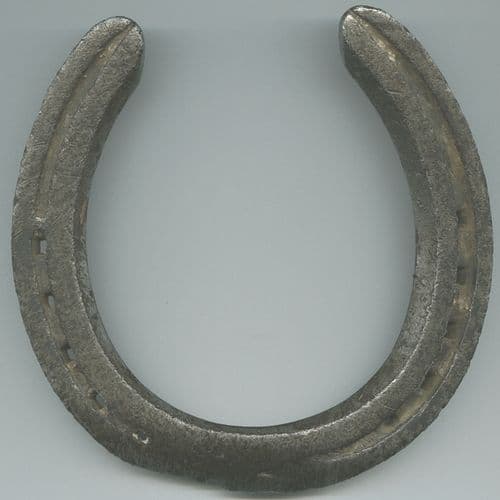
An iron crescent hung above doorways to catch and hold good luck.

United Kingdom
The spotted red beetle that brings good fortune to whoever it lands upon.
United Kingdom
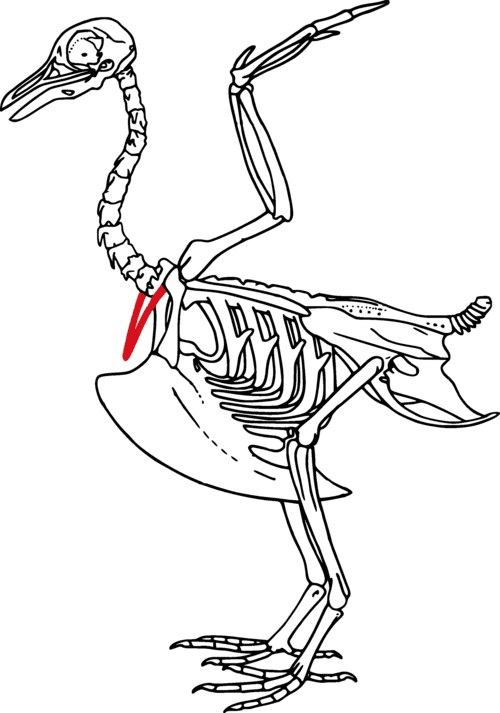
The forked bird bone over which two people compete for their heart's desire.

United Kingdom
The humble copper coin that promises a turn of fortune when found heads-up.

Brazil
The golden abundance crystal, known as the Merchant's Stone, carried to attract wealth, success, and the warm energy of solar prosperity.

Early Christianity (Rome)
The Crucifix — a cross bearing the corpus (body) of Christ — is the central symbol of Christianity and one of the most powerful protective charms in the Western world.
Medieval Europe
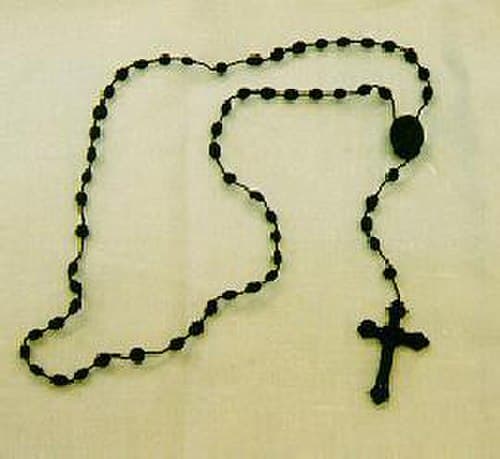
Rosary beads are the most recognizable Catholic prayer tool in the world, used by hundreds of millions for meditative prayer, protection, and the invocation of divine grace.

United Kingdom
The most universally lucky number in Western culture, encoded in the cosmos itself.

Russia
Russian nesting dolls symbolizing fertility, family, and infinite possibility within.

Russia
Jeweled egg charms inspired by Imperial Russia's most opulent symbols of wealth and divine favor.
Russia
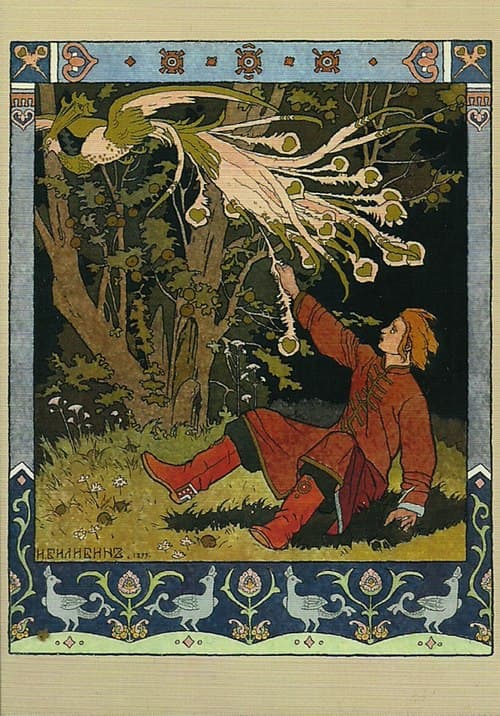
The mythical glowing bird of Slavic folklore that brings both great fortune and great challenge to those who pursue it.
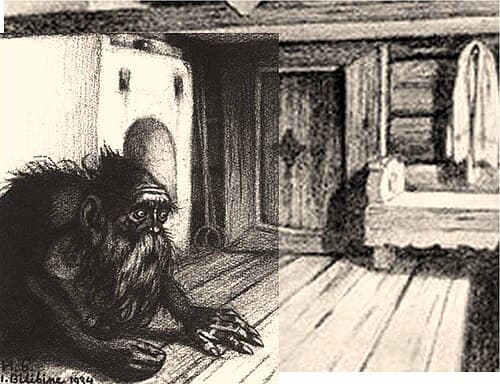
Russia
The ancient Slavic household spirit who guards the home and family when properly respected.
Russia
The Russian iron horseshoe hung points-up above doorways to catch and hold good fortune.

Russia
The ambiguous forest witch of Slavic lore whose wisdom and tests transform the worthy into heroes.

Spain
The golden metallic mineral of abundance and confidence, carried as a charm to attract wealth, repel negative energy, and activate the solar will to succeed.

Afghanistan
The royal blue stone of wisdom and truth, carried as a charm of intellectual power, inner vision, and the authority of those who speak truth to power.
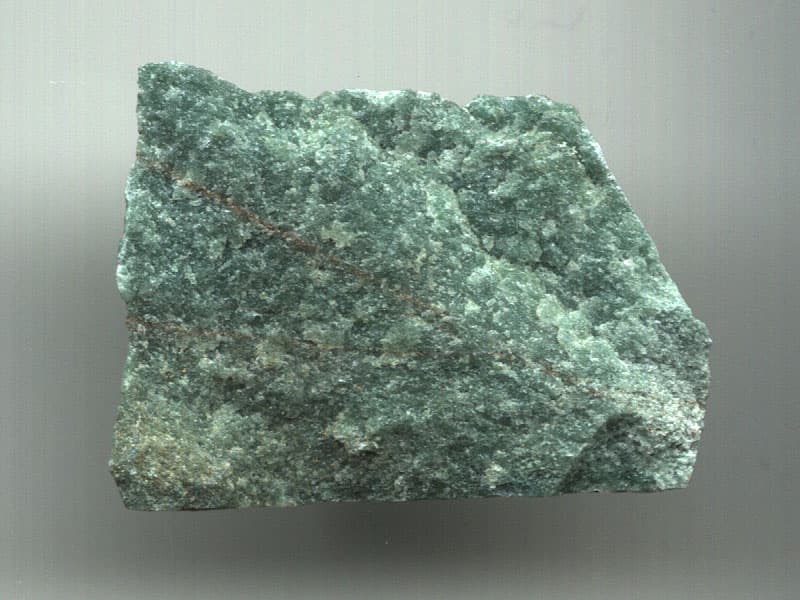
India
The shimmering green stone of opportunity and good luck, carried as the ultimate charm for attracting prosperity, positive outcomes, and the grace of fortunate timing.

Democratic Republic of Congo
The banded green stone of transformation and protection, worn as a charm for deep emotional healing, bold change, and the amplification of intention.
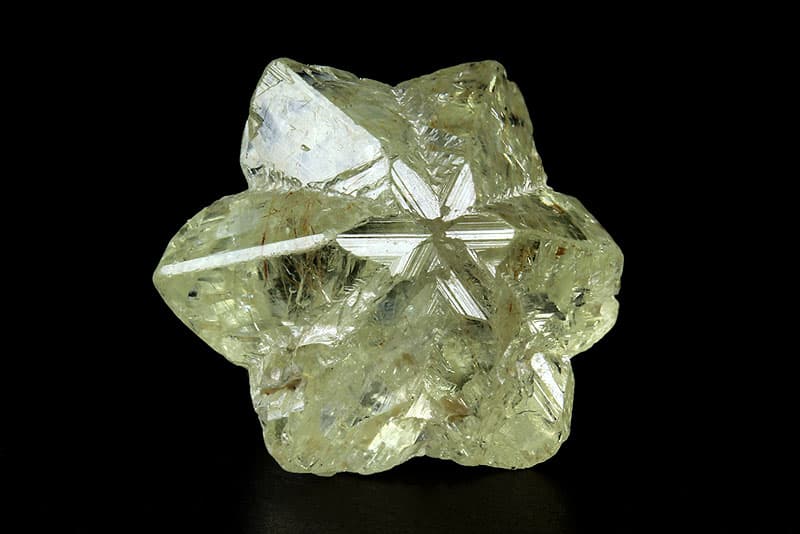
Russia
The magical colour-changing chrysoberyl of imperial Russia, worn as a charm of adaptability, balance between worlds, and the astonishing capacity to be more than one thing at once.
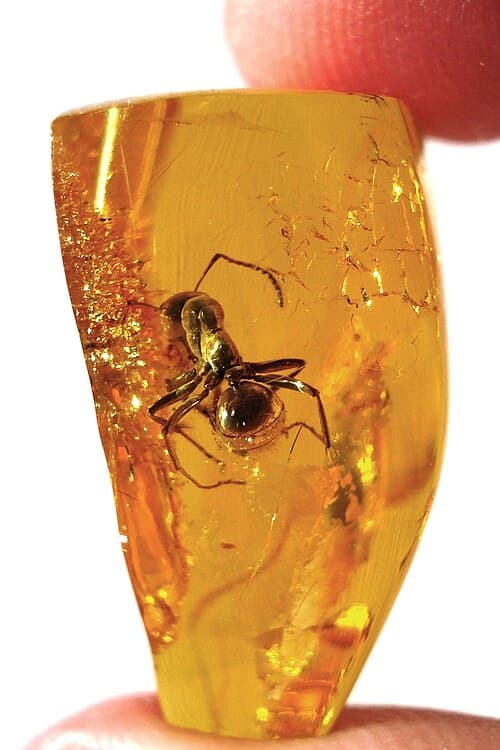
Lithuania
Ancient tree resin turned to golden stone over millions of years, carried as a charm of healing warmth, timeless wisdom, and the sun's preserved light.

Brazil
The golden gem of authentic truth and abundant joy, carried as a charm for manifesting desires, expressing personal truth, and attracting magnificent good fortune.

