

353
General
🪆
Matryoshka (Nesting Doll)
Russia
Russian nesting dolls symbolizing fertility, family, and infinite possibility within.
4.8Learn more →

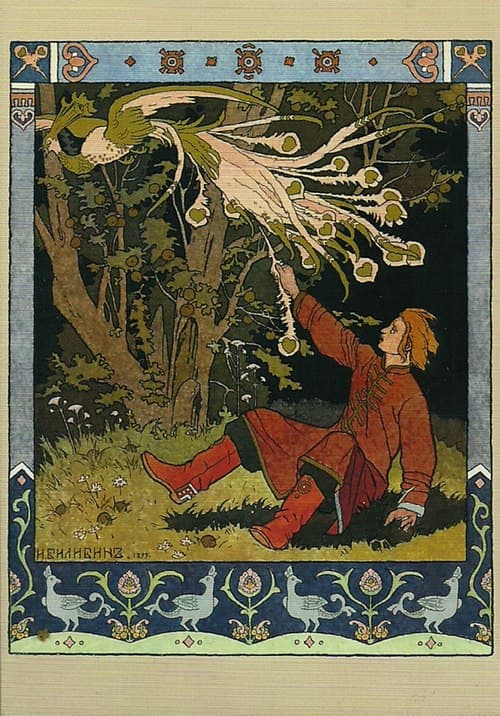
The mythical glowing bird of Slavic folklore that brings both great fortune and great challenge to those who pursue it.
The Firebird, known in Russian as Zhar-Ptitsa, is among the most magnificent creatures in Slavic mythology. Its feathers glow like living flame, and even a single dropped feather can light a dark room. In countless Russian fairy tales, a hero's journey begins when he glimpses the Firebird and is tasked — often by a tsar — with capturing it. The quest is perilous but always transforms the hero, granting him wisdom, love, and ultimately a kingdom.
As a lucky charm, the Firebird represents the pursuit of exceptional goals and the courage required to chase brilliance. Its feather is the ultimate token of ambition blessed by fate. The Firebird doesn't come to the passive or timid; it rewards those who dare to pursue something extraordinary, making it the patron charm of artists, entrepreneurs, and visionaries.
In Russian folk tradition, an image of the Firebird placed in a creative workspace or above a front door is believed to draw inspiring energy and ward off stagnation, inviting the golden light of opportunity into the space.
The Russian Firebird (Zhar-Ptitsa) traces its origins to Russia, where it has been revered for generations as a powerful symbol of achievement and ambition. Historical records and oral traditions suggest that early versions of this charm appeared centuries ago, when communities in Russia first began attributing supernatural qualities to objects drawn from their natural and spiritual environment.
Over time, the Russian Firebird (Zhar-Ptitsa) evolved from a regional folk object into a widely recognized talisman. Traders, travelers, and migrants carried it across borders, introducing it to new cultures that often adopted and adapted it to fit their own belief systems. Today it is found in russia and beyond, each culture adding its own layer of meaning and ritual to the charm's enduring legacy.
In its homeland of Russia, the Russian Firebird (Zhar-Ptitsa) occupies a revered place in both daily life and ceremonial practice. It is not merely decorative — it is woven into the fabric of cultural identity, appearing in celebrations, rites of passage, and household traditions that have been passed down through generations.
Beyond Russia, the Russian Firebird (Zhar-Ptitsa) has gained recognition in russia and other regions, where it is valued for its symbolic connection to personal achievement. Scholars of material culture and anthropologists note that charms like the Russian Firebird (Zhar-Ptitsa) serve a dual psychological function: they provide a tangible focus for hope and intention, and they connect their owners to a living cultural tradition that transcends individual experience.
To get the most from your Russian Firebird (Zhar-Ptitsa), keep it in a place where you will see it daily — on a desk, nightstand, or near your front entrance. Physical proximity reinforces the intention behind the charm and serves as a regular reminder of your goals.
Traditional practice recommends handling the charm with clean hands and respectful intention. Many practitioners in Russia advise setting a clear purpose when you first acquire the charm: hold it, state your wish or goal silently or aloud, and then place it in its chosen position. Periodically cleansing the charm — by passing it through incense smoke, placing it under moonlight, or simply wiping it with a clean cloth — is believed to refresh its energy.
If the charm is meant to be worn (as jewelry or a carried token), keep it close to your body throughout the day. If it is a household object, place it in the area of your home most associated with its purpose — for example, near a workspace for success charms, or by the bed for love and health charms.
Inspired ambition, magical transformation, the courage to pursue brilliance, and rewards that come to the brave seeker.
Place a Firebird image or charm in your creative workspace or office to attract inspired ideas. Before beginning an ambitious new project, meditate on the Firebird's golden light filling the endeavor with transformative energy.
Igor Stravinsky's 1910 ballet 'The Firebird,' composed for Sergei Diaghilev's Ballets Russes, introduced the Zhar-Ptitsa legend to international audiences and remains one of classical music's most beloved works. The premiere transformed both Stravinsky and Russian culture's global profile overnight.
The Firebird is primarily an attraction charm for success and inspiration, though its luminous energy also wards off darkness and stagnation. It's best used when embarking on ambitious new endeavors.
In the original tales, those who pursue the Firebird without pure intent or courage face hardships. The charm works best for those acting from genuine passion and honest ambition rather than greed.
Gold, orange, and red are essential. Some traditions include peacock-blue tail feathers. Avoid dark versions — the Firebird's power is entirely in its luminosity.
The Russian Firebird (Zhar-Ptitsa) originates from Russia, where it has been used as a success charm for centuries. Its influence has since spread to russia and many other regions worldwide.
Place a Firebird image or charm in your creative workspace or office to attract inspired ideas. Before beginning an ambitious new project, meditate on the Firebird's golden light filling the endeavor with transformative energy. For best results, set a clear intention when you first acquire the charm and keep it in a prominent, respectful location.
Yes, giving a Russian Firebird (Zhar-Ptitsa) as a gift is considered a generous and meaningful gesture in most traditions. In Russia, gifted charms are often believed to carry even stronger energy than those purchased for oneself, because they come with the goodwill and intention of the giver.
Many practitioners recommend periodically cleansing your Russian Firebird (Zhar-Ptitsa) to refresh its energy. Common methods include passing it through incense smoke, placing it in moonlight overnight, rinsing it under clean water (if the material allows), or simply wiping it down with a clean cloth while setting a fresh intention.
While the Russian Firebird (Zhar-Ptitsa) originated in the cultural traditions of Russia, it is not exclusive to any single religion. It has been adopted and adapted by people of many faiths and backgrounds, each bringing their own interpretation to its symbolism and use.
Russia
Russian nesting dolls symbolizing fertility, family, and infinite possibility within.
Russia
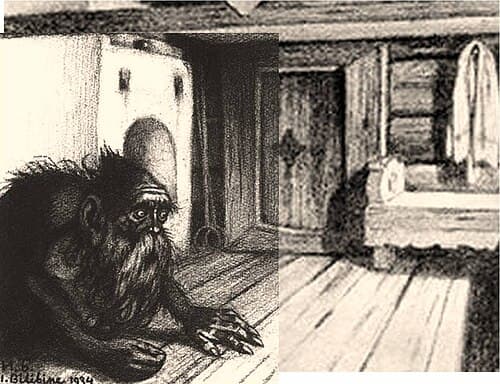
The ancient Slavic household spirit who guards the home and family when properly respected.
Poland
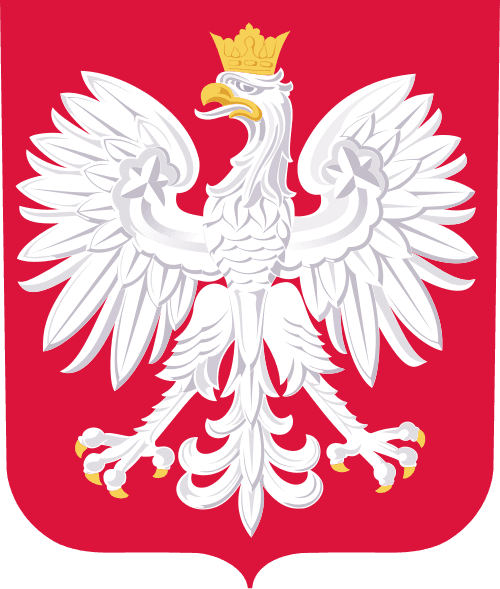
Poland's heraldic eagle — the crowned white eagle on red — symbol of national strength, sovereignty, and enduring courage.

