
355
Success
🦅
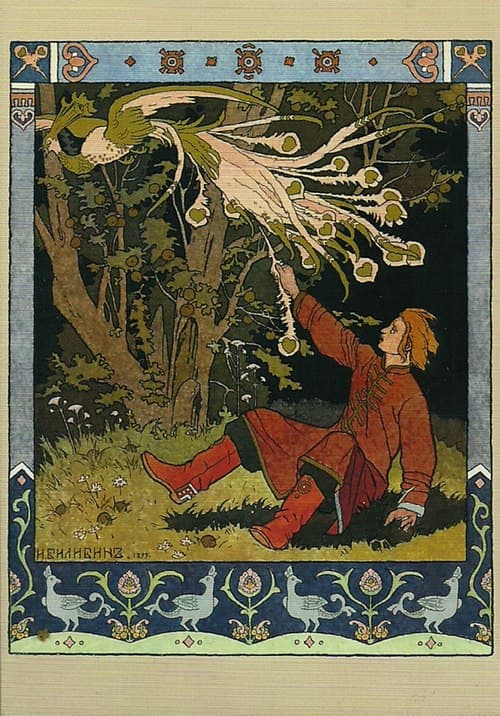
Russian Firebird (Zhar-Ptitsa)
Russia
The mythical glowing bird of Slavic folklore that brings both great fortune and great challenge to those who pursue it.
4.6Learn more →


Russian nesting dolls symbolizing fertility, family, and infinite possibility within.
The Matryoshka, or Russian nesting doll, is one of the world's most iconic folk art symbols. First created in 1890 by craftsman Vasily Zvyozdochkin and painted by Sergei Malyutin, the doll features a series of hollow wooden figures that nest inside one another, each revealing a smaller figure within. Traditionally depicting a rosy-cheeked peasant woman in a kokoshnik headdress, the matryoshka has become the defining symbol of Russian folk culture.
As a lucky charm, the matryoshka represents the infinite potential hidden within every person and situation. The concept of discovery — opening one doll to find another — speaks to life's layered nature and the rewards of patient exploration. Families treasure matryoshkas as symbols of fertility and generational continuity, with the largest doll representing the mother and each nested figure a child within.
In Russian folk belief, gifting a matryoshka to a newly married couple or an expectant mother carries powerful blessings for family growth and prosperity. The more dolls nested within, the greater the good fortune conveyed.
The Matryoshka (Nesting Doll) traces its origins to Russia, where it has been revered for generations as a powerful symbol of good fortune and positive energy. Historical records and oral traditions suggest that early versions of this charm appeared centuries ago, when communities in Russia first began attributing supernatural qualities to objects drawn from their natural and spiritual environment.
Over time, the Matryoshka (Nesting Doll) evolved from a regional folk object into a widely recognized talisman. Traders, travelers, and migrants carried it across borders, introducing it to new cultures that often adopted and adapted it to fit their own belief systems. Today it is found in russia and beyond, each culture adding its own layer of meaning and ritual to the charm's enduring legacy.
In its homeland of Russia, the Matryoshka (Nesting Doll) occupies a revered place in both daily life and ceremonial practice. It is not merely decorative — it is woven into the fabric of cultural identity, appearing in celebrations, rites of passage, and household traditions that have been passed down through generations.
Beyond Russia, the Matryoshka (Nesting Doll) has gained recognition in russia and other regions, where it is valued for its symbolic connection to universal good luck. Scholars of material culture and anthropologists note that charms like the Matryoshka (Nesting Doll) serve a dual psychological function: they provide a tangible focus for hope and intention, and they connect their owners to a living cultural tradition that transcends individual experience.
To get the most from your Matryoshka (Nesting Doll), keep it in a place where you will see it daily — on a desk, nightstand, or near your front entrance. Physical proximity reinforces the intention behind the charm and serves as a regular reminder of your goals.
Traditional practice recommends handling the charm with clean hands and respectful intention. Many practitioners in Russia advise setting a clear purpose when you first acquire the charm: hold it, state your wish or goal silently or aloud, and then place it in its chosen position. Periodically cleansing the charm — by passing it through incense smoke, placing it under moonlight, or simply wiping it with a clean cloth — is believed to refresh its energy.
If the charm is meant to be worn (as jewelry or a carried token), keep it close to your body throughout the day. If it is a household object, place it in the area of your home most associated with its purpose — for example, near a workspace for success charms, or by the bed for love and health charms.
Fertility, family unity, hidden potential, generational blessings, and the layered richness of life's journey.
Display a matryoshka charm in the home's heart — the kitchen or living room — to bless the family. Pregnant women may keep a small one nearby to invite safe delivery and a healthy child. Open and close the doll mindfully when seeking clarity about a layered problem.
The world's largest matryoshka set, housed in the Sergiev Posad Museum of Toys near Moscow, contains 51 nested figures. The name 'Matryoshka' derives from the Latin name Matrona, meaning 'noble woman' or 'mother.'
Traditionally, 5, 7, or 9 dolls are considered most auspicious, as odd numbers carry lucky energy in Russian folk tradition. A set of 7 is especially prized for attracting family blessings.
Gifting a matryoshka is actually considered the most powerful way to share its luck. The act of giving multiplies the blessing for both the giver and recipient.
Keep it closed to symbolize potential held within; open it during celebrations of family milestones to release its gathered blessings.
The Matryoshka (Nesting Doll) originates from Russia, where it has been used as a general charm for centuries. Its influence has since spread to russia and many other regions worldwide.
Display a matryoshka charm in the home's heart — the kitchen or living room — to bless the family. Pregnant women may keep a small one nearby to invite safe delivery and a healthy child. Open and close the doll mindfully when seeking clarity about a layered problem. For best results, set a clear intention when you first acquire the charm and keep it in a prominent, respectful location.
Yes, giving a Matryoshka (Nesting Doll) as a gift is considered a generous and meaningful gesture in most traditions. In Russia, gifted charms are often believed to carry even stronger energy than those purchased for oneself, because they come with the goodwill and intention of the giver.
Many practitioners recommend periodically cleansing your Matryoshka (Nesting Doll) to refresh its energy. Common methods include passing it through incense smoke, placing it in moonlight overnight, rinsing it under clean water (if the material allows), or simply wiping it down with a clean cloth while setting a fresh intention.
While the Matryoshka (Nesting Doll) originated in the cultural traditions of Russia, it is not exclusive to any single religion. It has been adopted and adapted by people of many faiths and backgrounds, each bringing their own interpretation to its symbolism and use.
Russia
The mythical glowing bird of Slavic folklore that brings both great fortune and great challenge to those who pursue it.
Russia
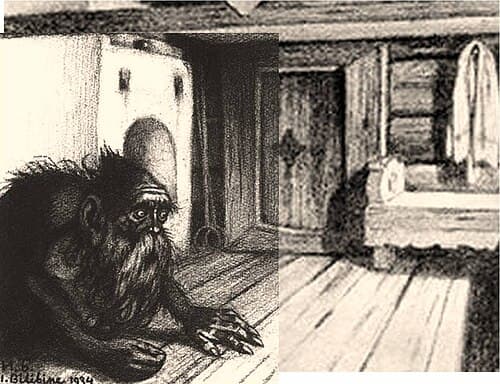
The ancient Slavic household spirit who guards the home and family when properly respected.

Ukraine
Ukraine's intricately wax-resist decorated Easter eggs — among the world's most complex folk art forms and most powerful blessing objects.

