
3
Protection
🧲
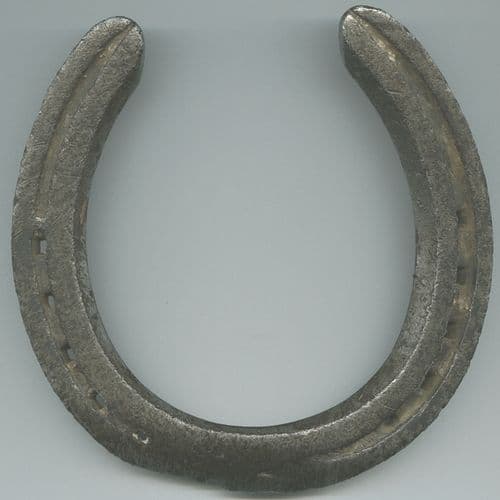
Horseshoe
United Kingdom
An iron crescent hung above doorways to catch and hold good luck.
4.7Learn more →


The humble copper coin that promises a turn of fortune when found heads-up.
The lucky penny is the most democratic of all European charms — available to anyone who walks with eyes open and doesn't rush past the small surprises that life places underfoot. The specific belief that a penny found lying heads-up brings good luck while one found tails-up should be turned over and left for the next person encapsulates a philosophy of shared fortune: luck is a resource to be circulated rather than hoarded.
The association between coins and luck is ancient, predating the penny by millennia. Romans threw coins into springs and fountains as offerings to water deities, a practice that continues at the Trevi Fountain in Rome where visitors throw over a million euros worth of coins annually. Medieval Europeans placed coins in foundation stones, beneath thresholds, and in the mouths of the dead to pay for their passage to the next world. The lucky penny distils these ancient coin-magic traditions into an everyday encounter.
In British tradition, a silver coin given to a bride ensures she will never want for money — the 'sixpence in her shoe' tradition. A new coin given to a newborn child is believed to set the child on a path of prosperity. The phrase 'a penny for your thoughts' reflects a different dimension of coin luck: the idea that paying even a small coin-tribute for someone's wisdom honours the exchange.
The lucky penny represents the idea that fortune announces itself in small signs and that attentiveness to the world — keeping your eyes open — is itself a form of good luck. It symbolises that wealth, however modest, is a form of grace, and that the willingness to pass luck along (by leaving a tails-up penny heads-up for the next person) multiplies good fortune rather than diminishing it.
When you find a heads-up penny, pick it up, make a wish, and keep it in your left pocket (closest to the heart). If you find a tails-up penny, flip it heads-up and leave it for someone else — this act is believed to generate good karma that returns to you multiplied. A penny in a new wallet or purse given as a gift ensures the wallet will never be empty.
The rhyme 'See a penny, pick it up, all the day you'll have good luck' dates to at least the 19th century, but the belief it encodes is much older. In the early modern period, the rhyme often specified that only a heads-up penny should be collected — the verse has simplified over time while losing that nuance.
Copper pennies have the longest association with luck in British tradition. However, the principle extends to any found coin — the luck comes from the act of finding and the mindset of receptivity, not the specific metal.
The heads side of a coin bore the monarch's portrait in most historical traditions, making it the face of divine authority. Tails represented the mundane or profane side. A coin showing its king or god face-down was interpreted as an unfavourable omen.
The rhyme 'Something old, something new, something borrowed, something blue, and a silver sixpence in her shoe' prescribes that a bride should carry a silver sixpence (or any silver coin) in her left shoe for financial luck in the marriage. The tradition continues with commemorative sixpences sold specifically for brides.
United Kingdom
An iron crescent hung above doorways to catch and hold good luck.
United Kingdom
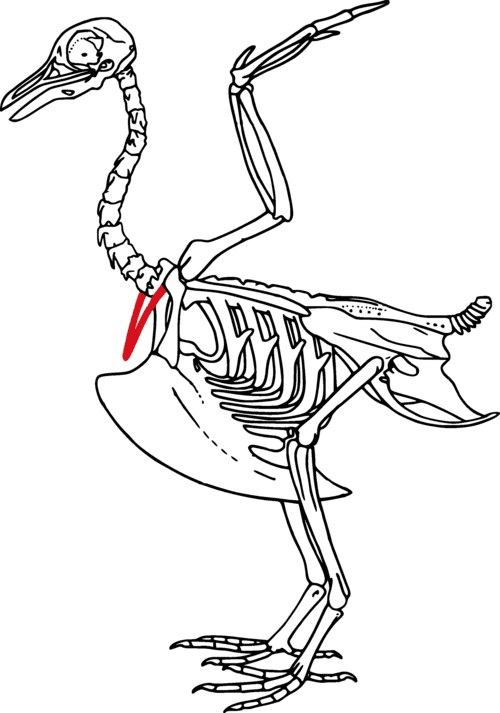
The forked bird bone over which two people compete for their heart's desire.

United Kingdom
The most universally lucky number in Western culture, encoded in the cosmos itself.

