

20
Wealth
🪙
Lucky Penny
United Kingdom
The humble copper coin that promises a turn of fortune when found heads-up.
4.3Learn more →

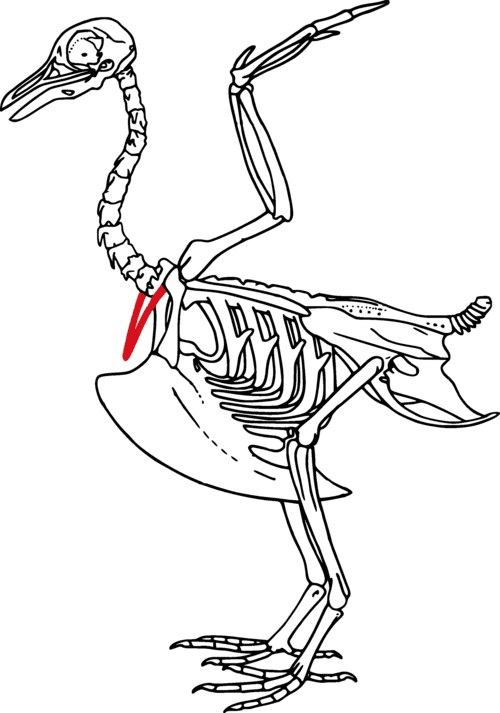
The forked bird bone over which two people compete for their heart's desire.
The wishbone tradition — two people each taking one side of a dried bird's furcula bone and pulling until it snaps, with the holder of the longer piece getting their wish — is one of Europe's most tactile and participatory lucky charms. The ritual transforms an ordinary meal's byproduct into a moment of genuine anticipation, communal play, and the hopeful articulation of desire.
The practice originated in ancient Etruria (modern Tuscany) where chickens were used as oracles. The Etruscans would lay out the bird's dried clavicle in the sun and allow the public to stroke it while making wishes — the 'lucky bone' that people touched before it was broken is the direct ancestor of our wishbone. The Romans adopted the practice from the Etruscans, spread it through their empire, and it eventually arrived in Britain where it became embedded in post-harvest celebration customs.
The wishbone's power is concentrated in the moment of rupture: the wish must be made before the pull begins, silently held in the mind, and not shared with anyone — speaking a wish aloud is widely believed to reduce its potency. The physical act of two people pulling on opposite ends makes the wishbone one of the few lucky charms that requires a social partner, embedding good fortune in a shared moment.
The wishbone represents the ancient human desire to influence fate through ritual action. The competitive element — only one person gets their wish — acknowledges that luck is not unlimited and that fortune must sometimes be actively pursued rather than passively awaited. The forked shape is also a symbol of choices and paths diverging from a single point.
After a roast chicken or turkey meal, remove the furcula (the forked bone in the chest), wash it, and allow it to dry for at least 24 hours or until fully brittle. Two participants each grip one arm of the fork with a pinky finger, make a silent wish, and pull simultaneously. The holder of the longer piece receives their wish.
In medieval England, the wishbone was called the 'merrythought' — the merry thought of a wish — and the tradition was a standard part of Christmas and harvest feast celebrations. The shift to 'wishbone' occurred gradually in the 17th and 18th centuries.
In most versions of the tradition, yes — the larger piece wins. However, some regional variations hold that if both pieces are exactly equal in length, both wishers get their wish, making an even break the luckiest possible outcome.
Yes — gold and silver wishbone pendants are popular jewellery items, particularly as gifts for people starting new chapters in life. The charm carries the symbolic meaning of the tradition without requiring a bird.
The belief that spoken wishes lose their power is widespread across European magical traditions. Keeping a wish internal is thought to concentrate its energy and prevent others from inadvertently counteracting it with their own desires or scepticism.
United Kingdom
The humble copper coin that promises a turn of fortune when found heads-up.
United Kingdom
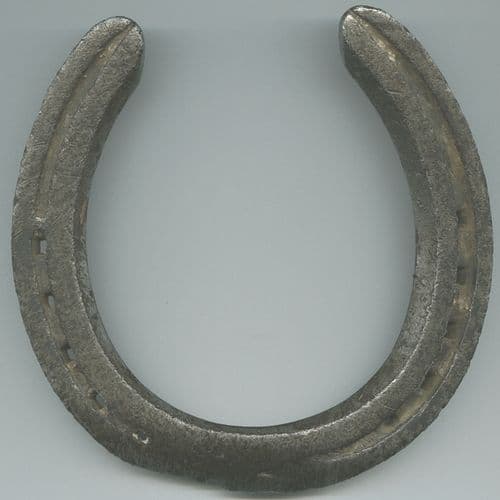
An iron crescent hung above doorways to catch and hold good luck.
United Kingdom
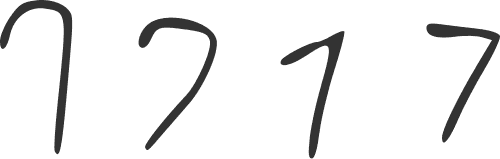
The most universally lucky number in Western culture, encoded in the cosmos itself.

