
356
Protection
🏠
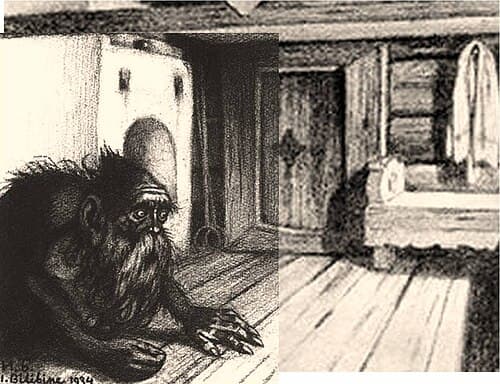
Domovoy (House Spirit)
Russia
The ancient Slavic household spirit who guards the home and family when properly respected.
4.5Learn more →

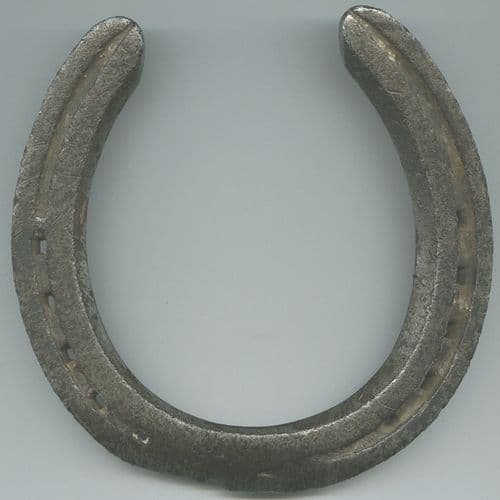
The Russian iron horseshoe hung points-up above doorways to catch and hold good fortune.
The Podkova — Russian for horseshoe — shares the universal horseshoe's lucky associations but carries specific Slavic traditions that make it uniquely powerful. In Russian folk belief, iron is a metal that repels evil spirits, and the horseshoe's curved shape collects and concentrates lucky energy from the universe. Finding a horseshoe on the road is considered exceptionally fortunate, as it has been blessed by a working horse's labor.
The orientation debate — points up or points down — is resolved in Russian tradition clearly in favor of points up, like a cup overflowing with luck. A horseshoe hung above the front door with points upward ensures that every person who enters brings positive energy and that the home's good fortune never drains away. Some households hammer the horseshoe with seven nails for added protection.
Russian horseshoe charms are often given as housewarming gifts, wedding presents, and New Year's tokens. A horseshoe charm worn as jewelry — typically silver or iron — is believed to protect the wearer during travel and attract financial opportunities.
The Podkova (Russian Horseshoe) traces its origins to Russia, where it has been revered for generations as a powerful symbol of prosperity and abundance. Historical records and oral traditions suggest that early versions of this charm appeared centuries ago, when communities in Russia first began attributing supernatural qualities to objects drawn from their natural and spiritual environment.
Over time, the Podkova (Russian Horseshoe) evolved from a regional folk object into a widely recognized talisman. Traders, travelers, and migrants carried it across borders, introducing it to new cultures that often adopted and adapted it to fit their own belief systems. Today it is found in russia and beyond, each culture adding its own layer of meaning and ritual to the charm's enduring legacy.
In its homeland of Russia, the Podkova (Russian Horseshoe) occupies a revered place in both daily life and ceremonial practice. It is not merely decorative — it is woven into the fabric of cultural identity, appearing in celebrations, rites of passage, and household traditions that have been passed down through generations.
Beyond Russia, the Podkova (Russian Horseshoe) has gained recognition in russia and other regions, where it is valued for its symbolic connection to financial prosperity. Scholars of material culture and anthropologists note that charms like the Podkova (Russian Horseshoe) serve a dual psychological function: they provide a tangible focus for hope and intention, and they connect their owners to a living cultural tradition that transcends individual experience.
To get the most from your Podkova (Russian Horseshoe), keep it in a place where you will see it daily — on a desk, nightstand, or near your front entrance. Physical proximity reinforces the intention behind the charm and serves as a regular reminder of your goals.
Traditional practice recommends handling the charm with clean hands and respectful intention. Many practitioners in Russia advise setting a clear purpose when you first acquire the charm: hold it, state your wish or goal silently or aloud, and then place it in its chosen position. Periodically cleansing the charm — by passing it through incense smoke, placing it under moonlight, or simply wiping it with a clean cloth — is believed to refresh its energy.
If the charm is meant to be worn (as jewelry or a carried token), keep it close to your body throughout the day. If it is a household object, place it in the area of your home most associated with its purpose — for example, near a workspace for success charms, or by the bed for love and health charms.
Luck accumulation, protection from evil, safe travel, financial opportunity, and the blessings that come through honest labor.
Hang a horseshoe charm points-up above your front door or main entrance. Use seven nails if possible. For a carried charm, hang it in your car or bag with the opening facing upward. On New Year's Day, touch the charm and set your luck intention for the year.
In Russian folk tradition, a horseshoe found at a crossroads — where different paths meet — is considered three times as lucky as one found anywhere else, as crossroads are believed to be places where the veil between ordinary and magical reality is thinnest.
Iron is most traditional because of its spirit-repelling properties. Silver is used for jewelry versions. Avoid gold horseshoes as protection charms — gold attracts wealth but lacks iron's protective qualities.
Pick it up promptly and re-hang it — no lasting bad luck results. Clean it, thank it for its service, and rehang it. Some say a fallen horseshoe has absorbed negativity it was protecting against.
Horseshoe gifts are among Russia's most beloved good-luck presents, especially for new homes, marriages, and new businesses. Wrap it in red cloth for maximum luck transfer.
The Podkova (Russian Horseshoe) originates from Russia, where it has been used as a wealth charm for centuries. Its influence has since spread to russia and many other regions worldwide.
Hang a horseshoe charm points-up above your front door or main entrance. Use seven nails if possible. For a carried charm, hang it in your car or bag with the opening facing upward. On New Year's Day, touch the charm and set your luck intention for the year. For best results, set a clear intention when you first acquire the charm and keep it in a prominent, respectful location.
Yes, giving a Podkova (Russian Horseshoe) as a gift is considered a generous and meaningful gesture in most traditions. In Russia, gifted charms are often believed to carry even stronger energy than those purchased for oneself, because they come with the goodwill and intention of the giver.
Many practitioners recommend periodically cleansing your Podkova (Russian Horseshoe) to refresh its energy. Common methods include passing it through incense smoke, placing it in moonlight overnight, rinsing it under clean water (if the material allows), or simply wiping it down with a clean cloth while setting a fresh intention.
While the Podkova (Russian Horseshoe) originated in the cultural traditions of Russia, it is not exclusive to any single religion. It has been adopted and adapted by people of many faiths and backgrounds, each bringing their own interpretation to its symbolism and use.
Russia
The ancient Slavic household spirit who guards the home and family when properly respected.
Hungary
The Magyar horseshoe charm bearing Pannonian luck traditions from Hungary's equestrian heritage.
Poland
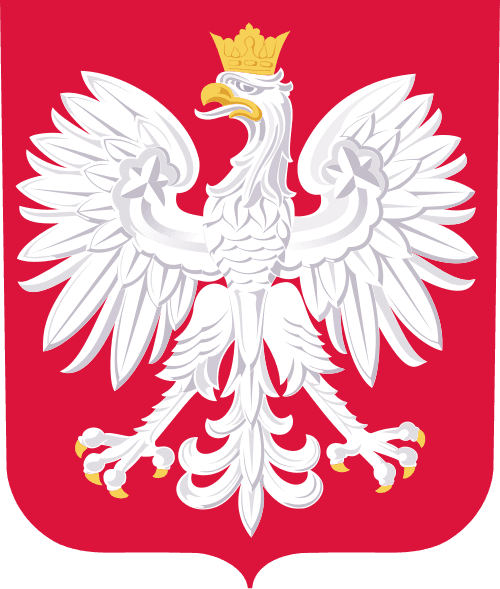
Poland's heraldic eagle — the crowned white eagle on red — symbol of national strength, sovereignty, and enduring courage.

