

20
Wealth
🪙
Lucky Penny
United Kingdom
The humble copper coin that promises a turn of fortune when found heads-up.
4.3Learn more →

The German lucky penny, a coin charm that anchors prosperity in the home.
The Glückspfennig — literally 'luck penny' — is the German tradition of keeping a specific coin as a prosperity talisman. Unlike the British lucky penny tradition which focuses on found coins, the German Glückspfennig is often a deliberate gift: a coin given at New Year, at a housewarming, or to a child at birth as a first investment in their fortune. The coin is not spent but kept — its value lies not in its purchasing power but in its accumulated luck-holding capacity.
The tradition reflects the German cultural value placed on fiscal prudence and the careful stewardship of resources. A coin kept rather than spent represents the self-discipline at the heart of good fortune: the understanding that wealth is built through preservation as much as through earning. The Glückspfennig bridges the magical and the practical, suggesting that good luck and careful management are natural companions.
Historically, specific coins were considered especially powerful Glückspfennige. Old silver Thaler coins, particularly those minted in a year of personal significance, were treasured luck objects. The first pfennig earned in a new business venture was always set aside as a Glückspfennig rather than put in the till — a tradition that persists in modified form in modern Germany where the first euro coin earned by a new enterprise is sometimes framed and hung in the business.
The Glückspfennig represents the belief that material prosperity has a spiritual dimension — that the act of setting something aside, honouring it, and refusing to convert it back into mere purchasing power creates a nucleus of abundance around which more wealth naturally accumulates. It embodies the German concept of Sparsamkeit (thrift) elevated to a moral and magical virtue.
Choose a coin that has personal significance — the year of your birth, the year of a meaningful event, or the first coin earned in a new venture. Keep it in a specific place: a special compartment of your wallet, a small box on your windowsill, or mounted in a frame. Never spend it and never lend it. At New Year, take it out, hold it, and make an intention for the year ahead.
The German tradition of placing a coin in the concrete of a new building's foundation stone — called Grundsteinlegung — is a form of Glückspfennig ritual that persists in modern construction. The ceremony typically involves the architect, builder, and future owner each placing a coin while making a wish for the building's future residents.
Traditionally, any coin works, but historically the silver Thaler was considered most powerful. Today, the first euro or the birth-year coin of the recipient is most common. Some people choose the highest-denomination coin available, reasoning that it already has more value to protect.
Most practitioners simply designate a new coin and begin again. The magic is in the intention and the practice of preservation rather than in any inherent power of a specific coin. The new Glückspfennig starts fresh rather than continuing the broken one.
Yes — giving a Glückspfennig to a newborn child or to a child on their first birthday is a tradition in many German families. The coin is often kept by parents until the child is old enough to be entrusted with it, at which point presenting it becomes a small rite of passage.
United Kingdom
The humble copper coin that promises a turn of fortune when found heads-up.

Germany
The pink porker at the heart of Germanic New Year luck traditions.
United Kingdom
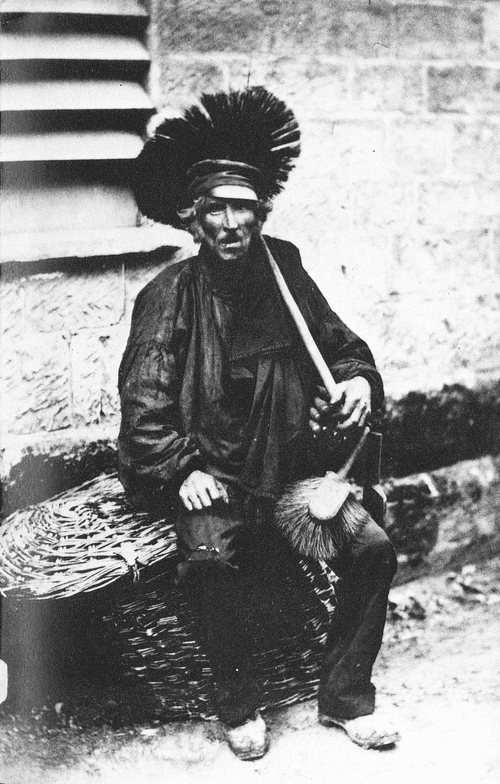
The soot-covered bringer of luck whose handshake at a wedding guarantees happiness.

