
3
Protection
🧲
Horseshoe
United Kingdom
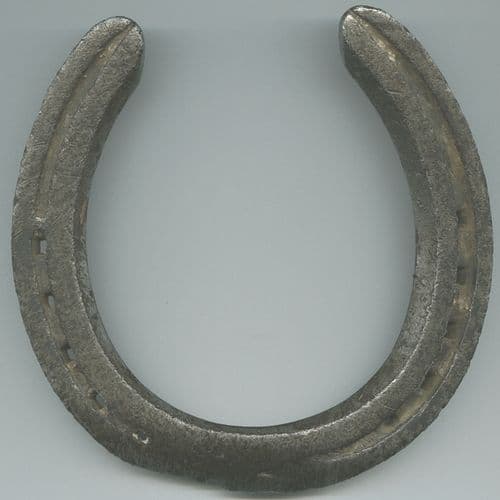
An iron crescent hung above doorways to catch and hold good luck.
4.7Learn more →

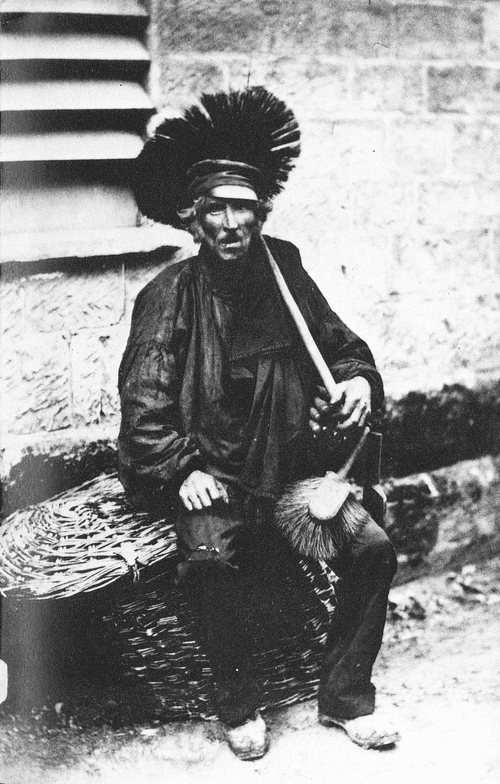
The soot-covered bringer of luck whose handshake at a wedding guarantees happiness.
Few lucky charms in European tradition have as specific and charming an origin story as the chimney sweep. The belief that encountering a chimney sweep — particularly at a wedding — guarantees good fortune is deeply embedded in British, German, and Austrian culture. Small marzipan, ceramic, or plastic chimney sweeps are among the most popular New Year and good luck gifts across German-speaking countries.
One popular origin story traces the lucky reputation to an 18th-century incident in which a chimney sweep saved King George II of England from a runaway horse. The grateful king declared chimney sweeps to be lucky, and the reputation spread throughout his kingdom and beyond. Whether or not this story is historically accurate, it captures something true about the symbolic weight of the chimney sweep: they worked with fire, kept homes safe from conflagration, and their sooty appearance marked them as workers who had mastered dangerous elements.
In German-speaking countries, the Schornsteinfeger (chimney sweep) figurine dressed in traditional black coat and top hat is one of the iconic good-luck tokens given at New Year alongside the pig, the four-leaf clover, the mushroom, and the horseshoe. Receiving a chimney sweep charm is considered a heartfelt wish that warmth, safety, and prosperity will fill the recipient's home in the coming year.
The chimney sweep symbolises warmth, domestic safety, and the good fortune that comes from diligent, skilled work. Their mastery of fire and smoke connects them to alchemical traditions of transformation. In wedding traditions, the sweep represents the clearing away of obstacles so that the couple's future path is clean and unobstructed.
In German tradition, gifting a chimney sweep figurine at New Year is a cherished custom — the recipient keeps it on their windowsill or mantelpiece throughout the year. At weddings, hiring an actual chimney sweep to attend and shake hands with the couple is still practised in parts of Germany and Britain. Touching a chimney sweep's button is said to transfer their luck to you.
In Germany, chimney sweeps (Schornsteinfeger) are still a licensed profession with strict training requirements, and they continue to make official annual visits to homes. Many homeowners deliberately time their greetings to touch the sweep's coat or shake hands, believing the luck transfer remains valid.
The tradition has multiple explanations, including the King George story. At a more symbolic level, a sweep clearing the chimney on a wedding day was seen as ensuring the new home would be warm, clean, and free from obstruction — a perfect metaphor for married life.
Traditional belief holds that an actual working sweep in their working clothes carries the most luck. However, figurines and representations are widely accepted as lucky gifts and are far more practical for everyday use.
The classic German Glückssymbole (luck symbols) set includes the chimney sweep, the pig, the four-leaf clover, the mushroom, the horseshoe, the fish scale (carp scale), and the ladybug — typically rendered in marzipan or chocolate for New Year gifts.
United Kingdom
An iron crescent hung above doorways to catch and hold good luck.

Germany
The pink porker at the heart of Germanic New Year luck traditions.

United Kingdom
The most universally lucky number in Western culture, encoded in the cosmos itself.

