

100
Success
🪃
Boomerang
Australia
The iconic returning weapon of Australia symbolising the universal law that what you send out always comes back.
4.6Learn more →


The paradoxical mammal of the Eastern Australian streams, carried as a charm for embracing contradiction and defying conventional expectations.
When European naturalists first encountered the platypus in 1799, they were so convinced the specimens were a hoax — a duck's bill sewn onto a beaver's body — that the scientist George Shaw took scissors to the dried skin searching for stitches. The platypus lays eggs, nurses its young on milk, uses electroreception to hunt underwater with its eyes closed, and the males carry venomous spurs on their hind legs. It is, by every conventional measure, impossible — and yet it thrives magnificently in the streams of eastern Australia. As a charm, the platypus celebrates the miraculous potential of things that should not work but do.
Aboriginal Dreamtime stories often feature the platypus as a liminal creature — belonging fully to water and land, to bird-kin and mammal-kin simultaneously. In many traditions it represents the power of inclusivity and the idea that apparent contradictions can coexist in a single, magnificent whole. Those who feel they do not fit neatly into social categories — creatives, cross-disciplinary thinkers, or people navigating multiple cultural identities — often feel a deep kinship with this impossible animal.
Carrying a platypus charm is an act of radical self-acceptance. It is particularly popular among innovators and entrepreneurs who have been told their ideas are unworkable, and among individuals navigating neurodivergence or non-traditional life paths. The charm whispers: the most extraordinary things in existence were first mistaken for impossibilities.
Embracing paradox, defying convention, radical authenticity, thriving at the intersection of multiple worlds, and the triumph of the impossible.
Keep the charm visible on your desk or workspace as a reminder to trust unconventional approaches. When others doubt your path or your vision, hold it briefly and recall that the platypus proved every doubter wrong simply by existing. Gift it to innovators, lateral thinkers, and anyone navigating an identity that defies easy categorisation.
The platypus has no stomach — food passes directly from the oesophagus to the intestine, which means its digestive process has no acid breakdown stage at all. Scientists believe it may have lost its stomach during evolution, making it one of the very few vertebrates to do so.
Its very existence represents the triumph of impossibility — it demonstrates that nature is far more creative than human categories suggest. Carrying its image invites that same expansive creativity into your own life.
Exceptionally so. It embodies the spirit of challenging assumptions and following evidence wherever it leads, even when the conclusions seem absurd. It is a favourite among researchers and unconventional thinkers.
It is a wonderful charm for children, encouraging them to celebrate what makes them unique rather than trying to fit a mould. The charm's whimsical, friendly form also makes it visually appealing to young people.
Australia
The iconic returning weapon of Australia symbolising the universal law that what you send out always comes back.

Australia
Australia's golden national flower, carried as a charm for joy, new beginnings, and the warmth of optimism in dark seasons.
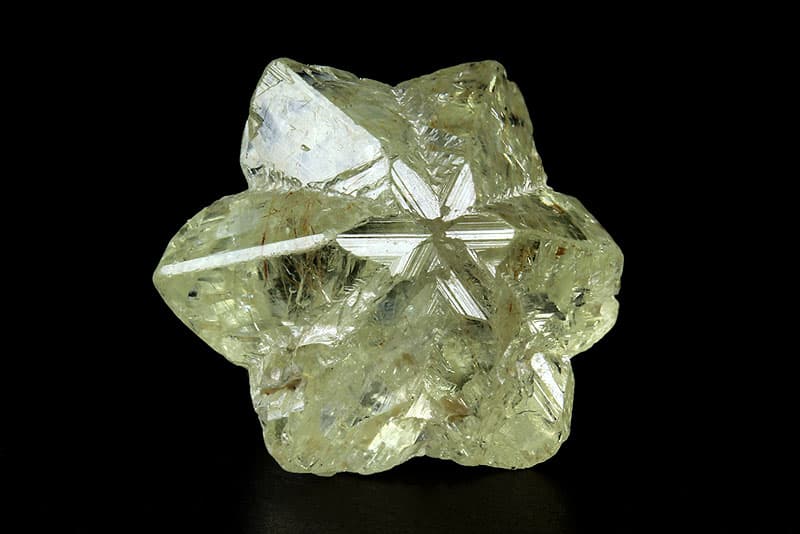
Russia
The magical colour-changing chrysoberyl of imperial Russia, worn as a charm of adaptability, balance between worlds, and the astonishing capacity to be more than one thing at once.

