
38
General
🪣
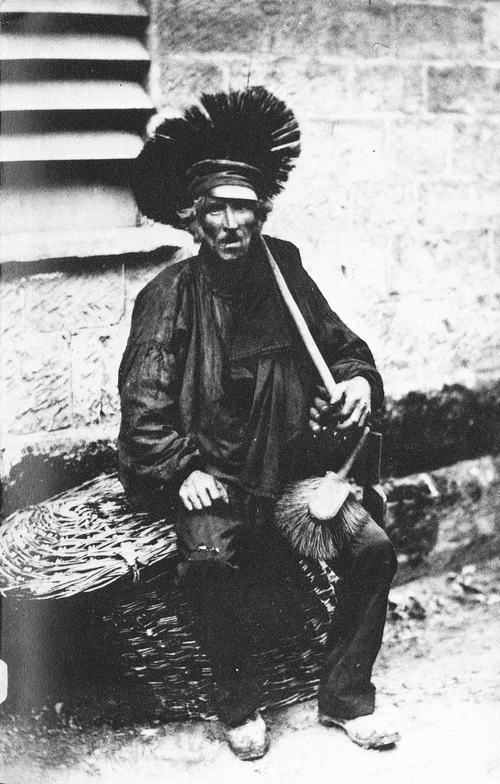
Chimney Sweep
United Kingdom
The soot-covered bringer of luck whose handshake at a wedding guarantees happiness.
4.4Learn more →

The specific German chimney sweep figurine given at New Year for warmth and safety all year.
The Schornsteinfeger — German chimney sweep — figurine is distinct from the general European chimney sweep charm tradition in its specific cultural embedding in the German New Year gift-giving system. In Germany, the chimney sweep is one of the six canonical Glückssymbole (luck symbols) given at Silvester (New Year's Eve) alongside the pig, the four-leaf clover, the mushroom, the horseshoe, and the ladybug. The Schornsteinfeger figurine is always depicted in precise professional attire: black coat and trousers, black top hat, black bag, and a small ladder — the tools of a trade still actively practised in Germany.
The German chimney sweep's luck associations have a specific domestic dimension that extends beyond the general European chimney sweep tradition. In Germany, the licensed Schornsteinfeger makes an official annual visit to every home to inspect the chimney and heating system — a state-mandated safety check that is taken very seriously. This official visit means that real German chimney sweeps arrive at homes throughout December and January, and householders still try to touch the sweep or shake their hand as they leave for the year-round luck it is believed to confer.
The marzipan Schornsteinfeger, shaped and painted to show the professional in full working attire, is one of the most elaborate and carefully executed of the German New Year marzipan figures. Lübeck, famous for its marzipan, produces Schornsteinfeger figures of remarkable detail. The figures are both edible gifts and decorative objects, sometimes kept rather than eaten as permanent luck anchors for the new year.
The Schornsteinfeger Figurine traces its origins to Germany, where it has been revered for generations as a powerful symbol of good fortune and positive energy. Historical records and oral traditions suggest that early versions of this charm appeared centuries ago, when communities in Germany first began attributing supernatural qualities to objects drawn from their natural and spiritual environment.
Over time, the Schornsteinfeger Figurine evolved from a regional folk object into a widely recognized talisman. Traders, travelers, and migrants carried it across borders, introducing it to new cultures that often adopted and adapted it to fit their own belief systems. Today it is found in germany, austria, switzerland and beyond, each culture adding its own layer of meaning and ritual to the charm's enduring legacy.
In its homeland of Germany, the Schornsteinfeger Figurine occupies a revered place in both daily life and ceremonial practice. It is not merely decorative — it is woven into the fabric of cultural identity, appearing in celebrations, rites of passage, and household traditions that have been passed down through generations.
Beyond Germany, the Schornsteinfeger Figurine has gained recognition in germany, austria, switzerland and other regions, where it is valued for its symbolic connection to universal good luck. Scholars of material culture and anthropologists note that charms like the Schornsteinfeger Figurine serve a dual psychological function: they provide a tangible focus for hope and intention, and they connect their owners to a living cultural tradition that transcends individual experience.
To get the most from your Schornsteinfeger Figurine, keep it in a place where you will see it daily — on a desk, nightstand, or near your front entrance. Physical proximity reinforces the intention behind the charm and serves as a regular reminder of your goals.
Traditional practice recommends handling the charm with clean hands and respectful intention. Many practitioners in Germany advise setting a clear purpose when you first acquire the charm: hold it, state your wish or goal silently or aloud, and then place it in its chosen position. Periodically cleansing the charm — by passing it through incense smoke, placing it under moonlight, or simply wiping it with a clean cloth — is believed to refresh its energy.
If the charm is meant to be worn (as jewelry or a carried token), keep it close to your body throughout the day. If it is a household object, place it in the area of your home most associated with its purpose — for example, near a workspace for success charms, or by the bed for love and health charms.
The Schornsteinfeger represents the safety of the hearth and home — the professional care that ensures warmth continues through winter without danger. He embodies the luck that comes from competent, responsible maintenance of the things we depend on, and the fortunate quality of having skilled professionals in our lives who keep us safe. His visit at year's end is a completion and a beginning simultaneously.
Give a Schornsteinfeger figurine at New Year as part of the traditional German Glückssymbole gift set. If you encounter a real German chimney sweep in their working clothes, touch their coat or shake their hand for year-round luck — this is expected and welcomed by German sweeps, who are accustomed to the tradition. Display a ceramic sweep in the home through the winter months.
Germany is one of the few countries where chimney sweeping remains a state-licensed and regulated profession with apprenticeship training. German Schornsteinfeger must pass qualifying examinations and maintain continuing professional development. Their annual home visits are not optional — homeowners in Germany are legally required to allow chimney sweeps access for safety inspections, making the sweep-as-luck-bringer a figure who arrives at the threshold whether invited or not.
The canonical six Glückssymbole are: the pig (Schwein), the four-leaf clover (Kleeblatt), the chimney sweep (Schornsteinfeger), the mushroom (Pilz/Fliegenpilz), the horseshoe (Hufeisen), and the ladybug (Marienkäfer). All six are given in marzipan or as figurines at Silvester (New Year's Eve).
The fly agaric mushroom (Fliegenpilz — the classic red and white spotted toadstool) is the German luck mushroom. Its association with fortune is pre-Christian and connected to its role in shamanic and fairy traditions. Despite being toxic, the fly agaric's striking beauty made it a natural symbol for the rare and magical.
Yes — most traditional German marzipan shops (particularly in Lübeck and other northern German cities with strong marzipan traditions) can create custom figures. The Schornsteinfeger is a standard model that requires no customisation, but personalised versions with specific names or features are available from artisanal confectioners.
The Schornsteinfeger Figurine originates from Germany, where it has been used as a general charm for centuries. Its influence has since spread to germany, austria, switzerland and many other regions worldwide.
Give a Schornsteinfeger figurine at New Year as part of the traditional German Glückssymbole gift set. If you encounter a real German chimney sweep in their working clothes, touch their coat or shake their hand for year-round luck — this is expected and welcomed by German sweeps, who are accustomed to the tradition. Display a ceramic sweep in the home through the winter months. For best results, set a clear intention when you first acquire the charm and keep it in a prominent, respectful location.
Yes, giving a Schornsteinfeger Figurine as a gift is considered a generous and meaningful gesture in most traditions. In Germany, gifted charms are often believed to carry even stronger energy than those purchased for oneself, because they come with the goodwill and intention of the giver.
Many practitioners recommend periodically cleansing your Schornsteinfeger Figurine to refresh its energy. Common methods include passing it through incense smoke, placing it in moonlight overnight, rinsing it under clean water (if the material allows), or simply wiping it down with a clean cloth while setting a fresh intention.
While the Schornsteinfeger Figurine originated in the cultural traditions of Germany, it is not exclusive to any single religion. It has been adopted and adapted by people of many faiths and backgrounds, each bringing their own interpretation to its symbolism and use.
United Kingdom
The soot-covered bringer of luck whose handshake at a wedding guarantees happiness.

Germany
The pink porker at the heart of Germanic New Year luck traditions.

Ireland
The rarest clover mutation, treasured as nature's own lucky charm.

