

330
General
🐴
Dala Horse
Sweden
The hand-painted red wooden horse of Dalarna, Sweden's most beloved folk art symbol.
4.6Learn more →


The wild mountain spirit of Norse mythology, now a beloved protective household figure.
Norwegian troll figurines occupy a unique space in the landscape of European lucky charms — they represent a supernatural force that is neither wholly benevolent nor wholly malevolent, but rather wild, ancient, and deeply embedded in the Nordic landscape. Trolls in original Norse and Scandinavian mythology were powerful nature spirits inhabiting mountains, forests, and rivers, capable of both harming and helping humans depending on whether they were treated with respect.
The modern troll figurine — typically depicted with a large nose, wild hair, and an expression somewhere between goofy and menacing — emerged as a popular craft object and souvenir in the 20th century, particularly after Norwegian artist Nisse Höglund and later Scandinavian toy manufacturers created the distinctive wide-eyed, frizzy-haired troll doll in the 1950s and 60s. These cheerful versions domesticated the troll's wild energy into something manageable and even friendly.
In Norwegian homes, troll figurines serve as household protective spirits — the guardians of the domestic space, ensuring that the wildness of the outside world does not intrude. They are particularly associated with children's spaces, where their slightly scary appearance is considered protective against the things that genuinely frighten children: real supernatural presences, bad dreams, and the arbitrary cruelties that life occasionally delivers.
The troll figurine represents the tamed wildness of nature, the protective power of having a fierce guardian, and the Norwegian philosophical acceptance that not everything in the world is gentle and friendly — and that this is precisely what makes life interesting. As a charm, it protects the home by keeping a piece of wild Nordic nature within it, on the household's side.
Place a troll figurine near the entrance of your home or in a child's room as a protective guardian. In Norwegian tradition, trolls were believed to repel other supernatural threats — their presence in the home created a deterrence field. Gift a troll to someone starting a new home with the message that this fierce little guardian will watch over their space.
The 'Dam troll' dolls — small plastic figures with jewel belly buttons and wild synthetic hair — were among the most sought-after toys in the United States in the 1960s. They were created by Danish fisherman Thomas Dam in 1959 to give his daughter a doll he could afford to buy. The design was inspired by Norwegian troll mythology, making them a transatlantic cultural crossover phenomenon.
In original Norse mythology, troll appearance varied enormously — some were giants, some were small, some beautiful. The universal trait was their otherness and their connection to wild nature. The comic, big-nosed modern troll aesthetic is a 19th and 20th century development influenced by theatrical and children's book illustration.
A nisse (tomte in Swedish) is a smaller household spirit associated specifically with farm protection and Christmas — essentially a domestic gnome. Trolls are larger, wilder creatures of the mountains and forests. Both are protective in their domains but through very different temperaments.
Modern Norwegians engage with trolls as cultural symbols and folkloric heritage rather than literal supernatural belief. However, the tradition of respecting nature and acknowledging that wild spaces contain forces beyond human understanding — which troll belief encoded — remains culturally significant.
Sweden
The hand-painted red wooden horse of Dalarna, Sweden's most beloved folk art symbol.
Norway
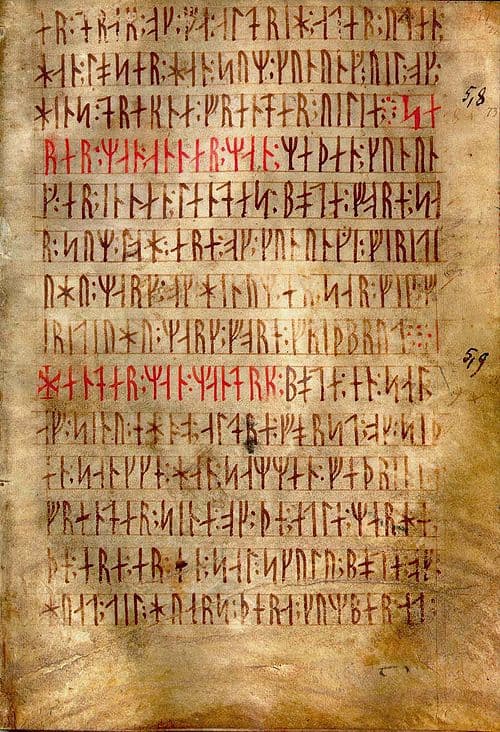
The ancient Norse alphabet stones used for divination and as powerful protective talismans.

Norway
The mighty hammer of the thunder god, worn as protection across the Viking world.

