
101
General
🪨
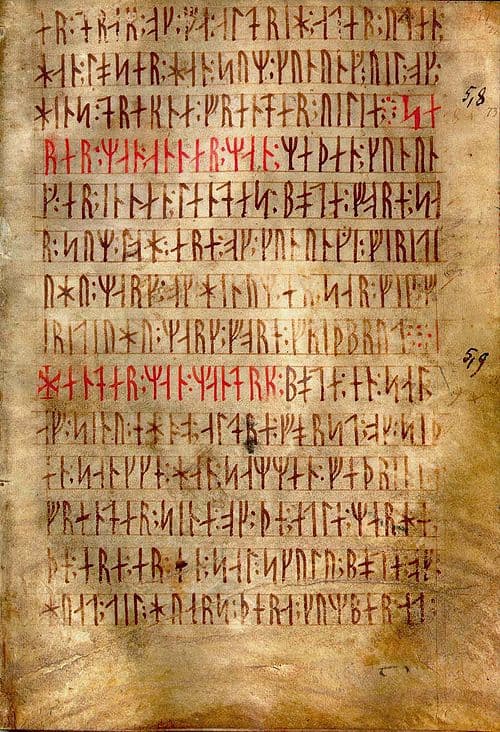
Viking Rune Stones
Norway
The ancient Norse alphabet stones used for divination and as powerful protective talismans.
4.5Learn more →


The mighty hammer of the thunder god, worn as protection across the Viking world.
Mjolnir — Thor's Hammer — is the most powerful symbol of Norse protective magic, the weapon and tool of the god of thunder, lightning, and the protection of humanity against the forces of chaos. Wearing a miniature Mjolnir pendant was the most common form of personal protective amulet in Viking Age Scandinavia, and these small hammers have been found in their thousands at archaeological sites across the Norse world from Iceland to Russia.
In Norse mythology, Mjolnir was forged by the dwarf brothers Sindri and Brokkr in the realm of the dwarves. It was the most powerful weapon in the Norse cosmos, able to level mountains and return to Thor's hand after throwing. Thor used it to protect Asgard and Midgard (the human world) from the constant assaults of the giants and monsters that threatened both realms. When Thor blessed something with Mjolnir — a marriage, a newborn child, a newly tilled field — it was under divine protection.
The hammer pendant's rise in popularity during the Viking Age (793–1066 CE) coincided with the spread of Christianity and may have been partly a conscious response to the Christian cross — a Norse parallel that proclaimed a different allegiance. Archaeological finds have revealed hybrid pendants that appear to be simultaneously a cross and a hammer, suggesting that in border zones between faiths, pragmatic Scandinavians hedged their spiritual bets. Today the Mjolnir pendant is widely worn as a symbol of Norse heritage, personal strength, and the protection of a fierce divine guardian.
The Thor's Hammer (Mjolnir) traces its origins to Norway, where it has been revered for generations as a powerful symbol of safety and spiritual defense. Historical records and oral traditions suggest that early versions of this charm appeared centuries ago, when communities in Norway first began attributing supernatural qualities to objects drawn from their natural and spiritual environment.
Over time, the Thor's Hammer (Mjolnir) evolved from a regional folk object into a widely recognized talisman. Traders, travelers, and migrants carried it across borders, introducing it to new cultures that often adopted and adapted it to fit their own belief systems. Today it is found in norway, sweden, denmark and beyond, each culture adding its own layer of meaning and ritual to the charm's enduring legacy.
In its homeland of Norway, the Thor's Hammer (Mjolnir) occupies a revered place in both daily life and ceremonial practice. It is not merely decorative — it is woven into the fabric of cultural identity, appearing in celebrations, rites of passage, and household traditions that have been passed down through generations.
Beyond Norway, the Thor's Hammer (Mjolnir) has gained recognition in norway, sweden, denmark and other regions, where it is valued for its symbolic connection to spiritual guardianship. Scholars of material culture and anthropologists note that charms like the Thor's Hammer (Mjolnir) serve a dual psychological function: they provide a tangible focus for hope and intention, and they connect their owners to a living cultural tradition that transcends individual experience.
To get the most from your Thor's Hammer (Mjolnir), keep it in a place where you will see it daily — on a desk, nightstand, or near your front entrance. Physical proximity reinforces the intention behind the charm and serves as a regular reminder of your goals.
Traditional practice recommends handling the charm with clean hands and respectful intention. Many practitioners in Norway advise setting a clear purpose when you first acquire the charm: hold it, state your wish or goal silently or aloud, and then place it in its chosen position. Periodically cleansing the charm — by passing it through incense smoke, placing it under moonlight, or simply wiping it with a clean cloth — is believed to refresh its energy.
If the charm is meant to be worn (as jewelry or a carried token), keep it close to your body throughout the day. If it is a household object, place it in the area of your home most associated with its purpose — for example, near a workspace for success charms, or by the bed for love and health charms.
Mjolnir represents the power to protect what matters, the courage to stand between the people you love and the forces that threaten them, and the divine mandate that strength exercised in service of others is the highest form of power. It embodies the Viking understanding that the world contains real dangers and that we honour the divine by equipping ourselves to face them.
Wear a Mjolnir pendant around the neck as a protective amulet. Hold it when you need strength or courage. In Norse tradition, place a Mjolnir symbol at the threshold of a new home to bless the space. Gift one to a loved one departing on a difficult journey or facing a significant challenge as a wish for Thor's protection over them.
The 2013 discovery of a Viking Age Mjolnir mold at Tjele in Denmark proved for the first time that the hammer pendants were deliberately manufactured as religious objects rather than random decorative choices. The mold could produce both cross and hammer shapes, confirming that Norse smiths understood both as protective religious symbols serving the same psychological function.
According to Norse mythology, the hammer's short handle was the result of interference during its creation. Loki, having bet his own head against the dwarven brothers' ability to make three perfect treasures, sabotaged the forge by stinging the smith in the eye mid-creation. The result was a hammer with a short handle — still the most powerful weapon in creation, but slightly imperfect.
Some extremist groups have misappropriated Norse symbols including Mjolnir. However, the symbol has been worn by people with genuine Norse heritage and spiritual interest for thousands of years, long before any such misuse. Context and intent matter enormously. The vast majority of Mjolnir wearers are people with no connection to extremism.
Norse mythology and its symbols have been embraced by people worldwide as part of humanity's shared spiritual heritage. Many people wear Mjolnir as a symbol of strength and protection with no claim to specific ethnic connection. Wearing it with knowledge and respect for its origins is what matters.
The Thor's Hammer (Mjolnir) originates from Norway, where it has been used as a protection charm for centuries. Its influence has since spread to norway, sweden, denmark and many other regions worldwide.
Wear a Mjolnir pendant around the neck as a protective amulet. Hold it when you need strength or courage. In Norse tradition, place a Mjolnir symbol at the threshold of a new home to bless the space. Gift one to a loved one departing on a difficult journey or facing a significant challenge as a wish for Thor's protection over them. For best results, set a clear intention when you first acquire the charm and keep it in a prominent, respectful location.
Yes, giving a Thor's Hammer (Mjolnir) as a gift is considered a generous and meaningful gesture in most traditions. In Norway, gifted charms are often believed to carry even stronger energy than those purchased for oneself, because they come with the goodwill and intention of the giver.
Many practitioners recommend periodically cleansing your Thor's Hammer (Mjolnir) to refresh its energy. Common methods include passing it through incense smoke, placing it in moonlight overnight, rinsing it under clean water (if the material allows), or simply wiping it down with a clean cloth while setting a fresh intention.
While the Thor's Hammer (Mjolnir) originated in the cultural traditions of Norway, it is not exclusive to any single religion. It has been adopted and adapted by people of many faiths and backgrounds, each bringing their own interpretation to its symbolism and use.
Norway
The ancient Norse alphabet stones used for divination and as powerful protective talismans.
Iceland
The Norse symbol of invincibility that Viking warriors wore before battle.
Iceland
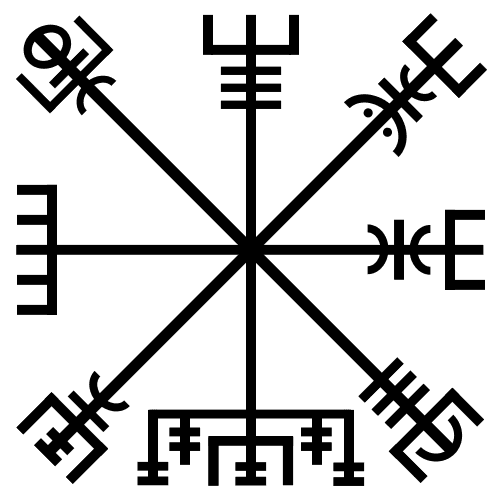
The Norse wayfinder compass that guides its bearer through storms to safe harbour.

