

370
General
⭐
Polish Kurpie Star
Poland
Intricate paper star ornaments from Poland's Kurpie forest region, hung at Christmas to bless the home with light.
4.2Learn more →


Miniature charms inspired by Poland's famous blue-and-white stoneware, symbols of Polish craftsmanship and home blessing.
Bolesławiec pottery — known internationally as Polish pottery — originates from the Lower Silesian town of Bolesławiec (historically Bunzlau in German), where exceptionally fine clay deposits have supported ceramic craft since the 14th century. The distinctive blue, cobalt, and cream patterns featuring peacock eyes, flowers, and geometric motifs are recognized worldwide as symbols of Polish artisanal excellence. Each piece is hand-stamped or painted, making every item unique.
As a lucky charm, a miniature Bolesławiec pottery piece carries the accumulated skill and intention of Polish craftspeople across generations. The ceramic medium connects the charm to earth energy — grounding, stabilizing, and nurturing. The traditional peacock eye motif, which fills most Bolesławiec patterns, functions simultaneously as a beauty symbol and a subtle protective eye watching over the home.
Polish families often display Bolesławiec pottery in the kitchen as a blessing for nourishment and hospitality. The tradition holds that beautiful, well-crafted objects in the home attract beautiful experiences — an aesthetic philosophy of lucky living that has sustained Bolesławiec craft through centuries of upheaval.
The Polish Bolesławiec Pottery Charm traces its origins to Poland, where it has been revered for generations as a powerful symbol of good fortune and positive energy. Historical records and oral traditions suggest that early versions of this charm appeared centuries ago, when communities in Poland first began attributing supernatural qualities to objects drawn from their natural and spiritual environment.
Over time, the Polish Bolesławiec Pottery Charm evolved from a regional folk object into a widely recognized talisman. Traders, travelers, and migrants carried it across borders, introducing it to new cultures that often adopted and adapted it to fit their own belief systems. Today it is found in poland and beyond, each culture adding its own layer of meaning and ritual to the charm's enduring legacy.
In its homeland of Poland, the Polish Bolesławiec Pottery Charm occupies a revered place in both daily life and ceremonial practice. It is not merely decorative — it is woven into the fabric of cultural identity, appearing in celebrations, rites of passage, and household traditions that have been passed down through generations.
Beyond Poland, the Polish Bolesławiec Pottery Charm has gained recognition in poland and other regions, where it is valued for its symbolic connection to universal good luck. Scholars of material culture and anthropologists note that charms like the Polish Bolesławiec Pottery Charm serve a dual psychological function: they provide a tangible focus for hope and intention, and they connect their owners to a living cultural tradition that transcends individual experience.
To get the most from your Polish Bolesławiec Pottery Charm, keep it in a place where you will see it daily — on a desk, nightstand, or near your front entrance. Physical proximity reinforces the intention behind the charm and serves as a regular reminder of your goals.
Traditional practice recommends handling the charm with clean hands and respectful intention. Many practitioners in Poland advise setting a clear purpose when you first acquire the charm: hold it, state your wish or goal silently or aloud, and then place it in its chosen position. Periodically cleansing the charm — by passing it through incense smoke, placing it under moonlight, or simply wiping it with a clean cloth — is believed to refresh its energy.
If the charm is meant to be worn (as jewelry or a carried token), keep it close to your body throughout the day. If it is a household object, place it in the area of your home most associated with its purpose — for example, near a workspace for success charms, or by the bed for love and health charms.
Polish pride, artisanal blessing, home nourishment, aesthetic harmony, and the protective power of beautiful craftsmanship.
Display Bolesławiec pottery charms in the kitchen or dining area to bless meals and hospitality. A small pottery charm can be carried to bring Polish earth energy and grounding stability. Gift a piece to friends moving into a new home for lasting domestic harmony.
Bolesławiec pottery is made from a unique combination of local clay that makes it resistant to thermal shock, meaning it can go from freezer to oven without cracking. This practical blessing is seen by locals as a metaphor for the Polish people's resilience through history.
The peacock eye pattern acts as a subtle evil eye ward, the blue color carries protective energy, and the earth-fired clay grounds the home's energy. The combination creates a multi-layered protective blessing.
The traditional peacock eye (the circular dot pattern) is considered most protective. Floral patterns attract love and growth. Geometric patterns bring order and stability.
In Polish tradition, broken pottery is not considered unlucky if it breaks accidentally during normal use — it means it absorbed something negative. Keep a shard wrapped in cloth as a protection talisman.
The Polish Bolesławiec Pottery Charm originates from Poland, where it has been used as a general charm for centuries. Its influence has since spread to poland and many other regions worldwide.
Display Bolesławiec pottery charms in the kitchen or dining area to bless meals and hospitality. A small pottery charm can be carried to bring Polish earth energy and grounding stability. Gift a piece to friends moving into a new home for lasting domestic harmony. For best results, set a clear intention when you first acquire the charm and keep it in a prominent, respectful location.
Yes, giving a Polish Bolesławiec Pottery Charm as a gift is considered a generous and meaningful gesture in most traditions. In Poland, gifted charms are often believed to carry even stronger energy than those purchased for oneself, because they come with the goodwill and intention of the giver.
Many practitioners recommend periodically cleansing your Polish Bolesławiec Pottery Charm to refresh its energy. Common methods include passing it through incense smoke, placing it in moonlight overnight, rinsing it under clean water (if the material allows), or simply wiping it down with a clean cloth while setting a fresh intention.
While the Polish Bolesławiec Pottery Charm originated in the cultural traditions of Poland, it is not exclusive to any single religion. It has been adopted and adapted by people of many faiths and backgrounds, each bringing their own interpretation to its symbolism and use.
Poland
Intricate paper star ornaments from Poland's Kurpie forest region, hung at Christmas to bless the home with light.
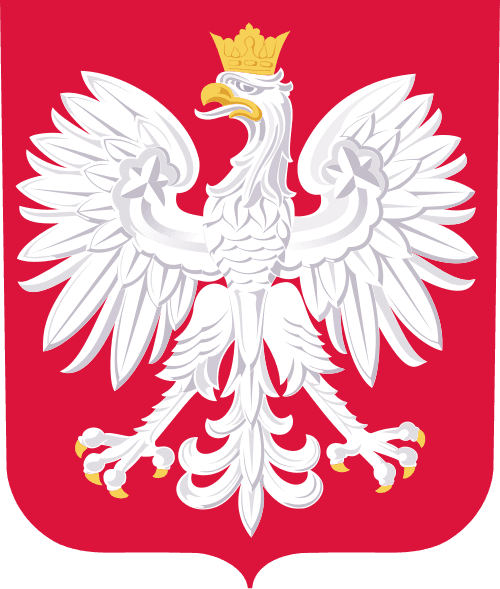
Poland
Poland's heraldic eagle — the crowned white eagle on red — symbol of national strength, sovereignty, and enduring courage.

Czech Republic
World-renowned Bohemian lead crystal, prized for its clarity and light-refracting brilliance as a symbol of refined fortune.

