

335
Success
🐓
Coq Gaulois
France
The Gallic rooster, symbol of French pride and the courage to greet each new dawn.
4.2Learn more →


The lily of the valley given on May Day as France's most beloved luck gift.
The muguet — lily of the valley — is France's official May Day flower, and the tradition of giving sprigs of this delicate white bell-flowered plant on May 1st is one of the country's most cherished and widely observed customs. On every first of May, florists and street sellers across France sell muguet by the million, and the gift of a small sprig with its 13 bells (13 is the luckiest number for muguet) is an expression of affection and a sincere wish for the recipient's happiness and luck in the coming year.
The tradition is said to have begun in 1561 when King Charles IX of France received a sprig of lily of the valley as a May Day good luck charm and was so delighted that he instituted the custom of giving muguet to the ladies of the court each year on May 1st. Whether or not this precise origin is accurate, the custom became firmly embedded in French culture and survived the Revolution, the World Wars, and every political upheaval that transformed France's social landscape.
The flower itself — small, white, exquisitely fragrant, and appearing at the threshold of spring — embodies the renewal of hope and the return of light after winter. Its fragility makes it all the more meaningful as a gift: it says 'I thought of you at the exact right moment.' Perfumers have tried for centuries to synthesise its scent, which remains one of the most technically challenging in the art — the natural flower's fragrance retains a complexity that chemistry has never fully replicated.
Muguet represents the renewal of hope, the sweetness of new beginnings, and the profound good fortune of being alive and noticed by someone who cares. Its 13 bells are counted carefully — a sprig with exactly 13 bells is the luckiest possible gift. The flower's May Day association connects it to ancient European spring celebrations of fertility, return, and the triumph of life over winter.
Give a sprig of muguet to someone you care for on May 1st with a sincere wish for their happiness. In France, you can legally sell muguet without a vendor's licence on May Day, making it a uniquely democratic lucky gift. Dried muguet is kept through the year as a memento of the luck-wish received. Muguet perfume is considered especially lucky when worn on important occasions.
France grows over 60 million stems of muguet specifically for May Day, with production concentrated in the Loire-Atlantique region around Nantes. The industry was so significant that during World War II, even as civilian flower growing was severely restricted, muguet cultivation was maintained as an essential cultural activity.
In French muguet tradition, 13 is specifically lucky because a sprig with 13 bells is considered the most perfect and complete, representing the full cycle of good fortune. This is one of the charming exceptions to the Western superstition about 13 being unlucky — in this context it is the luckiest count.
While muguet is available as a florist's cut flower throughout much of the year, its luck-giving power is specifically associated with May Day. Giving it at other times is a lovely gesture but doesn't carry the same ritualistic weight as the May 1st tradition.
Muguet is also traditional at weddings, where the bride carries it or has it worked into her bouquet for luck. It was Dior's signature flower and appears in some of France's most iconic perfumes, connecting it to elegance and celebration beyond its May Day context.
France
The Gallic rooster, symbol of French pride and the courage to greet each new dawn.

France
The stylised lily of French royalty, emblem of divine favour and noble aspiration.
United Kingdom
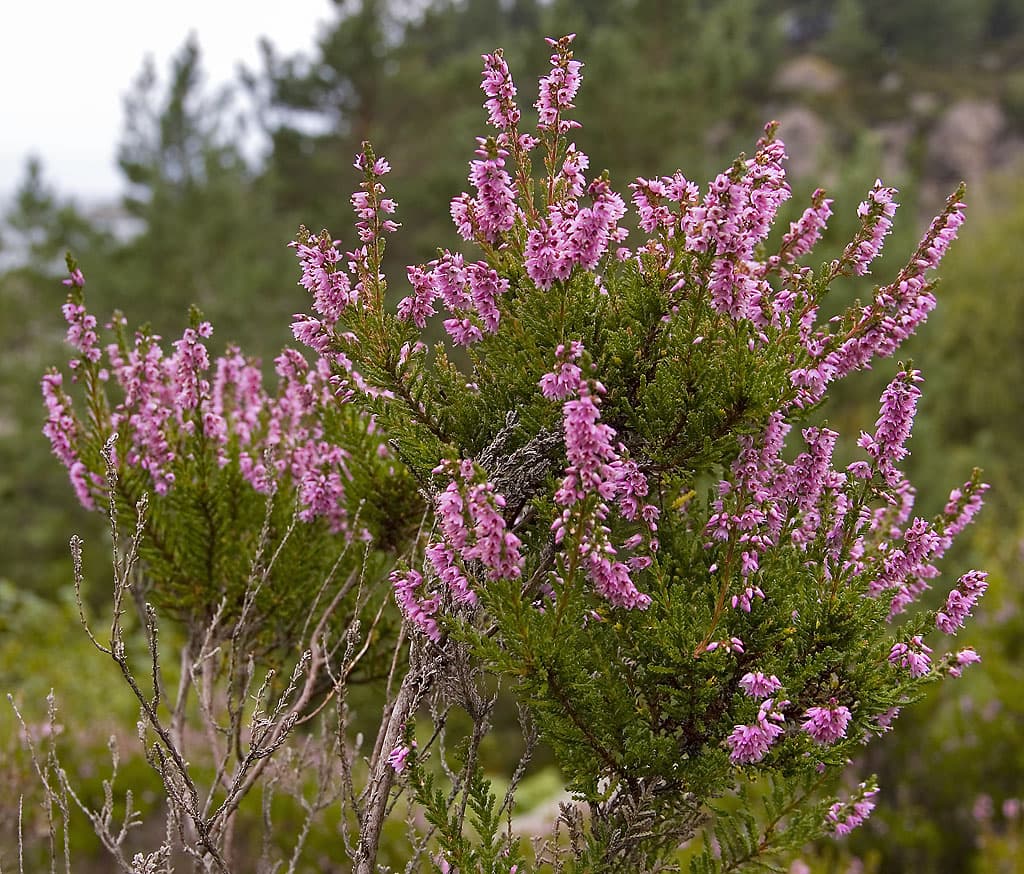
Scotland's rarest bloom, whose white mutation brings extraordinary fortune to its finder.

