

2
General
🍀
Four-Leaf Clover
Ireland
The rarest clover mutation, treasured as nature's own lucky charm.
4.9Learn more →

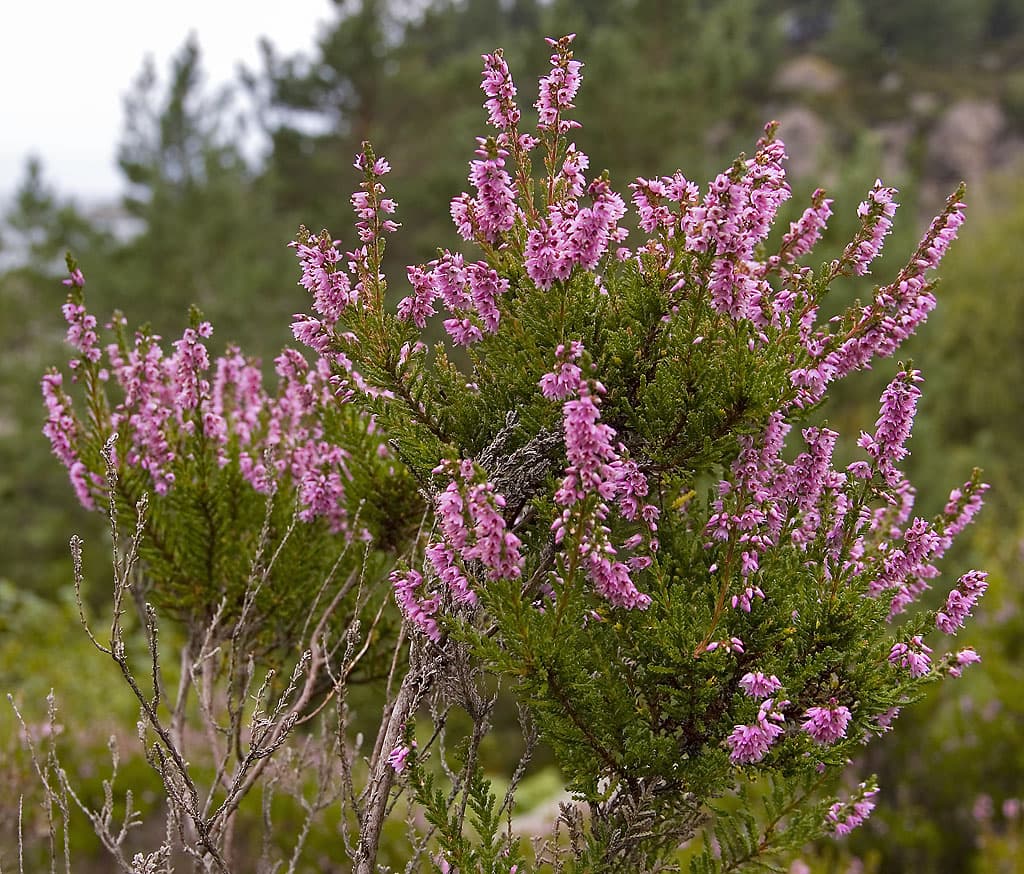
Scotland's rarest bloom, whose white mutation brings extraordinary fortune to its finder.
White heather — the rare unpigmented mutation of the common purple heather (Calluna vulgaris) that blankets the Scottish Highlands — is considered one of Scotland's most powerful lucky charms, a living talisman whose rarity in the field of purple makes it as difficult to find as a four-leaf clover in a meadow of three-leafed plants. Sellers of white heather sprigs are a fixture at Scottish tourist sites and have been since at least the Victorian era, when the romantic Highland mythology cultivated by Queen Victoria and Sir Walter Scott made Scottish good luck charms fashionable throughout the British Empire.
The luck of white heather is explained by a romantic legend. Malvina was the daughter of the Gaelic bard Ossian, betrothed to a warrior hero named Oscar. A messenger brought her word of Oscar's death in battle along with a sprig of purple heather — Oscar's favourite flower. Malvina wept over the heather, and wherever her tears fell, the purple blooms turned white. She declared that wherever white heather grew, it would bring good luck to all who found it, as her love for Oscar was eternal and her wish for others' happiness undimmed by grief.
White heather bouquets are incorporated into Scottish wedding traditions as protective charms for the couple. Brides carry or wear white heather for luck, and a sprig is often pinned to grooms' kilts. The plant's practical hardiness — thriving in thin, acidic, windswept Highland soils where little else survives — adds a dimension of resilience and persistence to its romantic legendary associations.
White heather represents love that transcends loss, the extraordinary fortune of rare beauty found against all expectation, and the Scottish quality of perseverance through harsh conditions. Its rarity makes each finding a personal event — a sign that fortune has sought you out in a place of difficulty and delivered something precious.
Carry a sprig of dried white heather in your wallet or handbag as a personal luck charm. Incorporate it into wedding bouquets and buttonholes for marital good fortune. When giving white heather as a gift, share the legend of Malvina — the story deepens the charm's meaning and makes the giving itself a small ceremony of good wishes.
White heather was Queen Victoria's favourite luck charm, and she had it grown specially at Balmoral Castle after finding wild white heather there during her first Highland visit. Her enthusiasm for Scottish symbolism made white heather fashionable across Victorian Britain, and the demand for genuine wild white heather sprigs created a small industry of Highland sellers who still operate today.
White heather is a natural albino mutation of common heather, occurring sporadically across heather moorland. It is not extraordinarily rare in an absolute sense — most large areas of Highland moorland will contain some white heather — but it is rare enough that finding it in the field still feels like a special discovery.
Purchased white heather is widely sold and given as a luck gift throughout Scotland and is considered genuinely lucky. The strongest tradition holds that self-found wild white heather is most powerful, but commercially obtained heather is entirely appropriate as a meaningful gift and luck charm.
Yes — horticultural white heather varieties are available through garden centres. Growing your own white heather creates a living luck garden and ensures a perpetual supply of fresh sprigs. The plant prefers acidic, well-drained soil and full sun, conditions it is adapted to from its Highland habitat.
Ireland
The rarest clover mutation, treasured as nature's own lucky charm.

United Kingdom
The beloved little bird of British winter who brings good fortune wherever he appears.

United Kingdom
The parasite plant the druids held sacred, bridging worlds and granting protection.

