
255
Protection
🛡️
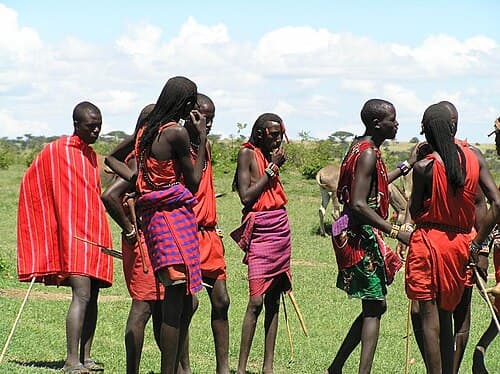
Kenyan Maasai Shield
Kenya
Distinctive painted Maasai warrior shield that protects against physical and spiritual harm.
4.7Learn more →


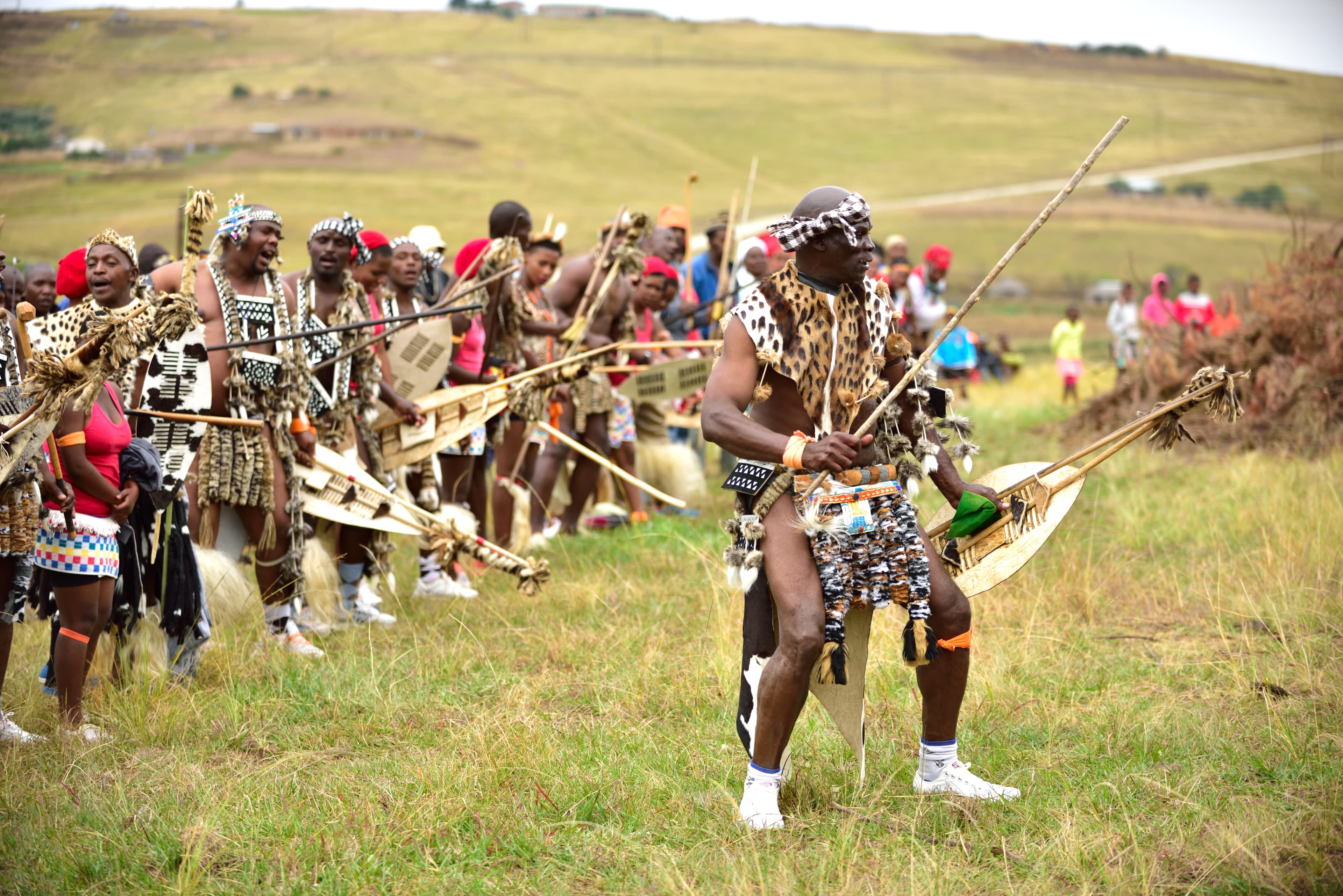
The cowhide shield of Zulu warriors — a regimental identity marker and protective spiritual object.
The Zulu shield (isihlangu) is among the most recognizable military objects in African history. Made from a single piece of ox or cow hide stretched on a wooden frame, these large, oval shields were central to the extraordinary military system developed by the legendary Zulu king Shaka in the early 19th century. Under Shaka, Zulu warriors were organized into age-based regiments (amabutho), each identified by a distinctive shield color pattern — white for senior warriors, black and white for junior men, and various patterns for regiments in between. A Zulu warrior's shield was thus his regimental identity card, instantly telling other warriors which regiment he belonged to and his approximate age and status.
The spiritual dimensions of the Zulu shield are as significant as its military function. Each regiment's shields were consecrated through ceremonies before campaigns, and a warrior's shield was believed to absorb his fighting spirit over time, becoming an extension of himself in battle. The practice of the Zulu 'bull horn' formation — where an enemy force was encircled by a main force (the chest) and two flanking groups (the horns) — was made possible partly by the way shield-bearing warriors could communicate, signal, and maneuver as a coherent unit. The shield was the warrior's identity, his protection, and his communication device simultaneously.
Today, replica Zulu shields are made by artisans across KwaZulu-Natal for both ceremonial use and as cultural heritage objects. Traditional Zulu ceremonies (including the Reed Dance and Shaka Day celebrations) feature warriors carrying shields and spears in the ancient manner. As a lucky charm displayed in a home, the Zulu shield represents protection, martial courage, and the strength of community solidarity.
Warrior protection and courage, regimental brotherhood and solidarity, the fighting spirit that defends family and community, and the historical resilience of the Zulu nation.
Display a Zulu shield on a prominent wall, especially near a home entrance, with the decorated face outward to project protective energy. Use a small replica as a desk ornament to invoke courage during professional challenges requiring assertiveness and strategic thinking.
King Shaka's military reforms in the 1810s-1820s were so effective that a Zulu impi (army) routed the British 24th Regiment of Foot at the Battle of Isandlwana in 1879, killing over 1,300 British and allied soldiers — one of the worst British military defeats in colonial history. The Zulu shields played a critical role in the battle's tactics, as warriors used them to trap opposing bayonets while stabbing with short assegai spears.
White shields were carried by the most senior, experienced warriors. Black and white shields belonged to mature warrior regiments. Brown shields were assigned to younger men still proving themselves. Each regiment had a distinctive pattern that made instant identification possible on the battlefield.
Authentic replicas are made from genuine cowhide, just as historical shields were. These are preferred for ceremonial use. Commercial replicas may use treated synthetic materials, which are considered acceptable for decorative display but not for ceremonial contexts.
The shield and short stabbing spear (iklwa, invented by Shaka) were designed to work together. The large shield was used to hook behind an opponent's shield and expose their left side for a single decisive stab. The pairing was so effective that Shaka's forces could face opponents with throwing spears with relative safety.
Kenya
Distinctive painted Maasai warrior shield that protects against physical and spiritual harm.
South Africa
Beaded communication from Zulu culture where colors and patterns encode messages of love and longing.

Eswatini
The cowhide warrior shield of Eswatini's umchwasho regiment — worn at the Incwala and Umhlanga ceremonies.

