
254
Protection
📿
Maasai Beaded Necklace
Kenya / Tanzania
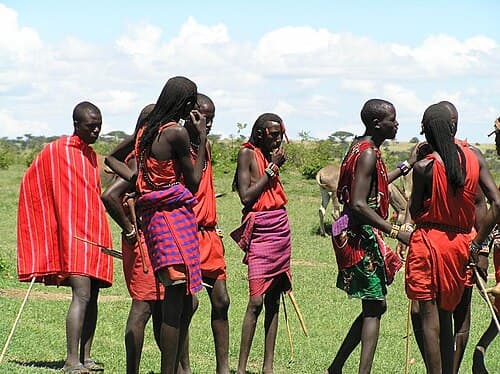
Iconic beaded collar worn by Maasai women, encoding social status, clan identity, and spiritual protection.
4.8Learn more →

Distinctive painted Maasai warrior shield that protects against physical and spiritual harm.
The Maasai shield (orinka or olodo) is one of the most recognizable warrior objects in Africa. Traditionally made from buffalo hide stretched over a wooden frame, these large oval shields were painted with distinctive patterns in red, white, and black that identified the warrior's clan, age-group, and military status. Young warriors (ilmoran) entering their first warrior phase received shields with specific designs; as they aged and achieved more, the designs changed to reflect their accumulated status. The shield was thus both protection and autobiography — a record of a man's identity and achievements.
The spiritual dimension of the Maasai shield is inseparable from its physical function. Before a battle or dangerous journey, shields were blessed by the laibon (spiritual leader) with prayers, rituals, and sometimes the application of protective substances. The colors themselves carry meaning: red (oodo) represents the blood of enemies repelled and the courage of warriors; white (narok) represents the purity of intention and divine favor; black is a solemn color associated with the hardships that warriors are prepared to endure. The combination of these colors on a shield creates a complete protective system — physical, spiritual, and psychological.
As decorative and spiritual objects, Maasai shields are now displayed in homes and offices across the world. Their protective symbolism translates across cultural contexts: they represent the boundary between one's protected inner world and the potential threats of the outer world. Many people display them facing outward from a front door or entryway, a placement that consciously mirrors the shield's original function of standing between the warrior and harm.
Physical and spiritual protection, warrior courage and identity, the boundary between safety and danger, and the blessing of ancestral warriors who carried shields before.
Display a Maasai shield on a wall facing the entrance of your home or office to create a protective barrier against negative energies. Use a small replica as a desk charm when facing challenging professional situations requiring courage and strategy.
Traditional Maasai shields were so effective as cultural markers that colonial-era British administrators attempting to conscript Maasai warriors into auxiliary military units had to negotiate around the significance of shield designs. Maasai warriors would not fight alongside men of different clans unless the shield protocol — which determined who stood where in formation — was respected.
Maasai shields are typically oval with painted geometric patterns identifying clan and age-group. Zulu shields (isihlangu) are taller, more elongated, and traditionally made from cowhide with black and white patterns that indicated a warrior's regiment. Both carry deep identity and protective significance but come from distinct cultural traditions.
Traditional shields appear primarily in ceremonial contexts today — coming-of-age rituals (enkiama), important dances, and cultural celebrations. Working replicas are also made for the tourist and export market. The shields carry enormous cultural pride even when not used for their original warrior purpose.
Hang it facing outward — toward the main source of external traffic or the front entrance of a space. This positions it the way a warrior would hold it: between themselves and potential threat. The protective face (decorated side) should face outward.
Kenya / Tanzania
Iconic beaded collar worn by Maasai women, encoding social status, clan identity, and spiritual protection.

South Africa
The cowhide shield of Zulu warriors — a regimental identity marker and protective spiritual object.
Ghana
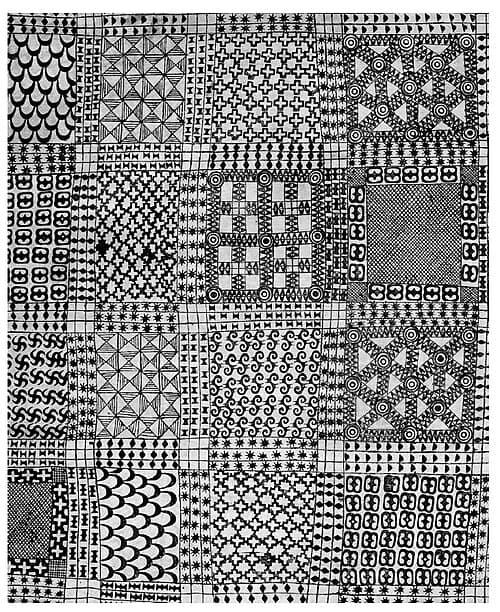
Ram's horns Adinkra symbol representing the balance of strength and humility.

