

245
Protection
✨
Gye Nyame Adinkra
Ghana
The supreme Akan symbol meaning 'Except for God' — a declaration of divine supremacy and protection.
4.8Learn more →

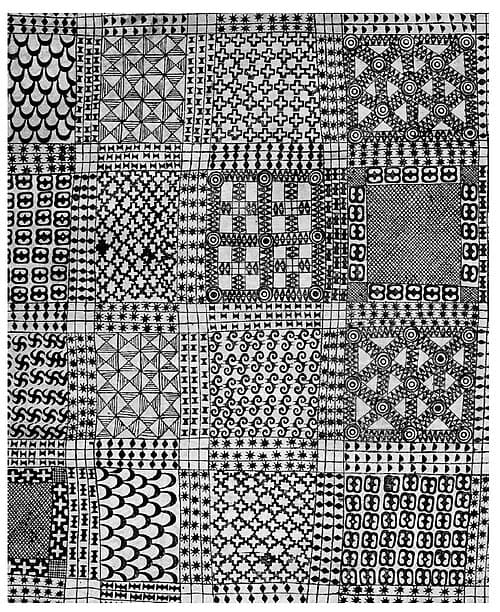
Ram's horns Adinkra symbol representing the balance of strength and humility.
Dwennimmen — literally translated as 'ram's horns' in Twi — is a profound Adinkra symbol depicting two ram heads facing each other with their horns intertwined. The ram is admired in Akan culture for its fierce strength; it fights with great power and never surrenders ground easily. Yet the same ram will readily submit to slaughter when that is its destiny, displaying a kind of sublime humility in accepting what cannot be changed. This paradox of strength and humble acceptance makes Dwennimmen one of the most philosophically rich of all Adinkra symbols.
The Akan proverb associated with Dwennimmen teaches that even the strongest person must know when to bend, that true strength is not inflexibility but the wisdom to choose when to assert power and when to yield. For warriors, chiefs, and leaders, this symbol served as both inspiration and a warning against the arrogance that destroys great people. Wearing or displaying Dwennimmen was a declaration of both capability and wisdom — a balanced force that neither hides its strength nor abuses it.
As a luck charm, Dwennimmen is particularly sought by those facing adversity, conflict, or power struggles. It is used in protective amulets for warriors, athletes, and anyone who must contend with strong opposition. It also functions as a talisman for leaders who wish to command respect while remaining approachable — a combination that builds lasting influence.
The Dwennimmen Adinkra traces its origins to Ghana, where it has been revered for generations as a powerful symbol of safety and spiritual defense. Historical records and oral traditions suggest that early versions of this charm appeared centuries ago, when communities in Ghana first began attributing supernatural qualities to objects drawn from their natural and spiritual environment.
Over time, the Dwennimmen Adinkra evolved from a regional folk object into a widely recognized talisman. Traders, travelers, and migrants carried it across borders, introducing it to new cultures that often adopted and adapted it to fit their own belief systems. Today it is found in ghana and beyond, each culture adding its own layer of meaning and ritual to the charm's enduring legacy.
In its homeland of Ghana, the Dwennimmen Adinkra occupies a revered place in both daily life and ceremonial practice. It is not merely decorative — it is woven into the fabric of cultural identity, appearing in celebrations, rites of passage, and household traditions that have been passed down through generations.
Beyond Ghana, the Dwennimmen Adinkra has gained recognition in ghana and other regions, where it is valued for its symbolic connection to spiritual guardianship. Scholars of material culture and anthropologists note that charms like the Dwennimmen Adinkra serve a dual psychological function: they provide a tangible focus for hope and intention, and they connect their owners to a living cultural tradition that transcends individual experience.
To get the most from your Dwennimmen Adinkra, keep it in a place where you will see it daily — on a desk, nightstand, or near your front entrance. Physical proximity reinforces the intention behind the charm and serves as a regular reminder of your goals.
Traditional practice recommends handling the charm with clean hands and respectful intention. Many practitioners in Ghana advise setting a clear purpose when you first acquire the charm: hold it, state your wish or goal silently or aloud, and then place it in its chosen position. Periodically cleansing the charm — by passing it through incense smoke, placing it under moonlight, or simply wiping it with a clean cloth — is believed to refresh its energy.
If the charm is meant to be worn (as jewelry or a carried token), keep it close to your body throughout the day. If it is a household object, place it in the area of your home most associated with its purpose — for example, near a workspace for success charms, or by the bed for love and health charms.
Strength and humility in balance, wisdom to know when to assert power and when to yield, resilience in adversity, and noble leadership.
Wear Dwennimmen when entering competitive situations, negotiations, or conflicts where you need both courage and strategic restraint. Place it on your desk to cultivate leadership qualities that balance assertiveness with humility.
The ram is one of the most symbolically powerful animals across African cultures. In Ethiopian tradition, rams are sacrificed at important festivals; in Yoruba practice, rams are sacred to the thunder orisha Shango. The choice of ram horns for this wisdom symbol reflects the pan-African reverence for this animal.
Yes — it is widely used by athletes and martial artists who need to combine physical strength with tactical intelligence. The symbol's teaching about knowing when to press forward and when to conserve energy is directly applicable to athletic competition.
Traditional Akan chiefs often incorporated Dwennimmen into regalia as a statement of their governing philosophy: powerful enough to defend the people, humble enough to serve them. Modern leaders use it as a reminder that authority serves best when paired with genuine care.
Combining them creates a powerful statement: divine protection (Gye Nyame) channeled through a person of balanced strength and wisdom (Dwennimmen). This pairing appears frequently in Akan regalia for those who hold both spiritual and temporal authority.
The Dwennimmen Adinkra originates from Ghana, where it has been used as a protection charm for centuries. Its influence has since spread to ghana and many other regions worldwide.
Wear Dwennimmen when entering competitive situations, negotiations, or conflicts where you need both courage and strategic restraint. Place it on your desk to cultivate leadership qualities that balance assertiveness with humility. For best results, set a clear intention when you first acquire the charm and keep it in a prominent, respectful location.
Yes, giving a Dwennimmen Adinkra as a gift is considered a generous and meaningful gesture in most traditions. In Ghana, gifted charms are often believed to carry even stronger energy than those purchased for oneself, because they come with the goodwill and intention of the giver.
Many practitioners recommend periodically cleansing your Dwennimmen Adinkra to refresh its energy. Common methods include passing it through incense smoke, placing it in moonlight overnight, rinsing it under clean water (if the material allows), or simply wiping it down with a clean cloth while setting a fresh intention.
While the Dwennimmen Adinkra originated in the cultural traditions of Ghana, it is not exclusive to any single religion. It has been adopted and adapted by people of many faiths and backgrounds, each bringing their own interpretation to its symbolism and use.
Ghana
The supreme Akan symbol meaning 'Except for God' — a declaration of divine supremacy and protection.

Ghana
The Akan symbol of a bird looking backward — representing wisdom in learning from the past to build the future.

South Africa
The cowhide shield of Zulu warriors — a regimental identity marker and protective spiritual object.

