

245
Protection
✨
Gye Nyame Adinkra
Ghana
The supreme Akan symbol meaning 'Except for God' — a declaration of divine supremacy and protection.
4.8Learn more →


The Akan symbol of a bird looking backward — representing wisdom in learning from the past to build the future.
Sankofa is one of the most beloved and globally recognized Adinkra symbols from the Akan tradition of Ghana. Depicted either as a stylized bird turning its head completely backward to retrieve an egg from its back, or as a heart-shaped spiral glyph, Sankofa embodies the Akan proverb 'Se wo were fi na wosankofa a yenkyi' — 'It is not wrong to go back for what you forgot.' This teaching encourages individuals to draw on ancestral wisdom and historical knowledge when navigating the present and building the future. The symbol resonates powerfully with African diaspora communities as a reminder to reconnect with cultural roots.
The bird image of Sankofa — typically shown with its feet planted firmly forward even as its head twists backward — communicates that progress need not mean abandoning one's origins. This dual orientation makes Sankofa a symbol of wisdom, reflection, and purposeful learning. In Akan funerary traditions, it appeared on burial cloths as a reminder to honor ancestors and the lessons they passed down. In contemporary use, it has become a central symbol in pan-African identity movements and the broader African diaspora's efforts to reclaim cultural heritage.
Beyond its cultural significance, Sankofa functions as a personal luck charm for those embarking on new ventures. It counsels against hasty action divorced from experience and wisdom, making it particularly relevant for business owners, students, and anyone navigating major life transitions. Its form — regardless of whether the bird or glyph version — serves as a daily reminder that the wisest path forward often includes a conscious look backward.
Wisdom, learning from the past, cultural heritage, and the principle that retrieving forgotten knowledge is never shameful but essential for progress.
Wear or display Sankofa when making important decisions, especially those involving career changes or new beginnings. Place it in a study or workspace as a reminder to apply past lessons. It is particularly powerful for ancestral healing work and reconnecting with cultural roots.
Sankofa has become one of the most tattooed Adinkra symbols in the world, particularly among African Americans and members of the African diaspora seeking to reclaim their heritage. The symbol gained international prominence after the 1993 Ethiopian film 'Sankofa' by Haile Gerima, which depicted the historical trauma and resilience of enslaved Africans.
Both are authentic and traditional Akan representations. The bird form is more illustrative and narrative, while the heart-shaped glyph is the original abstract Adinkra stamp. Many people prefer the bird for visual art and the glyph for jewelry and tattoos.
Yes — Sankofa is considered one of the most appropriate symbols for honoring the deceased and processing grief. It acknowledges that looking back at what was lost is part of healing and that the memory of those gone is a source of ongoing strength.
Absolutely. Many entrepreneurs use Sankofa as a reminder to study market history, learn from past business failures, and apply established wisdom rather than ignoring precedent. It is common in offices and business literature focused on sustainable growth.
Ghana
The supreme Akan symbol meaning 'Except for God' — a declaration of divine supremacy and protection.
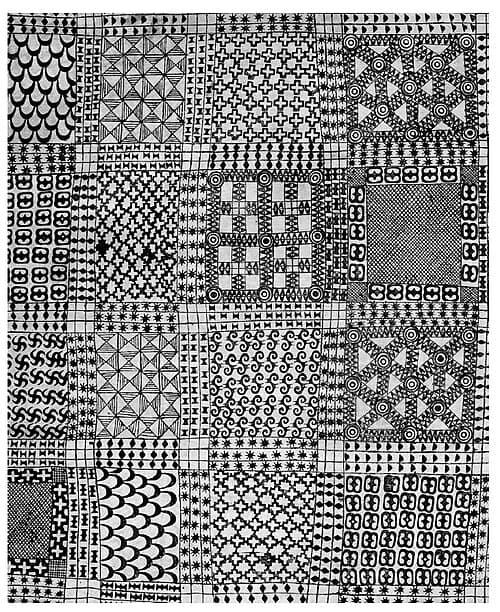
Ghana
Ram's horns Adinkra symbol representing the balance of strength and humility.
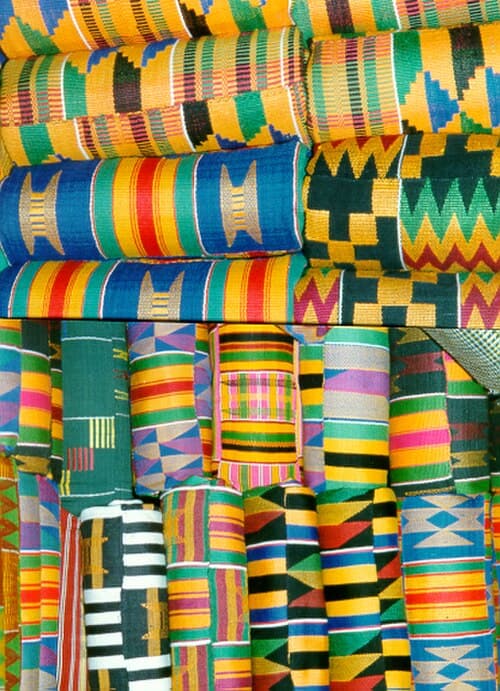
Ghana
Woven silk and cotton fabric of the Akan whose patterns encode proverbs, royal achievements, and ancestral pride.

