

469
Health
🌿
Bael Leaf
India
The three-leafed bael tree is Lord Shiva's favorite offering and one of the most sacred plants in Shaivite Hinduism.
4.5Learn more →

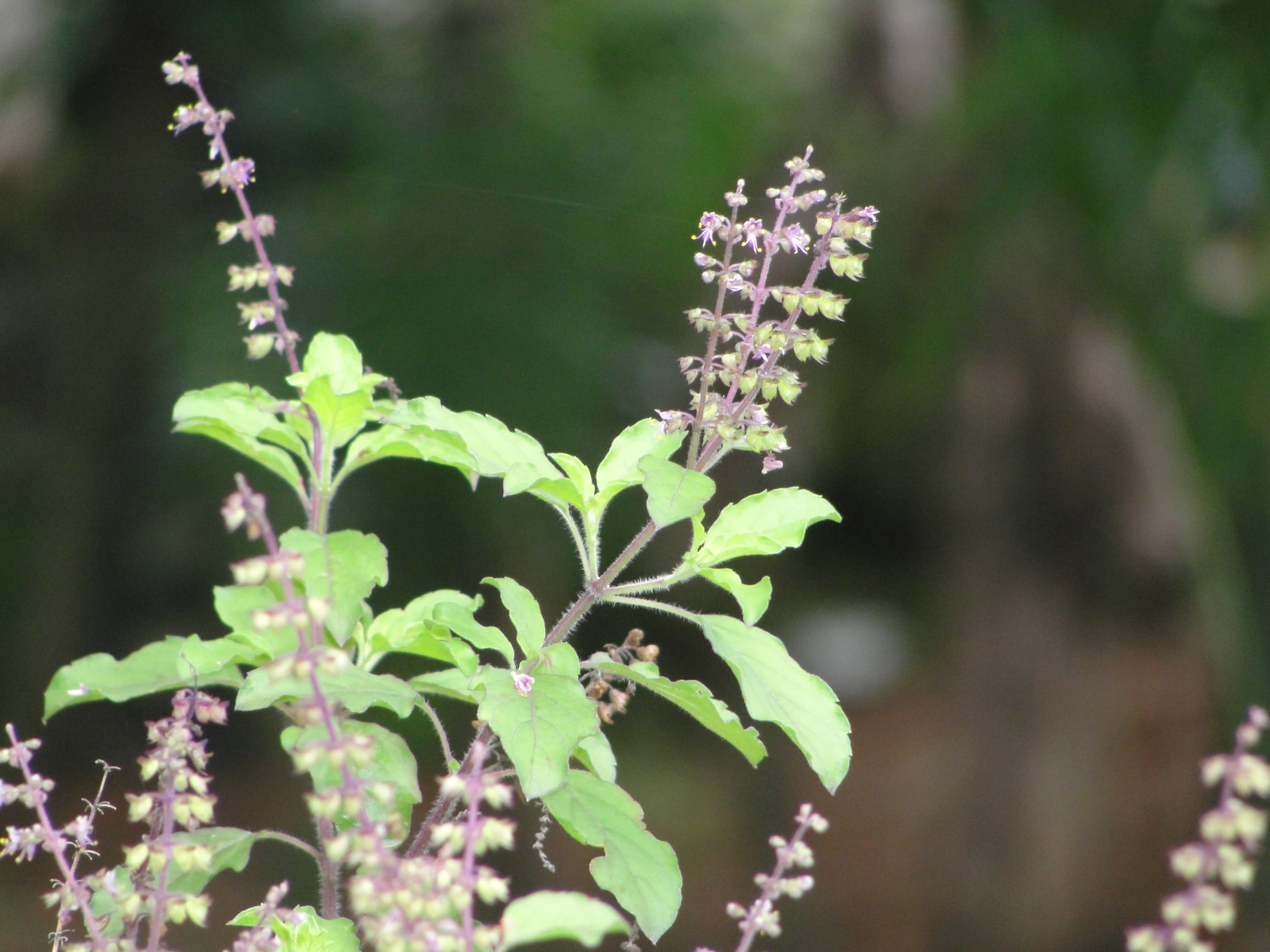
The holy basil plant is considered the earthly manifestation of the goddess Lakshmi and the most sacred plant in the Hindu home.
Tulsi (Ocimum tenuiflorum), known in English as holy basil, occupies a unique position as both a sacred living deity and a practical medicinal herb in the Hindu tradition. The plant is considered the earthly form of the goddess Tulsi (also called Vrinda), a devoted wife of Vishnu, and every morning worship in traditional Hindu households begins with circumambulating the tulsi plant and offering water and prayers. A home without a tulsi plant is believed to be spiritually incomplete, and the plant's constant presence sanctifies the household atmosphere.
The tulsi plant is traditionally kept in a specially crafted clay or stone pedestal called a tulsi vrindavan, placed in the courtyard or on a balcony where it receives morning sunlight. Morning prayers offered to the tulsi plant — including pouring water, applying kumkum, and lighting incense — are considered equivalent to visiting a major temple. On the auspicious day of Kartik Ekadashi (Tulsi Vivah), the tulsi plant is symbolically married to Vishnu in a ceremony that marks the beginning of the Hindu wedding season.
Modern science has extensively validated what Indian tradition has known for millennia: tulsi possesses remarkable adaptogenic, antibacterial, antiviral, and immunomodulatory properties. Its volatile oils create a purified atmosphere around the plant, reducing airborne pathogens. Consuming tulsi leaves or tea strengthens immunity, reduces stress hormones, and supports respiratory health. As both a spiritual talisman and a living apothecary, the tulsi plant represents the integration of the sacred and the practical that characterizes the best of South Asian wisdom.
Divine protection of the household, purification of the atmosphere, health and immunity, the presence of Lakshmi and Vishnu in the home, and spiritual sanctification.
Plant tulsi in a consecrated pot near the home entrance or in the courtyard. Water daily, preferably in the morning, while reciting prayers. Do not pluck leaves on Sundays, Ekadashi (11th lunar day), or after sunset according to traditional guidelines. Consume 2–3 fresh leaves daily in the morning for health benefits.
In ancient India, placing a tulsi leaf on the chest of a dying person was believed to ensure the soul's passage to Vaikuntha (Vishnu's heaven). Tulsi leaves are also placed in the mouth of the deceased and used in funeral rites throughout Hindu traditions.
Tulsi traditionally belongs outdoors in direct sunlight, which it requires for vigorous growth. However, a south- or east-facing window that receives several hours of direct sun can work. The plant's spiritual sanctifying effect is the same indoors, though it may not thrive as well.
A dying tulsi plant is considered an inauspicious sign in traditional belief and should be nursed back to health with care. If it dies, submerge it in a river or natural water body with prayers rather than discarding it in the trash. Plant a new one after performing a simple purification ritual.
Yes. Rama tulsi (green leaves) is the most common and mild. Krishna tulsi (purple-green leaves) is considered more potent medicinally and spiritually. Vana tulsi (wild basil) grows freely and is associated with forests and wild nature. All three are considered sacred.
India
The three-leafed bael tree is Lord Shiva's favorite offering and one of the most sacred plants in Shaivite Hinduism.

India
The sacred fig tree is where the Buddha attained enlightenment — its heart-shaped leaves are potent symbols of wisdom and divine dwelling.

India
The clay oil lamp is the most fundamental symbol of the dispelling of darkness and the inviting of divine light into one's life.

India
The pot filled with sacred water and crowned with a coconut and mango leaves represents the universe and invites the gods to reside within.

