

77
General
🍃
Bodhi Tree Leaf
India
A leaf from the sacred Bodhi tree, site of the Buddha's enlightenment, is a tangible connection to the moment of history's most celebrated awakening.
4.6Learn more →


The sacred fig tree is where the Buddha attained enlightenment — its heart-shaped leaves are potent symbols of wisdom and divine dwelling.
The Peepal tree (Ficus religiosa), also known as the Bodhi tree or sacred fig, is the most sacred tree in Hindu and Buddhist traditions. In Hinduism, the Peepal is believed to be inhabited by the Trimurti — Brahma in the roots, Vishnu in the trunk, and Shiva in the leaves — making it a living temple. Cutting down a Peepal tree is considered deeply inauspicious, and circumambulating it on Saturdays is believed to ward off the malefic effects of Saturn (Shani). The tree is also believed to shelter the spirits of ancestors, making worship at the Peepal a way of honoring deceased family members.
In Buddhist tradition, the Peepal becomes the Bodhi tree — specifically the individual tree in Bodh Gaya, Bihar, under which Siddhartha Gautama meditated and attained enlightenment 2,500 years ago. The distinctive heart-shaped leaf with its long tapering tip is instantly recognized across the Buddhist world as a symbol of enlightenment, compassion, and the possibility of awakening. Pressed Bodhi leaves are used as bookmarks in sacred texts, and the leaf's silhouette appears in Buddhist art and jewelry worldwide.
A dried Peepal leaf kept in a wallet or placed on a home altar is believed to bring wisdom in decision-making and connection with ancestral blessings. The tree's extraordinary botanical property of photosynthesizing and releasing oxygen even at night — unique among trees — was observed by ancient traditions and interpreted as evidence of the tree's divine, life-giving nature. The fact that sitting under a Peepal tree at night was believed to invite spirits was likely a folk interpretation of the unusual degree of life activity around this 24-hour oxygen producer.
Divine dwelling place of the Trimurti, the site of Buddha's enlightenment, ancestral blessings, wisdom, and the continuous generation of life force.
Keep a pressed, dried Peepal leaf in your wallet or between the pages of important books for wisdom and decision-making clarity. Circumambulate a Peepal tree clockwise 11 or 108 times on Saturday mornings to appease Saturn. Offer water, milk, and sesame seeds at the root of a Peepal tree on Saturdays for ancestral blessings.
A direct genetic descendant of the original Bodhi tree under which the Buddha attained enlightenment still stands in Sri Lanka, planted from a cutting taken in 288 BCE by Princess Sanghamitta. The Jaya Sri Maha Bodhi in Anuradhapura is believed to be the oldest documented living tree in the world with a known planting date.
Yes. Saturday is the day of Saturn (Shani) in Hindu astrology, and the Peepal tree is considered Saturn's favorite tree. Circumambulating 7 times (for the 7-year Saturn transit cycle) or 11 times on Saturday morning while pouring water at the root is considered one of the most effective remedies for Saturn-related difficulties.
Traditional Vastu Shastra advises against planting a Peepal tree in the home compound, as the large tree's energy is considered too powerful for domestic space. It is recommended for temple grounds, public spaces, or farm boundaries. Miniature representations or leaves are used for home worship instead.
The Peepal leaf is Vishnu's cosmic resting place. The mythology of Markandeya describes him swimming in the cosmic waters during dissolution, finding only a Peepal tree floating on the waters with the infant Vishnu resting on a leaf, absorbed in cosmic sleep. This image of Vata-Patra-Shayi Vishnu appears widely in Hindu art.
India
A leaf from the sacred Bodhi tree, site of the Buddha's enlightenment, is a tangible connection to the moment of history's most celebrated awakening.
India
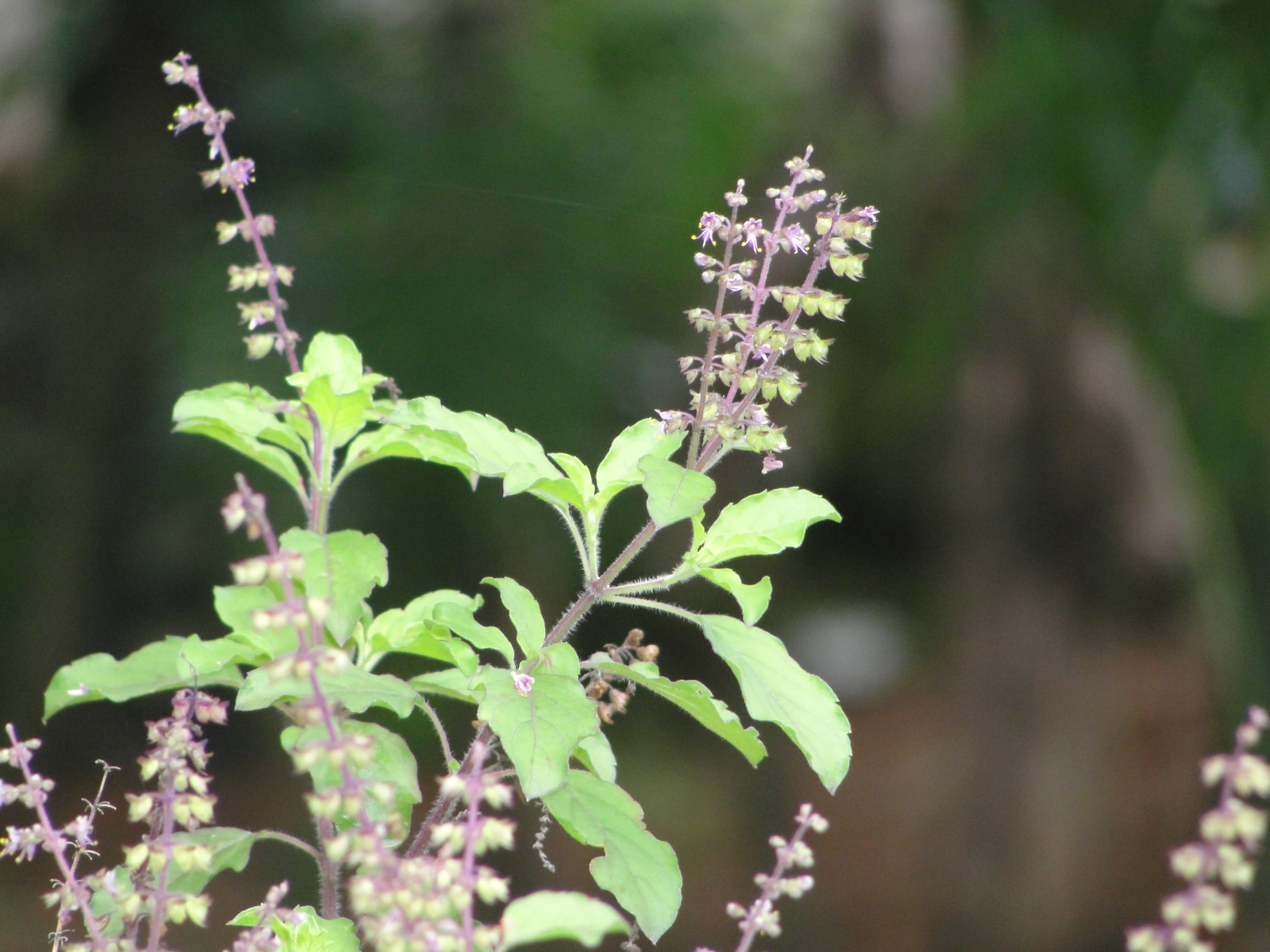
The holy basil plant is considered the earthly manifestation of the goddess Lakshmi and the most sacred plant in the Hindu home.

India
A string of 108 prayer beads used for mantra repetition, mala beads align the practitioner's energy with divine intention through meditative counting.

India
The eight-spoked wheel represents the Buddha's Noble Eightfold Path and the turning of cosmic law, one of the most universal Buddhist symbols.

