
465
General
🥥
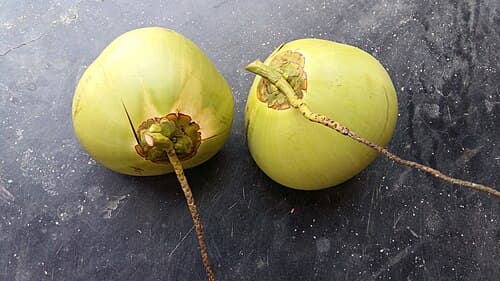
Coconut
India
The coconut is the most auspicious offering in Hindu ritual, symbolizing the human ego dissolved in pure consciousness.
4.5Learn more →


Strung across doorways during festivals and ceremonies, mango leaves welcome prosperity and protect against negative energy.
The mango tree (Mangifera indica) is considered one of India's most sacred trees, associated with Kamadeva (the god of love), Lakshmi (goddess of prosperity), and used in the worship of Surya (the sun god). Mango leaves in particular are essential components of virtually every Hindu ceremony: they are draped across doorways as torans (threshold garlands), used to fill the kalasha (ritual pot), and employed in homa (fire ceremonies) as oblations. Their bright green color and pleasant fragrance are associated with freshness, growth, and the continuation of life.
Scientifically, mango leaves emit certain compounds that purify the air and have antibacterial properties. Traditional communities discovered empirically that stringing mango leaves across entrances helped create a healthier threshold environment, a practical observation that was then given sacred meaning. The same phenomenon appears in many ritual plant uses across Indian tradition — the sacred and the practical are deeply intertwined. Modern research has confirmed that mangiferin and other compounds in mango leaves have antioxidant, anti-inflammatory, and antimicrobial properties.
For everyday protective use, fresh mango leaf torans are replaced frequently — ideally every week or on each new and full moon day. Dried mango leaves retain some efficacy but are considered less powerful than fresh green ones. In South Indian tradition, mango leaf torans are never used at moments of death or mourning, being reserved exclusively for joyful and auspicious occasions. The contrast between green mango leaves used for celebration and dry leaves avoided in grief captures the plant's fundamental association with vibrant, living prosperity.
Auspicious welcome, prosperity at the threshold, the freshness of new beginnings, and purification of the atmosphere against illness and negative forces.
String fresh mango leaves on a thread and hang across the main entrance during festivals, weddings, housewarming ceremonies, and new business openings. Replace every week with fresh leaves. During Pongal (harvest festival), mango leaf torans are essential. Keep fresh leaves near the kalasha during any puja.
In Ayurveda, mango leaf tea is prescribed for managing blood sugar levels in diabetics. Recent clinical studies have validated this folk practice, finding that mangiferin significantly improves insulin sensitivity — evidence that the sacred mango tree is also a genuine medicine chest.
Traditional guidelines suggest replacing them every week or when they begin to dry and yellow. In practical terms, many households replace them on each auspicious day (Monday, Friday, or the full and new moon days). At minimum, replace them for each new festival or ceremony.
Leaves from any Mangifera indica (common mango tree) are considered appropriate. Wild mango or close relative species are also used in some regional traditions. The key quality indicator is freshness and deep green color — wilted or yellowing leaves lose their auspicious potency.
No. Mango leaves are exclusively used in auspicious, life-affirming contexts. At death rituals, funeral rites, and mourning periods, mango leaf decorations are removed from the home. The leaves' strong association with celebration and welcome makes their use in mourning contexts inappropriate in traditional practice.
India
The coconut is the most auspicious offering in Hindu ritual, symbolizing the human ego dissolved in pure consciousness.

India
The three-leafed bael tree is Lord Shiva's favorite offering and one of the most sacred plants in Shaivite Hinduism.
India
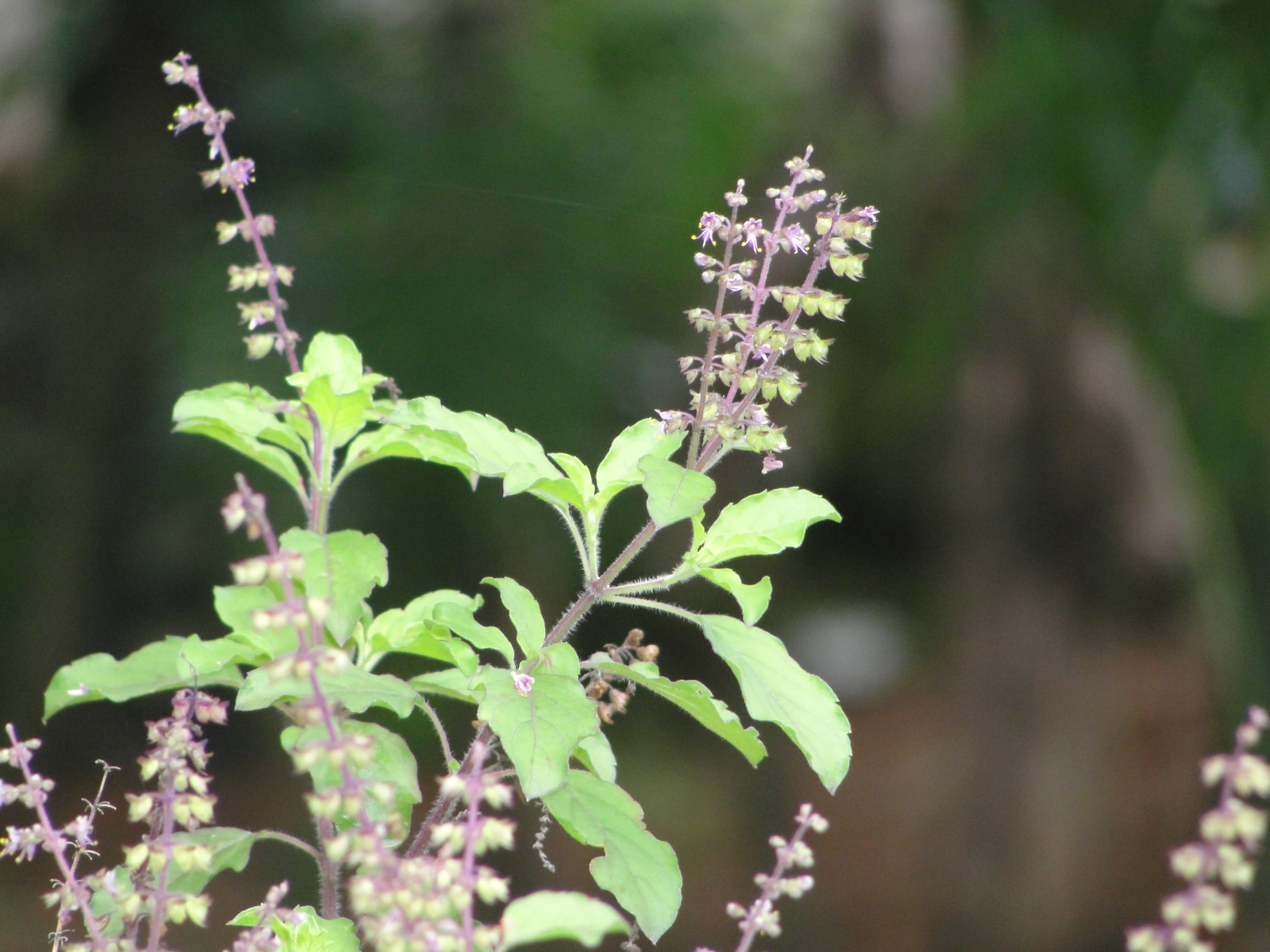
The holy basil plant is considered the earthly manifestation of the goddess Lakshmi and the most sacred plant in the Hindu home.

India
The pot filled with sacred water and crowned with a coconut and mango leaves represents the universe and invites the gods to reside within.

