

191
Success
🦅
Arabian Falcon
UAE / Saudi Arabia / Qatar
The sacred hunting bird of the Arabian Peninsula, a symbol of power, precision, and the noble Bedouin tradition of falconry.
4.7Learn more →


The iconic long-spouted Arabic coffee pot, a symbol of Gulf hospitality, generosity, and the sacred social ritual of coffee.
The dallah is the tall, long-spouted brass or gold-plated coffee pot used throughout the Arabian Peninsula to brew and serve qahwa — lightly roasted Arabic coffee flavored with cardamom, saffron, and rosewater — and it is one of the most culturally significant objects in Gulf Arab life. The dallah's distinctive form — a rounded body, long curved spout, often with a pointed top and decorative engraving — is so iconic that it appears as a central element of the UAE's national emblem, on Kuwait's stamps, on Qatar's currency, and in the logos of countless Gulf institutions. Its shape alone signals: you are welcome here, coffee will be offered, the laws of hospitality apply.
Arabic coffee hospitality (deyafa) is not merely a social custom in Gulf Arab culture — it is a sacred obligation and a form of honor both given and received. The guest who accepts qahwa acknowledges the host's generosity and good faith; the host who offers it publicly demonstrates their prosperity and social virtue. Coffee is served in small handle-less cups (finjan), and a slight waggle of the empty cup signals readiness for a refill; a more decisive waggle indicates completion. This non-verbal communication across a coffee service is a complete language of social relations, encoded in ceramic and brass.
Miniature dallah charms are among the most popular souvenirs and gifts in Gulf countries, carried worldwide by those who wish to carry a piece of this hospitality tradition with them. They serve as reminders that the most powerful form of wealth is not currency but the generosity that flows from abundance and the relationships it creates.
The Arabian Dallah (Coffee Pot) traces its origins to Saudi Arabia / UAE / Qatar / Kuwait, where it has been revered for generations as a powerful symbol of prosperity and abundance. Historical records and oral traditions suggest that early versions of this charm appeared centuries ago, when communities in Saudi Arabia / UAE / Qatar / Kuwait first began attributing supernatural qualities to objects drawn from their natural and spiritual environment.
Over time, the Arabian Dallah (Coffee Pot) evolved from a regional folk object into a widely recognized talisman. Traders, travelers, and migrants carried it across borders, introducing it to new cultures that often adopted and adapted it to fit their own belief systems. Today it is found in saudi arabia, uae, qatar and beyond, each culture adding its own layer of meaning and ritual to the charm's enduring legacy.
In its homeland of Saudi Arabia / UAE / Qatar / Kuwait, the Arabian Dallah (Coffee Pot) occupies a revered place in both daily life and ceremonial practice. It is not merely decorative — it is woven into the fabric of cultural identity, appearing in celebrations, rites of passage, and household traditions that have been passed down through generations.
Beyond Saudi Arabia / UAE / Qatar / Kuwait, the Arabian Dallah (Coffee Pot) has gained recognition in saudi arabia, uae, qatar and other regions, where it is valued for its symbolic connection to financial prosperity. Scholars of material culture and anthropologists note that charms like the Arabian Dallah (Coffee Pot) serve a dual psychological function: they provide a tangible focus for hope and intention, and they connect their owners to a living cultural tradition that transcends individual experience.
To get the most from your Arabian Dallah (Coffee Pot), keep it in a place where you will see it daily — on a desk, nightstand, or near your front entrance. Physical proximity reinforces the intention behind the charm and serves as a regular reminder of your goals.
Traditional practice recommends handling the charm with clean hands and respectful intention. Many practitioners in Saudi Arabia / UAE / Qatar / Kuwait advise setting a clear purpose when you first acquire the charm: hold it, state your wish or goal silently or aloud, and then place it in its chosen position. Periodically cleansing the charm — by passing it through incense smoke, placing it under moonlight, or simply wiping it with a clean cloth — is believed to refresh its energy.
If the charm is meant to be worn (as jewelry or a carried token), keep it close to your body throughout the day. If it is a household object, place it in the area of your home most associated with its purpose — for example, near a workspace for success charms, or by the bed for love and health charms.
Generosity, the sacred obligation of hospitality, social trust sealed through shared coffee, and the wealth that manifests as the ability and desire to give freely. The dallah holds not just coffee but the liquid form of human connection.
Display a dallah figurine in a kitchen or dining area to encourage the spirit of generous hospitality in your home. Gift to someone opening a new home or business as a blessing of abundance and welcome. Carry a miniature dallah charm as a reminder to practice generosity daily.
Arabic coffee (qahwa) was historically so important in Gulf culture that receiving coffee from a host while carrying a sword was considered a binding peace treaty — the shared cup sealed the agreement between parties who might have been enemies. Coffee thus literally created peace in Arabian tribal diplomacy.
Qahwa is made from lightly roasted green or light yellow coffee beans, giving it a pale golden color rather than dark brown. It is heavily flavored with cardamom, and often saffron, rosewater, and cloves. It is served without sugar in small cups and is considerably less caffeinated and more aromatic than Western-style coffee.
The dallah was chosen as a symbol of Arab hospitality and the traditional Bedouin values that underpin Gulf Arab cultural identity — generosity, honor, and the sacred duty of welcoming guests. Placing it on national emblems declares that these values are core to national identity, not just private custom.
Custom varies by tribe and region, but traditionally three cups is the polite number — though the host will continue offering as long as the guest desires. Refusing the first cup can be considered impolite. When finished, the guest signals by waggling the cup from side to side, and the host graciously accepts this signal without pressure to continue.
The Arabian Dallah (Coffee Pot) originates from Saudi Arabia / UAE / Qatar / Kuwait, where it has been used as a wealth charm for centuries. Its influence has since spread to saudi arabia, uae, qatar and many other regions worldwide.
Display a dallah figurine in a kitchen or dining area to encourage the spirit of generous hospitality in your home. Gift to someone opening a new home or business as a blessing of abundance and welcome. Carry a miniature dallah charm as a reminder to practice generosity daily. For best results, set a clear intention when you first acquire the charm and keep it in a prominent, respectful location.
Yes, giving a Arabian Dallah (Coffee Pot) as a gift is considered a generous and meaningful gesture in most traditions. In Saudi Arabia / UAE / Qatar / Kuwait, gifted charms are often believed to carry even stronger energy than those purchased for oneself, because they come with the goodwill and intention of the giver.
Many practitioners recommend periodically cleansing your Arabian Dallah (Coffee Pot) to refresh its energy. Common methods include passing it through incense smoke, placing it in moonlight overnight, rinsing it under clean water (if the material allows), or simply wiping it down with a clean cloth while setting a fresh intention.
While the Arabian Dallah (Coffee Pot) originated in the cultural traditions of Saudi Arabia / UAE / Qatar / Kuwait, it is not exclusive to any single religion. It has been adopted and adapted by people of many faiths and backgrounds, each bringing their own interpretation to its symbolism and use.
UAE / Saudi Arabia / Qatar
The sacred hunting bird of the Arabian Peninsula, a symbol of power, precision, and the noble Bedouin tradition of falconry.
Middle East
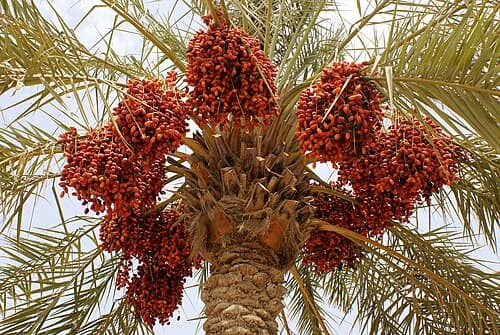
The tree of life of the desert, symbol of abundance in arid lands and the most generous of all Arabic trees.

UAE
A gold coin charm honoring the UAE's transformation from pearl-diving desert nation to global economic powerhouse.

