

190
Wealth
☕
Arabian Dallah (Coffee Pot)
Saudi Arabia / UAE / Qatar / Kuwait
The iconic long-spouted Arabic coffee pot, a symbol of Gulf hospitality, generosity, and the sacred social ritual of coffee.
4.5Learn more →


A gold coin charm honoring the UAE's transformation from pearl-diving desert nation to global economic powerhouse.
The Emirati gold coin charm carries layers of meaning unique to the extraordinary story of the United Arab Emirates — a nation that within a single generation transformed from one of the world's least developed economies (relying on pearl diving, fishing, and date farming) to one of its wealthiest, with a GDP per capita among the world's highest. Gold itself has ancient roots in Gulf Arab culture — before oil, pearls were the Gulf's precious export and gold was what pearl divers' wages were converted into, stored in small pouches and coins as portable, universally recognized wealth. The sight of gold coins being weighed in the souks of Dubai and Abu Dhabi was the original image of Gulf prosperity.
The UAE's famous Gold Souk in Dubai's Deira district is the world's largest gold market, housing over 380 shops selling everything from jewelry to investment-grade bars. The gold sold here connects to both ancient traditions of Arab gold culture and the hypermodern economy of the Gulf's financial centers. Emirati women have historically worn gold jewelry as a form of stored family wealth — wearing your wealth made it portable, demonstrable, and preserved across generations in a way that paper currency could not guarantee.
Emirati gold coin charms represent this complete narrative: the ancient instinct to preserve and display wealth through gold, the specific Gulf Arab tradition of gold as family inheritance, and the extraordinary modern story of a nation that found its wealth beneath the desert and transformed it into global economic power. They are powerful wealth attraction charms that carry the energy of one of the world's most remarkable success stories.
The Emirati Gold Coin traces its origins to UAE, where it has been revered for generations as a powerful symbol of prosperity and abundance. Historical records and oral traditions suggest that early versions of this charm appeared centuries ago, when communities in UAE first began attributing supernatural qualities to objects drawn from their natural and spiritual environment.
Over time, the Emirati Gold Coin evolved from a regional folk object into a widely recognized talisman. Traders, travelers, and migrants carried it across borders, introducing it to new cultures that often adopted and adapted it to fit their own belief systems. Today it is found in uae and beyond, each culture adding its own layer of meaning and ritual to the charm's enduring legacy.
In its homeland of UAE, the Emirati Gold Coin occupies a revered place in both daily life and ceremonial practice. It is not merely decorative — it is woven into the fabric of cultural identity, appearing in celebrations, rites of passage, and household traditions that have been passed down through generations.
Beyond UAE, the Emirati Gold Coin has gained recognition in uae and other regions, where it is valued for its symbolic connection to financial prosperity. Scholars of material culture and anthropologists note that charms like the Emirati Gold Coin serve a dual psychological function: they provide a tangible focus for hope and intention, and they connect their owners to a living cultural tradition that transcends individual experience.
To get the most from your Emirati Gold Coin, keep it in a place where you will see it daily — on a desk, nightstand, or near your front entrance. Physical proximity reinforces the intention behind the charm and serves as a regular reminder of your goals.
Traditional practice recommends handling the charm with clean hands and respectful intention. Many practitioners in UAE advise setting a clear purpose when you first acquire the charm: hold it, state your wish or goal silently or aloud, and then place it in its chosen position. Periodically cleansing the charm — by passing it through incense smoke, placing it under moonlight, or simply wiping it with a clean cloth — is believed to refresh its energy.
If the charm is meant to be worn (as jewelry or a carried token), keep it close to your body throughout the day. If it is a household object, place it in the area of your home most associated with its purpose — for example, near a workspace for success charms, or by the bed for love and health charms.
Wealth attraction, the transformation of desert resource into global abundance, and the ancient wisdom of preserving prosperity in the most reliable of materials. Gold does not rust, does not fade, and its value is recognized everywhere.
Keep a gold coin charm in a wallet or purse to attract financial abundance. Place in a home business space to invite prosperity. Gift for Emirati National Day or at business milestones celebrating financial achievement. Wear as jewelry to project confidence and the energy of abundance.
In 2011, the UAE's RAK Bank issued an 8.8-kilogram gold coin — the largest gold coin ever officially issued by a government — celebrating the UAE's 40th National Day. The coin measured over 55 centimeters in diameter and was certified by Guinness World Records. It sold immediately to a private collector for its gold value plus a significant premium.
Gold was the portable, stable store of value for nomadic and semi-nomadic Bedouin people who could not maintain large fixed property. Pearl diving income was converted to gold jewelry worn by women, making the family's wealth literally visible and portable. This deep association between gold and family security has continued into the oil-era wealthy Gulf.
The Dubai Gold Souk in the Deira district is widely claimed to be the world's largest concentration of gold retail shops, with over 380 shops in a covered souk. The actual volume of gold traded there is significant — Dubai is a major international gold trading hub, handling a large percentage of the world's physical gold trade.
Oil was discovered in Abu Dhabi in 1958 and the UAE was founded in 1971. Per capita GDP has increased by many thousand percent since independence — from one of the world's poorest territories to one of its richest, measured by per capita GDP. The transformation occurred within a single generation, making Emirati elders uniquely positioned to have experienced both extremes of the wealth spectrum personally.
The Emirati Gold Coin originates from UAE, where it has been used as a wealth charm for centuries. Its influence has since spread to uae and many other regions worldwide.
Keep a gold coin charm in a wallet or purse to attract financial abundance. Place in a home business space to invite prosperity. Gift for Emirati National Day or at business milestones celebrating financial achievement. Wear as jewelry to project confidence and the energy of abundance. For best results, set a clear intention when you first acquire the charm and keep it in a prominent, respectful location.
Yes, giving a Emirati Gold Coin as a gift is considered a generous and meaningful gesture in most traditions. In UAE, gifted charms are often believed to carry even stronger energy than those purchased for oneself, because they come with the goodwill and intention of the giver.
Many practitioners recommend periodically cleansing your Emirati Gold Coin to refresh its energy. Common methods include passing it through incense smoke, placing it in moonlight overnight, rinsing it under clean water (if the material allows), or simply wiping it down with a clean cloth while setting a fresh intention.
While the Emirati Gold Coin originated in the cultural traditions of UAE, it is not exclusive to any single religion. It has been adopted and adapted by people of many faiths and backgrounds, each bringing their own interpretation to its symbolism and use.
Saudi Arabia / UAE / Qatar / Kuwait
The iconic long-spouted Arabic coffee pot, a symbol of Gulf hospitality, generosity, and the sacred social ritual of coffee.

UAE / Saudi Arabia / Qatar
The sacred hunting bird of the Arabian Peninsula, a symbol of power, precision, and the noble Bedouin tradition of falconry.
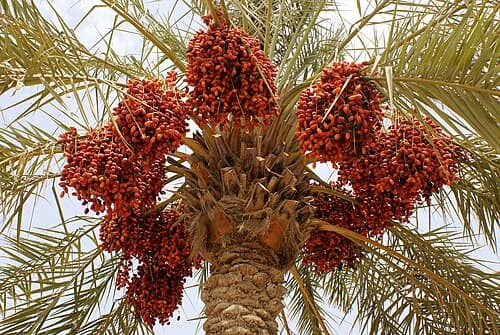
Middle East
The tree of life of the desert, symbol of abundance in arid lands and the most generous of all Arabic trees.

