

1
Protection
👁️
Evil Eye (Middle East)
Middle East
A blue glass bead charm that reflects the envious gaze before it can cause harm.
4.8Learn more →

Middle East
11 charms from this country
Saudi Arabia follows Sunni Islamic tradition, and its charm culture is shaped by strict adherence to the Quran and Sunnah. The primary protective practice is the recitation of specific Quranic verses (ruqyah), particularly the Throne Verse (Ayat al-Kursi) and the two chapters of seeking refuge (al-Mu'awwidhatayn). Tasbih prayer beads are carried universally as both devotional tools and calming companions.
Despite official theological disapproval of traditional amulets, folk practices persist: the hand of Fatima (kaf) appears on jewelry and door ornaments, and blue beads against the evil eye are widely worn. The date palm — Arabia's most sacred tree, fruit of which Muhammad is said to have favored — carries deep associations of divine sustenance and blessing. The crescent and star are emblems of the Islamic faith displayed on homes and vehicles.
Middle East
A blue glass bead charm that reflects the envious gaze before it can cause harm.
Middle East
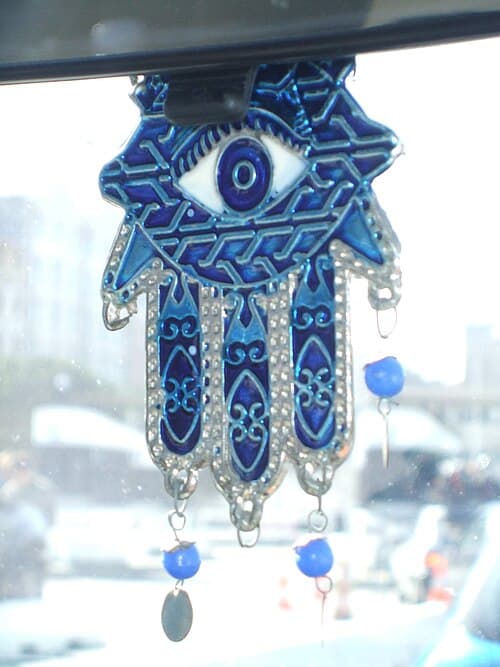
An open palm amulet warding off the evil eye across Middle Eastern and North African cultures.
Middle East / North Africa
The sacred open palm named for the Prophet Muhammad's daughter, a cornerstone of Islamic protective symbolism.

Saudi Arabia
The curved Saudi sabre from the Kingdom's flag, a symbol of justice, courage, and the unified Arabian nation.
Middle East / North Africa
The sacred number five made physical — a numeral-shaped amulet protecting against the five-fingered evil eye.

Saudi Arabia / UAE / Qatar / Kuwait
The iconic long-spouted Arabic coffee pot, a symbol of Gulf hospitality, generosity, and the sacred social ritual of coffee.

UAE / Saudi Arabia / Qatar
The sacred hunting bird of the Arabian Peninsula, a symbol of power, precision, and the noble Bedouin tradition of falconry.

Saudi Arabia / UAE
The world's oldest and most beautiful horse breed, a Bedouin symbol of loyalty, speed, and noble spirit.
Middle East
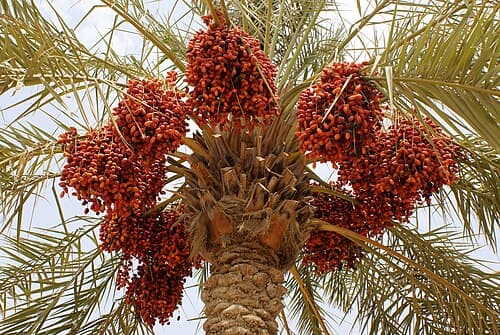
The tree of life of the desert, symbol of abundance in arid lands and the most generous of all Arabic trees.

Middle East
The crescent moon and star, a symbol of Islamic faith found on mosques, flags, and protective amulets across the Muslim world.

Middle East
Thirty-three or ninety-nine beads used to count the ninety-nine names of Allah and cultivate mindful devotion.

