

4
Wealth
🐱
Maneki-neko (Lucky Cat)
Japan
The beckoning cat is Japan's most iconic good-luck charm, believed to wave fortune, customers, and prosperity into any space it occupies.
4.9Learn more →

A miniaturized version of the Maneki-neko's famous beckoning gesture, the lucky cat paw charm captures the essence of the invitation in a small, portable talisman.
The Lucky Cat Paw charm distills the Maneki-neko tradition to its most essential gesture: the raised, beckoning paw itself, isolated from the full cat figure and used as a standalone symbol. This reduction is meaningful — in the symbolic language of East Asian decorative arts, extracting the essential gesture of a powerful symbol and reproducing it in isolation creates a concentrated version of that symbol's energy, unmediated by the decorative elements that surround the full figure.
The paw's beckoning gesture (the Japanese o-ide, a downward-curling hand motion that is the opposite of the Western 'come here' gesture) is one of the most culturally specific details of the Maneki-neko tradition. Where Westerners beckon with an upward-facing palm curling fingers toward themselves, the Japanese and Chinese beckoning motion uses the palm facing down, fingers sweeping downward. This gesture was misinterpreted by early Western observers as 'pushing away,' but in East Asian cultures it is an unambiguous invitation. The lucky cat paw charm reproduces this gesture miniaturized to a pendant scale, allowing the wearer to literally carry the beckoning gesture on their person at all times.
In contemporary Japanese popular culture and street fashion, Lucky Cat Paw imagery has become one of the most widely used motifs in accessories, phone cases, and stationery — functioning simultaneously as a genuine luck charm and as an expression of affiliation with the cute aesthetic (kawaii culture) that is itself a form of cultural identity. This dual function — luck and identity — makes the Lucky Cat Paw one of the most worn of all Japanese traditional luck symbols among younger generations.
The continuous personal carrying of the invitation for good fortune, customers, and prosperity — the beckoning gesture made permanent and portable.
Wear as a pendant or charm on a bracelet as a personal, portable luck invitation. Attach to a keychain for car luck and daily good fortune. Place a Lucky Cat Paw sticker or magnet on a business cash register, laptop, or the inside of a wallet. Give as a small gift to a new business owner or to a student beginning a new school year.
The Maneki-neko Museum in Seto City, Aichi Prefecture (one of Japan's ceramics capitals), holds over 800 different variations of Maneki-neko including dozens of isolated paw designs — documenting how craftspeople throughout the Meiji and Taisho periods experimented with distilling the cat's luck into increasingly concentrated forms.
The full figurine is considered more powerful for activating a specific space (entrance, cash register) because of its complete presence and the multiple symbolic elements (color, bell, coin, paw direction) working together. The paw charm is ideal for personal carry and is considered fully effective for personal luck. They serve complementary rather than competing purposes.
Follow the same logic as the full Maneki-neko: left paw (from the cat's perspective) for attracting customers and people; right paw for attracting money and luck. For a personal charm worn by an individual, the right paw is most commonly chosen for personal wealth, though either is valid depending on what you primarily wish to attract.
In Japan, the cat paw (neko no te) retains the precise beckoning gesture of the Maneki-neko tradition. In Chinese feng shui, the cat paw is less specifically defined and is more freely interpreted as the 'beckoning hand of fortune.' Japanese versions tend to be more precisely rendered in terms of the gesture; Chinese versions may be more stylized or simplified.
Japan
The beckoning cat is Japan's most iconic good-luck charm, believed to wave fortune, customers, and prosperity into any space it occupies.
Japan
The cat bell, derived from the collar bell of the traditional Maneki-neko, is a sound-based luck charm believed to announce the arrival of fortune with each ring.
Japan
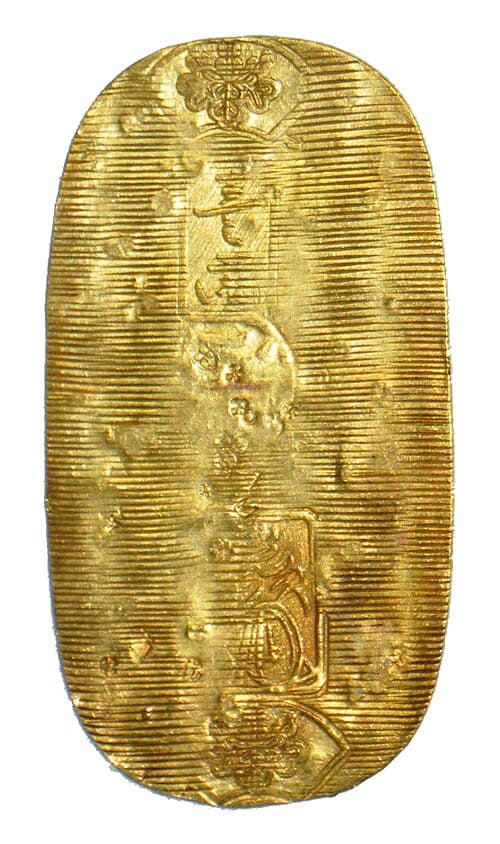
A specialized variant of the Maneki-neko tradition, the beckoning cat coin combines the luck-attracting power of the lucky cat with the wealth-anchoring energy of a coin charm.

Japan
Omamori are sacred Japanese amulets sold at Shinto shrines and Buddhist temples, offering specific divine blessings for love, safety, success, health, or any of dozens of specialized needs.

