

21
Health
☥
Ankh
Egypt
The ancient Egyptian key of life, a symbol of immortality and the union of masculine and feminine forces.
4.7Learn more →


The sacred Egyptian beetle of Khepri, symbol of transformation, rebirth, and the rising sun.
The scarab beetle was one of the most potent protective and lucky symbols in ancient Egyptian civilization, associated with Khepri, the god of the rising sun and daily renewal. The Egyptians observed the dung beetle rolling balls of dung across the desert and saw in this act a perfect metaphor for the sun god rolling the solar disc across the sky — the mundane made divine through observation and reverence. The scarab thus became an emblem of the creative power that keeps the cosmos in motion, the force that brings about transformation from base matter into new life.
Scarab amulets were mass-produced in ancient Egypt from materials ranging from simple faience clay to lapis lazuli, carnelian, and pure gold, and were worn by both the living and the dead. Heart scarabs — large flat scarabs placed over the heart of a mummy — were inscribed with spells from the Book of the Dead to ensure the heart would not betray the deceased during the divine weighing ceremony. Scarab rings served as official seals, stamped into clay to authenticate royal decrees and commercial transactions.
Today, scarab beetle charms remain among the most popular Egyptian souvenirs and lucky charms globally, carrying their ancient resonance of luck, transformation, and persistence into the modern world. The idea that something small and seemingly insignificant can roll the sun across the sky speaks to a universal human hope that persistent effort, no matter how humble, can achieve great things.
Regeneration, transformation, and good fortune. The scarab embodies the belief that from the humblest beginning great things can emerge, and that the cycle of life, death, and rebirth is eternal and trustworthy.
Wear a scarab ring or pendant when undertaking new ventures or major life transitions such as career changes, moves, or new relationships. Place a scarab figurine on a desk to encourage creative problem-solving and persistence. Gift to someone facing a difficult transformation in their life.
Some of the earliest scarab amulets found by archaeologists date to 3100 BCE — making the scarab one of the oldest continuously produced lucky charms in human history, with an unbroken tradition of over 5,000 years.
The Egyptians observed dung beetles emerging apparently spontaneously from balls of dung — they didn't understand the reproductive process — and interpreted this as self-creation, a divine quality. The beetle's act of rolling a ball mirrored their conception of the sun god pushing the solar disc across the sky.
A heart scarab is a large flat scarab amulet placed on the chest of a mummy. It was inscribed with Chapter 30 of the Book of the Dead, a spell instructing the heart not to testify against the deceased during the weighing of the soul ceremony before Osiris.
In Egypt and among admirers of Egyptian culture worldwide, scarab charms are worn with genuine belief in their transformative luck. Many Egyptians today keep scarab amulets alongside Islamic talismans, viewing them as part of their layered cultural heritage.
Egypt
The ancient Egyptian key of life, a symbol of immortality and the union of masculine and feminine forces.

Egypt
The sacred eye of the falcon god, a powerful amulet of healing, protection, and royal authority.
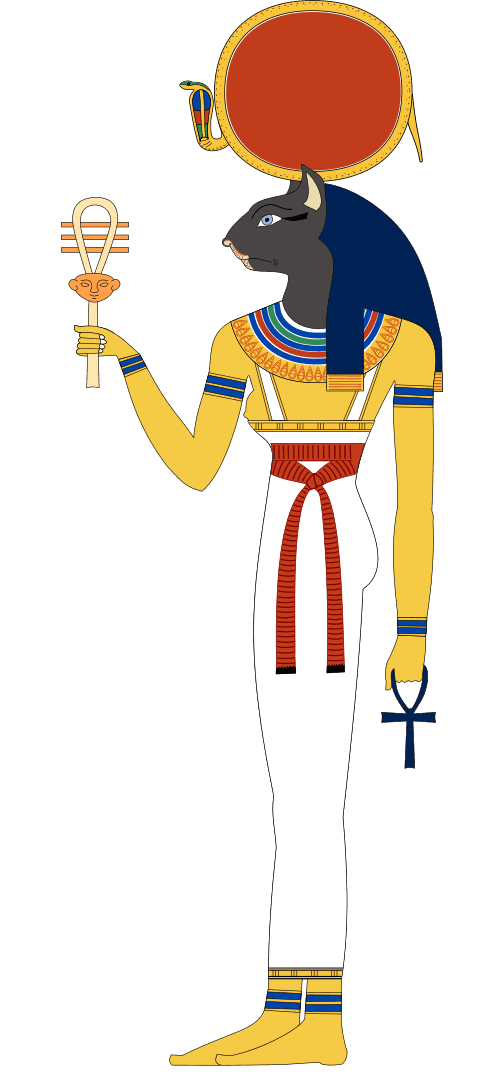
Egypt
A sacred cat amulet embodying the goddess Bastet's protective warmth, fertility, and fierce maternal love.

