

302
Success
☀️
Aztec Sun Stone
Mexico (Aztec/Mexica civilization)
A replica of the great Mexica calendar stone, representing cosmic time, solar power, and the cyclical nature of all creation.
4.6Learn more →

The sacred green stone of Maya royalty, associated with immortality, royal power, and the life-giving force of the maize god.
For the ancient Maya, jade was not merely a beautiful gemstone but a substance of profound sacred power, literally worth more than gold. The deep green color of jadite — the Maya's preferred jade — connected it to the color of corn leaves, rain, and the life-giving vegetation that sustained Mesoamerican civilization. In Maya cosmology, the color green represented the center of the universe and the axis mundi, the world tree that connected the underworld, the human world, and the heavens. To wear jade was to wear the universe's center.
Mayan rulers were buried with jade mosaic death masks, jade earflares, jade necklaces, and jade sculptures of extraordinary artistry. The Palenque ruler Pakal the Great was interred in a jade mask and suit so elaborate it took archaeologists years to fully document. Jade beads were placed in the mouths of the dead to serve as currency in the afterlife. Living kings wore jade as proof of their divine mandate to rule, their bodies literally clothed in the sacred substance of cosmic power.
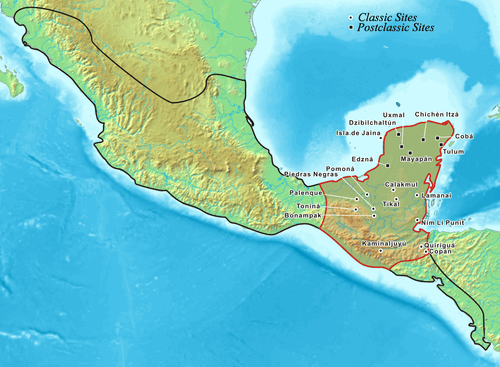
The jade mines of the Motagua Valley in Guatemala were the primary source of this sacred stone for over two thousand years of Mesoamerican civilization. Today, Guatemalan jade artisans continue to work the same ancient stone deposits, creating jewelry and carvings that connect modern wearers to one of the most sophisticated civilizations in world history. Genuine Guatemalan jadite in rich green or blue-green tones remains a prized luxury material.
The Mayan Jade traces its origins to Guatemala and Mexico (Maya civilization), where it has been revered for generations as a powerful symbol of prosperity and abundance. Historical records and oral traditions suggest that early versions of this charm appeared centuries ago, when communities in Guatemala and Mexico (Maya civilization) first began attributing supernatural qualities to objects drawn from their natural and spiritual environment.
Over time, the Mayan Jade evolved from a regional folk object into a widely recognized talisman. Traders, travelers, and migrants carried it across borders, introducing it to new cultures that often adopted and adapted it to fit their own belief systems. Today it is found in guatemala, mexico and beyond, each culture adding its own layer of meaning and ritual to the charm's enduring legacy.
In its homeland of Guatemala and Mexico (Maya civilization), the Mayan Jade occupies a revered place in both daily life and ceremonial practice. It is not merely decorative — it is woven into the fabric of cultural identity, appearing in celebrations, rites of passage, and household traditions that have been passed down through generations.
Beyond Guatemala and Mexico (Maya civilization), the Mayan Jade has gained recognition in guatemala, mexico and other regions, where it is valued for its symbolic connection to financial prosperity. Scholars of material culture and anthropologists note that charms like the Mayan Jade serve a dual psychological function: they provide a tangible focus for hope and intention, and they connect their owners to a living cultural tradition that transcends individual experience.
To get the most from your Mayan Jade, keep it in a place where you will see it daily — on a desk, nightstand, or near your front entrance. Physical proximity reinforces the intention behind the charm and serves as a regular reminder of your goals.
Traditional practice recommends handling the charm with clean hands and respectful intention. Many practitioners in Guatemala and Mexico (Maya civilization) advise setting a clear purpose when you first acquire the charm: hold it, state your wish or goal silently or aloud, and then place it in its chosen position. Periodically cleansing the charm — by passing it through incense smoke, placing it under moonlight, or simply wiping it with a clean cloth — is believed to refresh its energy.
If the charm is meant to be worn (as jewelry or a carried token), keep it close to your body throughout the day. If it is a household object, place it in the area of your home most associated with its purpose — for example, near a workspace for success charms, or by the bed for love and health charms.
Mayan jade represents royalty, divine connection, immortality, and the life force of the maize god who feeds all humanity. It carries the green energy of growth, fertility, and the center of all things. Wearing jade is understood as adorning yourself with cosmic power, aligning your body with the sacred green axis of creation. It brings wealth, vitality, and spiritual protection.
Wear jade close to your heart as a pendant or keep jade beads on your wrist to maintain connection to this green life-force energy. Place jade objects in the wealth corners of your home (southeast in feng shui) or simply in places where you want growth energy to flow. Hold jade during meditation on abundance, on what you want to grow in your life, or on connecting with ancestral wisdom.
The Olmec people who preceded and influenced the Maya also treasured jade above all other materials, calling it 'the green stuff' — chalchihuitl in Nahuatl. Some of the earliest known Mesoamerican jade objects date to approximately 1500 BCE, suggesting that the sacred status of jade in the region predates the Maya civilization by over a thousand years.
Jadite is the rarer, typically more valuable form of jade found in Guatemala, Myanmar, and a few other locations. It comes in a wider range of colors and tends to have a more luminous, glassy quality. Nephrite jade is found more widely, including in Canada and New Zealand, and tends toward greener, softer tones. Mayan jade is specifically jadite from the Motagua Valley region.
Genuine jadite has a glassy, cool feel and a density that makes it feel heavier than it looks. It should feel cool against your skin even in warm environments. A reputable Guatemalan jade dealer will provide certification of authenticity. Be wary of 'new jade' (actually serpentine) or dyed quartzite sold as jade in tourist markets.
In crystal healing traditions, jade that has been handled by many people in retail settings benefits from cleansing before use as a personal charm. Place it in direct moonlight for a full night, or bury it in clean earth for 24 hours. Running water over it briefly also works. Then hold it in your hands and breathe your intentions into it before beginning to wear it.
The Mayan Jade originates from Guatemala and Mexico (Maya civilization), where it has been used as a wealth charm for centuries. Its influence has since spread to guatemala, mexico and many other regions worldwide.
Wear jade close to your heart as a pendant or keep jade beads on your wrist to maintain connection to this green life-force energy. Place jade objects in the wealth corners of your home (southeast in feng shui) or simply in places where you want growth energy to flow. Hold jade during meditation on abundance, on what you want to grow in your life, or on connecting with ancestral wisdom. For best results, set a clear intention when you first acquire the charm and keep it in a prominent, respectful location.
Yes, giving a Mayan Jade as a gift is considered a generous and meaningful gesture in most traditions. In Guatemala and Mexico (Maya civilization), gifted charms are often believed to carry even stronger energy than those purchased for oneself, because they come with the goodwill and intention of the giver.
Many practitioners recommend periodically cleansing your Mayan Jade to refresh its energy. Common methods include passing it through incense smoke, placing it in moonlight overnight, rinsing it under clean water (if the material allows), or simply wiping it down with a clean cloth while setting a fresh intention.
While the Mayan Jade originated in the cultural traditions of Guatemala and Mexico (Maya civilization), it is not exclusive to any single religion. It has been adopted and adapted by people of many faiths and backgrounds, each bringing their own interpretation to its symbolism and use.
Mexico (Aztec/Mexica civilization)
A replica of the great Mexica calendar stone, representing cosmic time, solar power, and the cyclical nature of all creation.

Mexico (Aztec/Toltec civilization)
A symbol of the feathered serpent deity — the union of earthly and divine, wisdom and power, sky and earth — one of Mesoamerica's greatest spiritual concepts.

Guatemala (Motagua Valley)
The true jadite of the ancient Maya, rediscovered in Guatemala's Motagua Valley and worn today as connection to royal ancestral power.

