

32
Protection
✝️
Crucifix
Early Christianity (Rome)
The Crucifix — a cross bearing the corpus (body) of Christ — is the central symbol of Christianity and one of the most powerful protective charms in the Western world.
4.8Learn more →

Americas - Central
10 charms from this country
Guatemala is home to the largest concentration of Maya Indigenous people in Central America, and its charm tradition reflects the remarkable survival of ancient Maya cosmology alongside Spanish Catholicism. Worry dolls (muñecas quitapenas) — tiny cloth dolls from the Quiché Maya tradition — are placed under the pillow at night to take on the worries of the sleeper; by morning, the dolls have absorbed the problems. These are now sold worldwide as one of Guatemala's most beloved exports.
The quetzal bird — brilliant emerald green, the national symbol — is a deeply auspicious creature representing freedom and divine favor. The huipil (Maya women's woven garment) incorporates village-specific protective motifs woven into every square inch. Copal incense has been burned in Maya ceremony for over two thousand years and continues to be used in churches and in traditional Maya ceremonies to carry prayers to the divine.
Early Christianity (Rome)
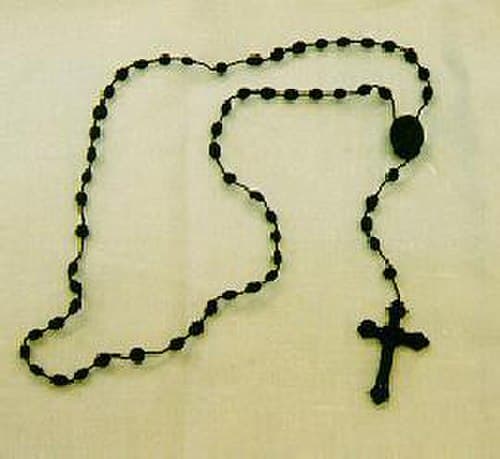
The Crucifix — a cross bearing the corpus (body) of Christ — is the central symbol of Christianity and one of the most powerful protective charms in the Western world.
Medieval Europe
Rosary beads are the most recognizable Catholic prayer tool in the world, used by hundreds of millions for meditative prayer, protection, and the invocation of divine grace.

Mexico (Catholic folk tradition)
Small metal votive charms placed on saint statues or shrines to request miracles or give thanks for prayers answered.

Mexico
The most venerated Catholic image in the Americas — the dark-skinned Virgin who appeared to Juan Diego in 1531, patroness of Mexico and all the Americas.

Mexico and Mesoamerica
The sacred tree resin burned in Mesoamerican ceremonies for thousands of years, carrying prayers to the divine and purifying all it touches.

Mexico (Aztec/Toltec civilization)
A symbol of the feathered serpent deity — the union of earthly and divine, wisdom and power, sky and earth — one of Mesoamerica's greatest spiritual concepts.
Guatemala and Mexico (Maya civilization)
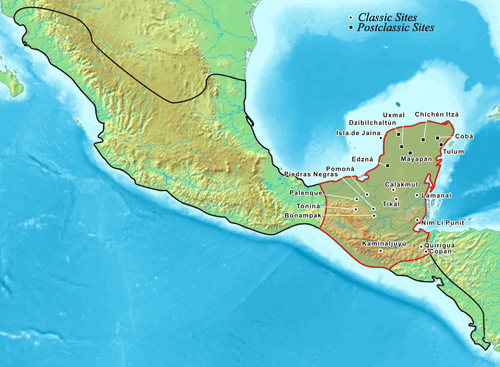
The sacred green stone of Maya royalty, associated with immortality, royal power, and the life-giving force of the maize god.

Guatemala (Motagua Valley)
The true jadite of the ancient Maya, rediscovered in Guatemala's Motagua Valley and worn today as connection to royal ancestral power.

Mexico
The flower of the dead — cempasúchil — whose brilliant orange blooms guide departed souls home during Día de los Muertos.

Guatemala and Mexico (Maya and other Mesoamerican peoples)
A small woven piece of the sacred textile tradition that encodes Maya cosmology, community identity, and ancestral knowledge in every thread.

