

2
General
🍀
Four-Leaf Clover
Ireland
The rarest clover mutation, treasured as nature's own lucky charm.
4.9Learn more →

Americas - Central
24 charms from this country
Mexico has one of the world's richest syncretisms of Indigenous and Spanish Catholic charm traditions. The milagros (miracles) — small metal votive offerings in the shape of body parts, animals, or other objects — are attached to saint statues in churches as petitions and thank-offerings, one of the most beautiful and touching folk-art traditions in the Americas. The ojo de dios (God's eye) — a yarn-wrapped cross made by Huichol people — is a protective charm that protects the household and its children.
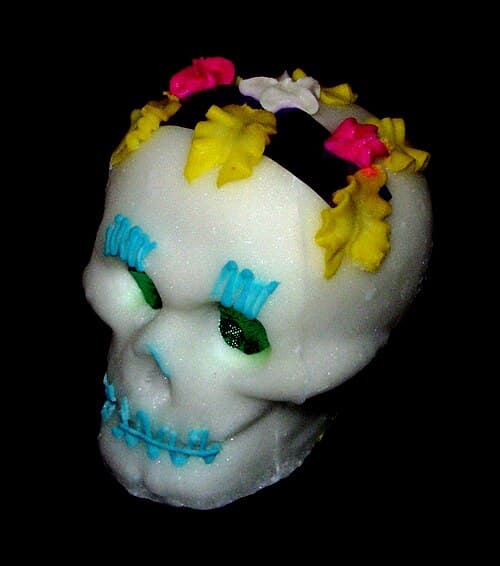
The Virgen de Guadalupe is the supreme protective figure of Mexican Catholicism, with her image carried on medals, tattooed on skin, and displayed in homes and on trucks throughout the country. The calavera (skull) of Día de los Muertos is not morbid but a loving acknowledgment of ancestors whose blessing is sought. The Aztec sun calendar encodes the cosmic order, and the chili pepper (chile) is a specifically Mexican luck-bringer hung at doorways.
Ireland
The rarest clover mutation, treasured as nature's own lucky charm.
United Kingdom
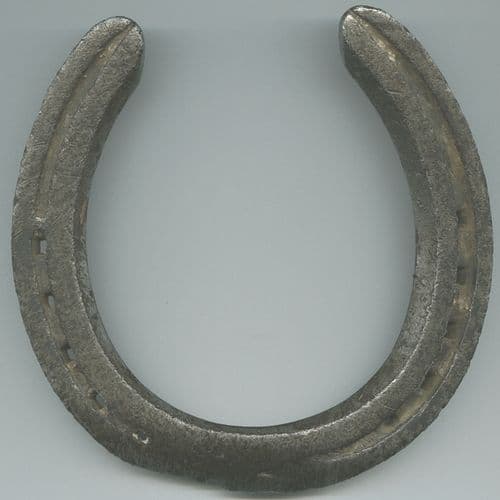
An iron crescent hung above doorways to catch and hold good luck.

United Kingdom
The humble copper coin that promises a turn of fortune when found heads-up.

Early Christianity (Rome)
The Crucifix — a cross bearing the corpus (body) of Christ — is the central symbol of Christianity and one of the most powerful protective charms in the Western world.
Medieval Europe
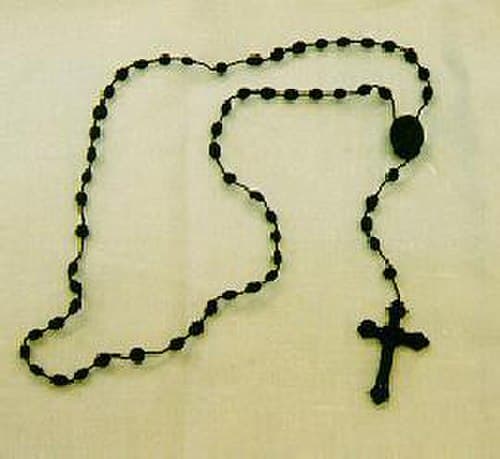
Rosary beads are the most recognizable Catholic prayer tool in the world, used by hundreds of millions for meditative prayer, protection, and the invocation of divine grace.

France
The patron saint of travellers whose medal has accompanied millions on journeys.

Pan-Indigenous North America
A sacred symbol across countless Indigenous cultures representing freedom, spiritual connection, and messages from the divine.

Mexico (Catholic folk tradition)
Small metal votive charms placed on saint statues or shrines to request miracles or give thanks for prayers answered.
Mexico
A decorated sugar skull that honors the dead during Día de los Muertos, celebrating the joyful reunion between the living and their beloved ancestors.

Mexico
The most venerated Catholic image in the Americas — the dark-skinned Virgin who appeared to Juan Diego in 1531, patroness of Mexico and all the Americas.

Mexico and Mesoamerica
The sacred tree resin burned in Mesoamerican ceremonies for thousands of years, carrying prayers to the divine and purifying all it touches.
Pan-Indigenous North America
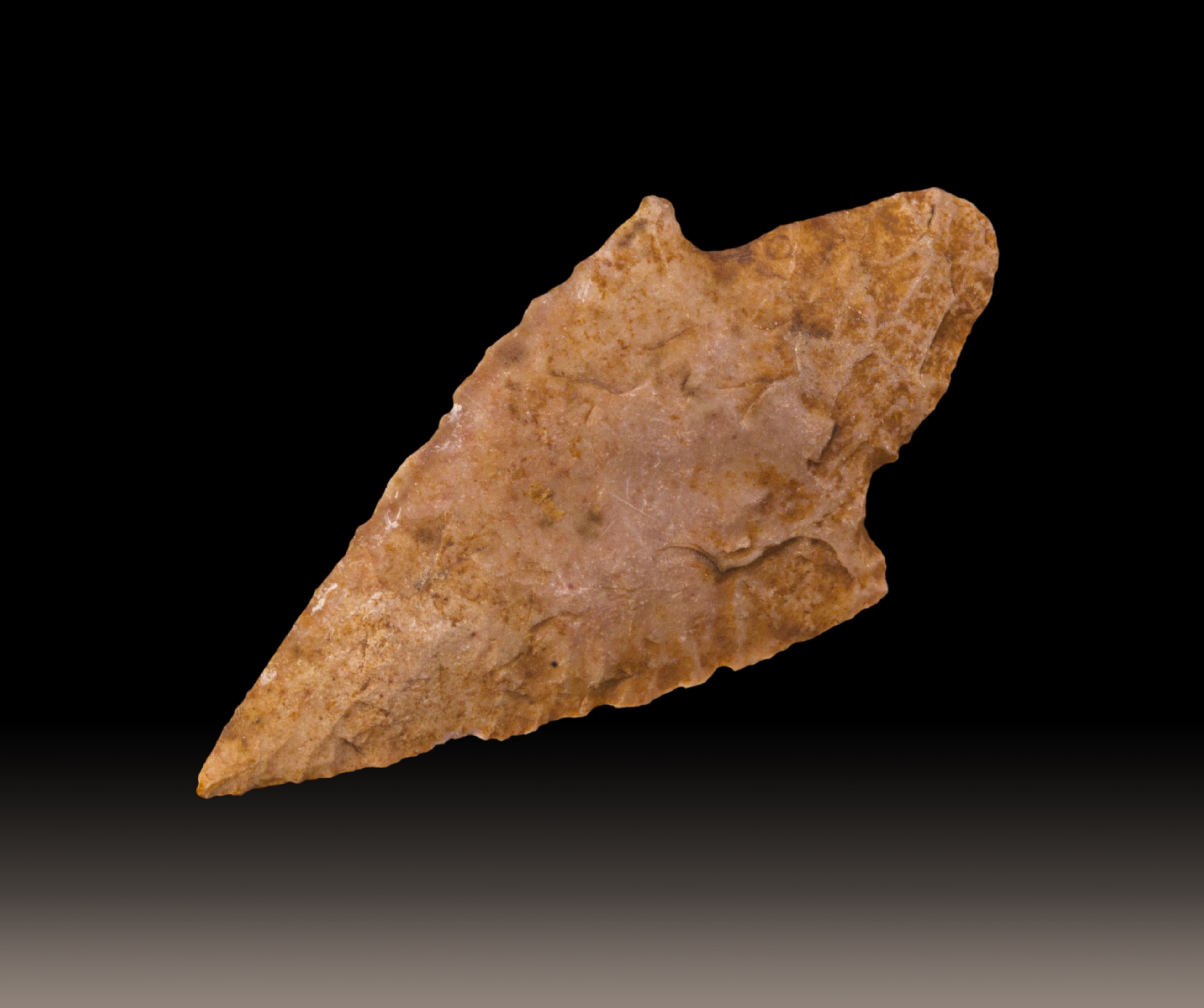
Ancient stone points worn as amulets to deflect evil spirits and negative energy, honoring the skills of ancestral hunters.

Mexico (Aztec/Mexica civilization)
A replica of the great Mexica calendar stone, representing cosmic time, solar power, and the cyclical nature of all creation.

Mexico (Aztec/Toltec civilization)
A symbol of the feathered serpent deity — the union of earthly and divine, wisdom and power, sky and earth — one of Mesoamerica's greatest spiritual concepts.
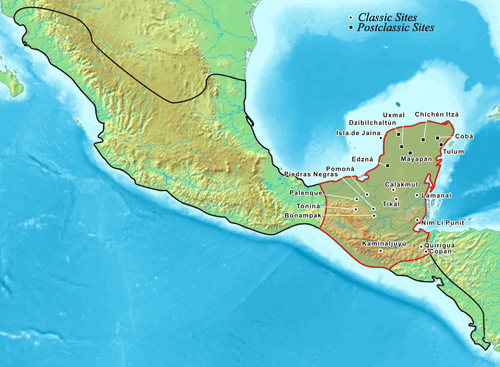
Guatemala and Mexico (Maya civilization)
The sacred green stone of Maya royalty, associated with immortality, royal power, and the life-giving force of the maize god.

Mexico
A charm honoring the prickly pear cactus that sits at the heart of the Mexican national symbol — resilience, nourishment, and flourishing in harsh conditions.

Mexico
The flower of the dead — cempasúchil — whose brilliant orange blooms guide departed souls home during Día de los Muertos.

Guatemala and Mexico (Maya and other Mesoamerican peoples)
A small woven piece of the sacred textile tradition that encodes Maya cosmology, community identity, and ancestral knowledge in every thread.

Huichol people, Mexico
A cross-shaped weaving of yarn on two sticks, representing the protective eye of the divine watching over and guarding the home.
Mexico and Philippines (via Spanish colonial tradition)
A figure of the Christ Child dressed in royal garments, venerated as a worker of miracles especially for children and the sick.

Mexico
The volcanic glass of truth and protection, carried as a powerful charm for revealing hidden truths, cutting karmic ties, and shielding against negative energy.

Morocco
The luminous crystal of the moon goddess, carried as a charm for energetic cleansing, divine light, and the pristine clarity of a mind aligned with higher truth.

China
The rainbow crystal of mental clarity and concentration, carried as a charm for focused thinking, psychic cleansing, and the harmonising of chaotic energy.
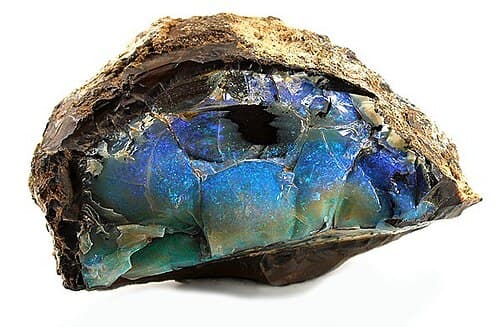
Australia
The rainbow-fire stone of magic and possibility, carried as a charm for amplifying imagination, embracing the full spectrum of emotion, and attracting the unexpected blessings of change.

