Surinamese Maroon Charm
Suriname (Maroon communities of the interior)
Protective charms from Suriname's Maroon communities โ descendants of escaped enslaved Africans who built free civilizations in the Amazon rainforest.
A jaguar tooth or claw worn as a protective amulet by Indigenous peoples of the Amazonian interior โ the supreme predator's power worn on the human body.
The jaguar (Panthera onca) is the apex predator of the Americas, the largest cat in the Western hemisphere, and one of the most spiritually significant animals across virtually all Indigenous cultures of the Amazon basin and beyond. For the Indigenous peoples of Guyana โ including the Wapishana, Macushi, Patamona, Arawak, and many others โ the jaguar represents the maximum expression of hunting power, fearlessness, and supernatural connection. The jaguar is understood as the Lord of the Forest, the animal that sees equally well in daylight and darkness, who exists on the boundary between the visible and invisible worlds.
Wearing a jaguar tooth or claw as an amulet is one of the most powerful protective charms in Amazonian tradition. The logic is direct and ancient: you wear the weapon of the most powerful hunter to announce to all potentially harmful forces that you carry the jaguar's authority. Beyond the symbolic, the jaguar in many Amazonian traditions is understood as a shaman's spirit helper โ the animal that accompanies healers into the spirit world and protects them during their journeys there. A jaguar tooth thus connects the wearer to shamanic protective power.
Jaguar symbolism extends across Mesoamerica โ where the jaguar was associated with Aztec warriors and the underworld โ and throughout South America, where jaguar ceremonial garments were worn by chiefs and spiritual leaders across dozens of cultures. In the Guianas (Guyana, Suriname, French Guiana), the jaguar retains its status as the supreme spiritual guardian of the forest.

The jaguar tooth represents supreme predatory power, fearlessness, and the ability to see and navigate in darkness โ both literal and metaphorical. It carries the shamanic power of the apex predator, the being that holds all others in the ecosystem in appropriate relationship through the authority of its presence. As a protective charm, it announces that the wearer is not prey, cannot be taken advantage of, and moves through both visible and invisible worlds with confidence.
If you have access to an authentic jaguar tooth or claw (legally sourced from sanctuaries or natural deaths โ never from poaching), wear it as a pendant or keep it in a medicine pouch close to your body for maximum protective power. More commonly, use a carved jaguar tooth in bone, stone, or resin. Place jaguar imagery in your workspace to invoke supreme competence and fearlessness in competitive environments.
The jaguar's name comes from the Tupi-Guaranรญ word 'yaguara,' meaning 'he who kills with one leap' โ a name given by Amazonian peoples who observed this animal's hunting style with awe. Unlike lions and wolves, jaguars are primarily solitary, making them potent symbols of self-sufficient power โ the individual who needs no pack to be the most powerful entity in any situation.
Jaguar teeth and body parts are regulated under CITES (the Convention on International Trade in Endangered Species). In many countries, possession of jaguar parts is prohibited or requires documentation of legal origin. Teeth from jaguars that died in licensed sanctuaries or zoos may be legally transferred in some jurisdictions. Always verify the legal status in your country before acquiring any jaguar materials. Ethical alternatives include carved reproductions in bone, antler, or stone.
In many Amazonian traditions, powerful shamans (pajรฉs, piayes, or piaches depending on the culture) are believed to be able to transform into jaguars or to have jaguar spirit helpers who travel with them into the spirit world. The ability to 'become jaguar' is one of the highest shamanic accomplishments โ it represents mastery of the boundary between the human and animal worlds and control over the most powerful forces in the forest ecosystem.
Beyond the jaguar, anaconda teeth and skin represent water power and transformation. Harpy eagle feathers invoke sky power and supreme vision. Tapir bones represent strength and groundedness. Caiman skin and teeth carry river power. Each animal's protective qualities derive from its ecological role and its position in the specific cosmological understanding of the Guyanese Indigenous cultures who work with it.
Suriname (Maroon communities of the interior)
Protective charms from Suriname's Maroon communities โ descendants of escaped enslaved Africans who built free civilizations in the Amazon rainforest.
Haiti (Haitian Vodou tradition)
Sacred geometric symbols drawn in cornmeal or flour to invoke specific Lwa (spirits) in Haitian Vodou ceremonies.

Pan-Indigenous North America
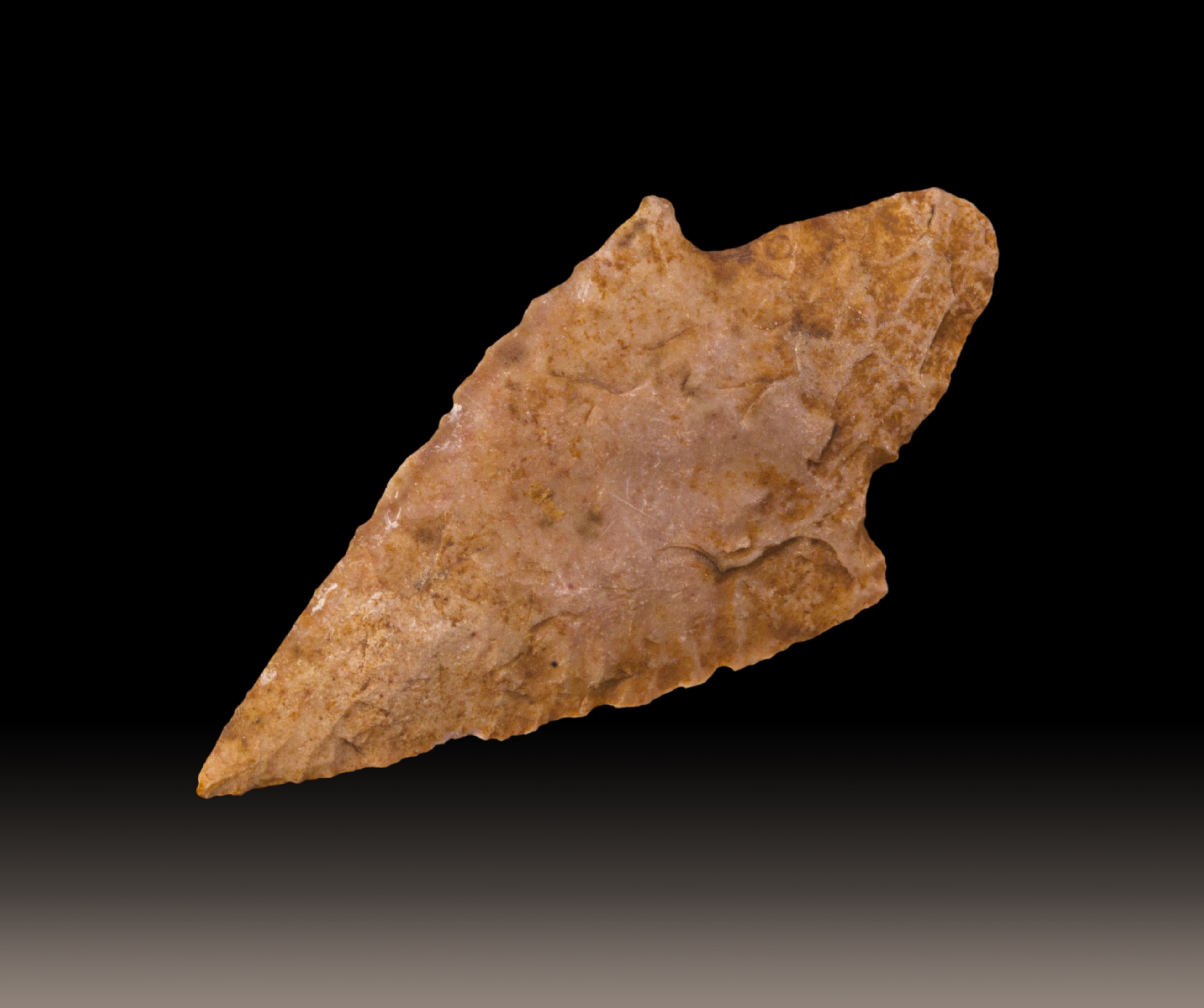
Ancient stone points worn as amulets to deflect evil spirits and negative energy, honoring the skills of ancestral hunters.