

4
Wealth
🐱
Maneki-neko (Lucky Cat)
Japan
The beckoning cat is Japan's most iconic good-luck charm, believed to wave fortune, customers, and prosperity into any space it occupies.
4.9Learn more →

Americas - South
9 charms from this country
Suriname's remarkable ethnic tapestry — Hindustani, Javanese, Creole (Afro-Surinamese), Maroon (Bush Negro), Chinese, Indigenous, and Dutch — has produced one of the world's most eclectic charm cultures. The Maroon peoples, descendants of escaped enslaved Africans who built free communities in the jungle, maintain one of the most intact West African-derived spiritual traditions in the Americas in the form of Winti, a religious system with specific amulet and protective practices.
The Hindustani community maintains Hindu traditions of Ganesha, diya lamps, and mala beads. The Javanese community brings keris daggers and Javanese protective practices. The Chinese community carries standard Chinese luck symbols. Winti protective objects (obiyas) are used across ethnic groups for specific life problems.
Japan
The beckoning cat is Japan's most iconic good-luck charm, believed to wave fortune, customers, and prosperity into any space it occupies.

China
Lucky Bamboo is a feng shui staple believed to bring good fortune, prosperity, and positive energy when placed in the home or office.

India
The primordial sound of the universe, Om is the most sacred symbol in Hinduism, Buddhism, and Jainism.
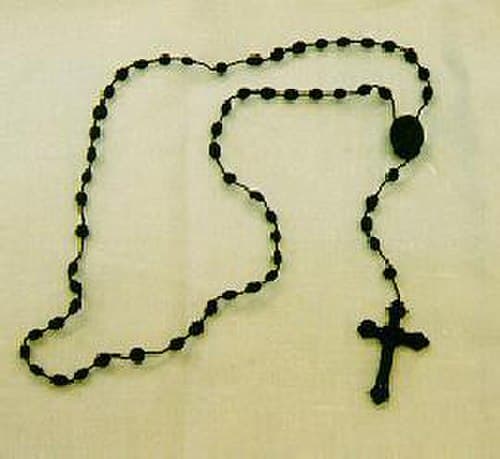
Medieval Europe
Rosary beads are the most recognizable Catholic prayer tool in the world, used by hundreds of millions for meditative prayer, protection, and the invocation of divine grace.

India
A string of 108 prayer beads used for mantra repetition, mala beads align the practitioner's energy with divine intention through meditative counting.
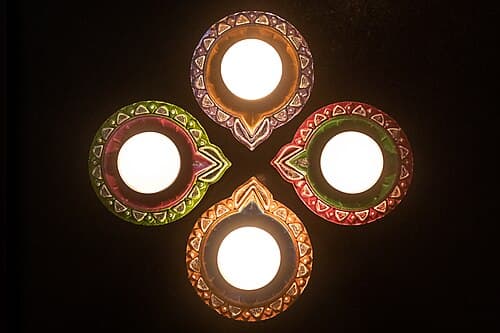
India
The clay oil lamp is the most fundamental symbol of the dispelling of darkness and the inviting of divine light into one's life.

West Africa
Ancient African currency and fertility symbol used across the continent for centuries.

Guyana (Indigenous Amerindian communities)
A jaguar tooth or claw worn as a protective amulet by Indigenous peoples of the Amazonian interior — the supreme predator's power worn on the human body.

Suriname (Maroon communities of the interior)
Protective charms from Suriname's Maroon communities — descendants of escaped enslaved Africans who built free civilizations in the Amazon rainforest.

