

172
Protection
🏯
Thai Spirit House
Thailand
A miniature dwelling placed outside Thai homes and businesses to house the property's protective spirit and maintain good relations with the spirit world.
4.6Learn more →


Thailand's goddess of prosperity and good fortune, Nang Kwak beckons customers and wealth with her raised right hand.
Nang Kwak is a uniquely Thai prosperity goddess who occupies the same cultural niche as the Chinese Maneki-neko (Lucky Cat) and the Japanese Fukusuke — a smiling figure with one hand raised to beckon wealth and customers. She is typically depicted as a beautiful young woman dressed in traditional Thai clothing, usually in red and gold, seated in a graceful position with her right hand raised, palm out, in the welcoming gesture, and her left hand holding a money bag. A red sash across her chest symbolizes good fortune, and her serene expression promises that prosperity will flow calmly and abundantly.
The origins of Nang Kwak trace to the ancient spirit Mae Po Sop (the rice goddess) and to Indian goddess traditions that entered Thai culture through the same Brahmanical influences that brought Lakshmi, Saraswati, and other divine feminine figures. Over centuries, these influences merged with indigenous Thai animism to create a distinctly Thai prosperity goddess who speaks to the specific commercial culture of the region. Unlike Lakshmi, who requires elaborate ritual worship, Nang Kwak is a thoroughly accessible deity — a simple figurine placed in a shop window or near the cash register suffices to establish a protective and prosperous connection.
Nang Kwak figurines are ubiquitous in Thai businesses, from street food stalls to five-star hotels. The figurine is always placed at a height above floor level, typically with offerings of incense, water, and fresh flowers refreshed regularly. In her most powerful form she holds both a money bag and a cup of prosperity, indicating that she both attracts and holds wealth — preventing it from flowing out as fast as it flows in.
Welcoming of customers, attraction of business prosperity, continuous flow of wealth, and the benevolent feminine principle of Thai commercial success.
Place a Nang Kwak figurine near the cash register or main entrance of a business, positioned at eye level or above, with her beckoning hand visible from the street. Offer fresh jasmine garlands, a small glass of red Fanta (traditional offering), incense, and candles daily. Greet her respectfully each morning when opening the business.
The offering of red Fanta soda to Nang Kwak and other Thai spirits is a uniquely modern folk adaptation. The tradition of offering red liquid dates to ancient times when red syrup drinks were offered as symbolic blood offerings without actual sacrifice. When Fanta became widely available in Thailand in the mid-20th century, its red variant was seamlessly adopted as a convenient modern substitute.
They occupy the same cultural role and were likely influenced by each other through trade contact between Thai and Chinese merchants. However, Nang Kwak is distinctly Thai in origin and iconography — she is a goddess figure, not an animal. The resemblance in function reflects the universal human desire for a visible, welcoming symbol of commercial prosperity.
The right hand is raised in the beckoning gesture. The left hand holds the money bag. This specific configuration is considered essential — an incorrect figurine with the wrong hand raised is considered improperly made and less effective. When purchasing, ensure the right hand faces outward toward potential customers.
Absolutely. Many Thai households keep Nang Kwak in the living room, kitchen, or home office to attract domestic prosperity. In the home context, she is placed where family finances are managed, or near the front entrance. The daily offerings remain the same: incense, water, and flowers are the minimum respectful tribute.
Thailand
A miniature dwelling placed outside Thai homes and businesses to house the property's protective spirit and maintain good relations with the spirit world.
Thailand
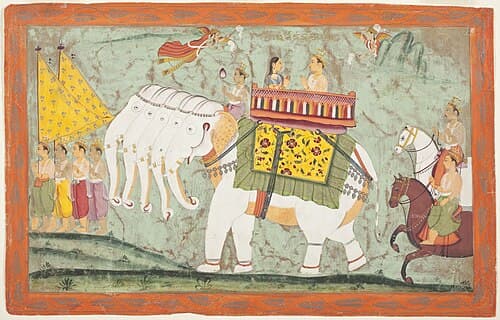
The divine three-headed elephant Erawan serves as the mount of Indra and a supreme symbol of royal power and cosmic protection.

Thailand
The four-faced Brahma deity is Thailand's most widely venerated Hindu god, granting wishes to all who pray with sincere hearts.

Vietnam
The beckoning cat figure adopted into Vietnamese commerce culture attracts customers and wealth to businesses throughout Vietnam.

