
15
Protection
🕉️
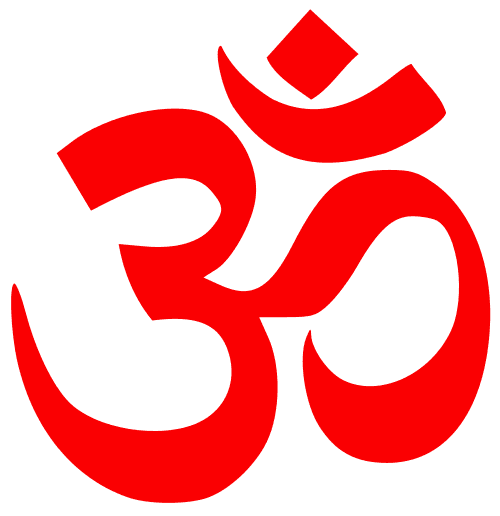
Om Symbol
India
The primordial sound of the universe, Om is the most sacred symbol in Hinduism, Buddhism, and Jainism.
4.9Learn more →


Rising pure from muddy water, the lotus is the universal symbol of spiritual awakening and untouched beauty across Asia.
The lotus flower holds perhaps the most philosophically rich symbolism of any plant in Asian spiritual traditions. Growing with its roots in mud and its bloom rising pristine above the water's surface, it is a perfect natural metaphor for the soul's journey through worldly existence toward enlightenment. In Hinduism, the lotus is Padma — the throne of Lakshmi, the goddess of wealth, and the seat of Brahma the creator. To sit or stand on a lotus is a mark of supreme divinity, indicating that one rests above the contamination of material existence.
In Buddhism, the lotus carries layers of meaning tied to the Buddha's own birth legend, in which lotus flowers reportedly bloomed beneath his feet with each of his first seven steps. The closed lotus bud represents potential — the soul before awakening. The fully open bloom represents full enlightenment, the state in which one is present, receptive, and unblemished by ego. The pink lotus is reserved for the highest Buddhas; the white lotus for mental purity; the blue lotus for wisdom; and the red lotus for the heart and compassion.
Practically, lotus motifs appear on amulets, textiles, temple architecture, and everyday objects across the region with an ease that speaks to their deep integration into cultural aesthetics. In Vietnam, the lotus is the national flower and appears on banknotes, official seals, and festival decorations. In Thailand, fresh lotus buds are offered daily at shrines and temples. As a lucky charm, the lotus reminds its bearer that beauty, purity, and spiritual awakening are always possible regardless of one's circumstances.
Spiritual purity, enlightenment, divine beauty, the soul's capacity to rise above difficult circumstances, and the unfolding of inner potential.
Place lotus imagery in prayer spaces and living areas to invite spiritual clarity. Wear a lotus pendant during meditation practice. Offer fresh lotus flowers at altars. A lotus motif in the bedroom promotes restful, pure-minded sleep and positive dreaming.
The lotus has an extraordinary ability to thermoregulate its flowers, maintaining a temperature of 30–36°C even when air temperature drops significantly. Ancient Hindu and Buddhist scholars who observed this property interpreted it as evidence of the flower's divine nature.
Pink lotus is considered the most universally auspicious, associated with the highest deities. White lotus is preferred for meditation spaces. Red lotus is used in love and heart-related contexts. Gold lotus imagery is excellent for wealth altars.
Yes, absolutely. A living lotus plant in a home garden or water feature is considered extremely auspicious, especially in Vastu Shastra. The plant brings the energy of purification and spiritual elevation directly into the home environment.
Yes. In Chinese tradition (which shares roots with Indian Buddhist symbolism), the lotus is a symbol of purity, harmony, and prosperity. It is one of the Eight Auspicious Symbols of Buddhism used across all East and Southeast Asian Buddhist cultures.
India
The primordial sound of the universe, Om is the most sacred symbol in Hinduism, Buddhism, and Jainism.

India
The eight-spoked wheel represents the Buddha's Noble Eightfold Path and the turning of cosmic law, one of the most universal Buddhist symbols.

India
A leaf from the sacred Bodhi tree, site of the Buddha's enlightenment, is a tangible connection to the moment of history's most celebrated awakening.

India
A string of 108 prayer beads used for mantra repetition, mala beads align the practitioner's energy with divine intention through meditative counting.

