
362
Health
🎀
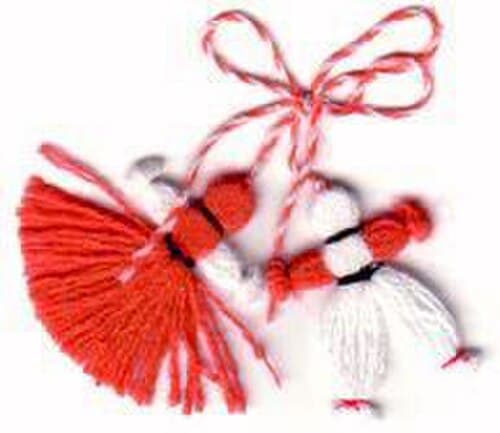
Bulgarian Martenitsa
Bulgaria
Bulgaria's red and white spring charm worn from March 1st to celebrate winter's end and invite health and happiness.
4.6Learn more →


The Rosa Damascena of Bulgaria's Rose Valley — the world's finest rose oil and a symbol of beauty, healing love, and fragrant abundance.
Bulgaria's Rose Valley (Rozova Dolina) in the Thracian plain between the Balkan and Sredna Gora mountain ranges produces more rose oil (attar of roses) than anywhere else in the world — over 70% of the global supply comes from this narrow strip of land. The Damask rose (Rosa Damascena) grown here requires harvesting by hand in a brief May window of cool, dewy dawn hours, making each kilogram of oil worth more than gold.
As a lucky charm, the Bulgarian rose carries both the flower's universal love symbolism and the unique energy of extraordinary concentrated essence. Rose oil requires 3-5 tonnes of petals to produce one kilogram of attar — making Bulgarian rose oil one of nature's most concentrated gifts. A rose charm from Bulgaria invites love that is similarly concentrated: intense, precious, and genuinely rare.
In Bulgarian folk medicine, rose water and rose jam (сладко от рози) are health remedies for sore throats, heart palpitations, and low spirits. The rose is both medicine and beauty — a combination that perfectly expresses the folk understanding that genuine health includes joy and that love is itself a medicine.
The Bulgarian Rose traces its origins to Bulgaria, where it has been revered for generations as a powerful symbol of romantic devotion and emotional connection. Historical records and oral traditions suggest that early versions of this charm appeared centuries ago, when communities in Bulgaria first began attributing supernatural qualities to objects drawn from their natural and spiritual environment.
Over time, the Bulgarian Rose evolved from a regional folk object into a widely recognized talisman. Traders, travelers, and migrants carried it across borders, introducing it to new cultures that often adopted and adapted it to fit their own belief systems. Today it is found in bulgaria and beyond, each culture adding its own layer of meaning and ritual to the charm's enduring legacy.
In its homeland of Bulgaria, the Bulgarian Rose occupies a revered place in both daily life and ceremonial practice. It is not merely decorative — it is woven into the fabric of cultural identity, appearing in celebrations, rites of passage, and household traditions that have been passed down through generations.
Beyond Bulgaria, the Bulgarian Rose has gained recognition in bulgaria and other regions, where it is valued for its symbolic connection to romantic fulfillment. Scholars of material culture and anthropologists note that charms like the Bulgarian Rose serve a dual psychological function: they provide a tangible focus for hope and intention, and they connect their owners to a living cultural tradition that transcends individual experience.
To get the most from your Bulgarian Rose, keep it in a place where you will see it daily — on a desk, nightstand, or near your front entrance. Physical proximity reinforces the intention behind the charm and serves as a regular reminder of your goals.
Traditional practice recommends handling the charm with clean hands and respectful intention. Many practitioners in Bulgaria advise setting a clear purpose when you first acquire the charm: hold it, state your wish or goal silently or aloud, and then place it in its chosen position. Periodically cleansing the charm — by passing it through incense smoke, placing it under moonlight, or simply wiping it with a clean cloth — is believed to refresh its energy.
If the charm is meant to be worn (as jewelry or a carried token), keep it close to your body throughout the day. If it is a household object, place it in the area of your home most associated with its purpose — for example, near a workspace for success charms, or by the bed for love and health charms.
Concentrated love, healing through beauty, the precious rarity of genuine feeling, feminine power, and the extraordinary that emerges from patient cultivation.
Anoint yourself with Bulgarian rose water before important romantic encounters or whenever you wish to attract love energy. Keep a rose quartz or ceramic rose charm in the bedroom. Wear a rose petal potpourri sachet in your clothing for continuous rose energy throughout the day.
The 2024 price for Bulgarian rose oil exceeded $10,000 per kilogram, making it one of the world's most expensive natural substances by weight — outpricing most precious metals. A single drop of pure Bulgarian rose oil contains the essence of approximately 30 to 50 rose blossoms.
Rose symbolism is universal, but Bulgarian rose carries additional energy from its exceptional concentration (more petals per drop of oil than any other rose), its mountain valley origin, and the dawn-harvesting ritual that produces it.
Rose energy is for anyone seeking love, healing, or beauty. Bulgarian men drink rose brandy (rozova rakiya) and use rose water in folk medicine without any gendered limitation. The rose's healing properties are universal.
Bulgarian rose water is readily available and makes a beautiful daily blessing — spray it on yourself or your space while setting a loving intention. Rose jam eaten in spring invites the season's love energy in edible form.
The Bulgarian Rose originates from Bulgaria, where it has been used as a love charm for centuries. Its influence has since spread to bulgaria and many other regions worldwide.
Anoint yourself with Bulgarian rose water before important romantic encounters or whenever you wish to attract love energy. Keep a rose quartz or ceramic rose charm in the bedroom. Wear a rose petal potpourri sachet in your clothing for continuous rose energy throughout the day. For best results, set a clear intention when you first acquire the charm and keep it in a prominent, respectful location.
Yes, giving a Bulgarian Rose as a gift is considered a generous and meaningful gesture in most traditions. In Bulgaria, gifted charms are often believed to carry even stronger energy than those purchased for oneself, because they come with the goodwill and intention of the giver.
Many practitioners recommend periodically cleansing your Bulgarian Rose to refresh its energy. Common methods include passing it through incense smoke, placing it in moonlight overnight, rinsing it under clean water (if the material allows), or simply wiping it down with a clean cloth while setting a fresh intention.
While the Bulgarian Rose originated in the cultural traditions of Bulgaria, it is not exclusive to any single religion. It has been adopted and adapted by people of many faiths and backgrounds, each bringing their own interpretation to its symbolism and use.
Bulgaria
Bulgaria's red and white spring charm worn from March 1st to celebrate winter's end and invite health and happiness.

Hungary
The beloved tulip of Hungarian folk art — a symbol of love, spring renewal, and the flowering of life's gifts.

Turkey
The Ottoman empire's sacred flower — the tulip that conquered Europe — symbol of divine beauty and perfect love.

