

240
Protection
⚡
Yoruba Orisha Charm
Nigeria
Consecrated charm aligned with a specific Yoruba orisha, channeling divine power for the wearer's protection and purpose.
4.9Learn more →

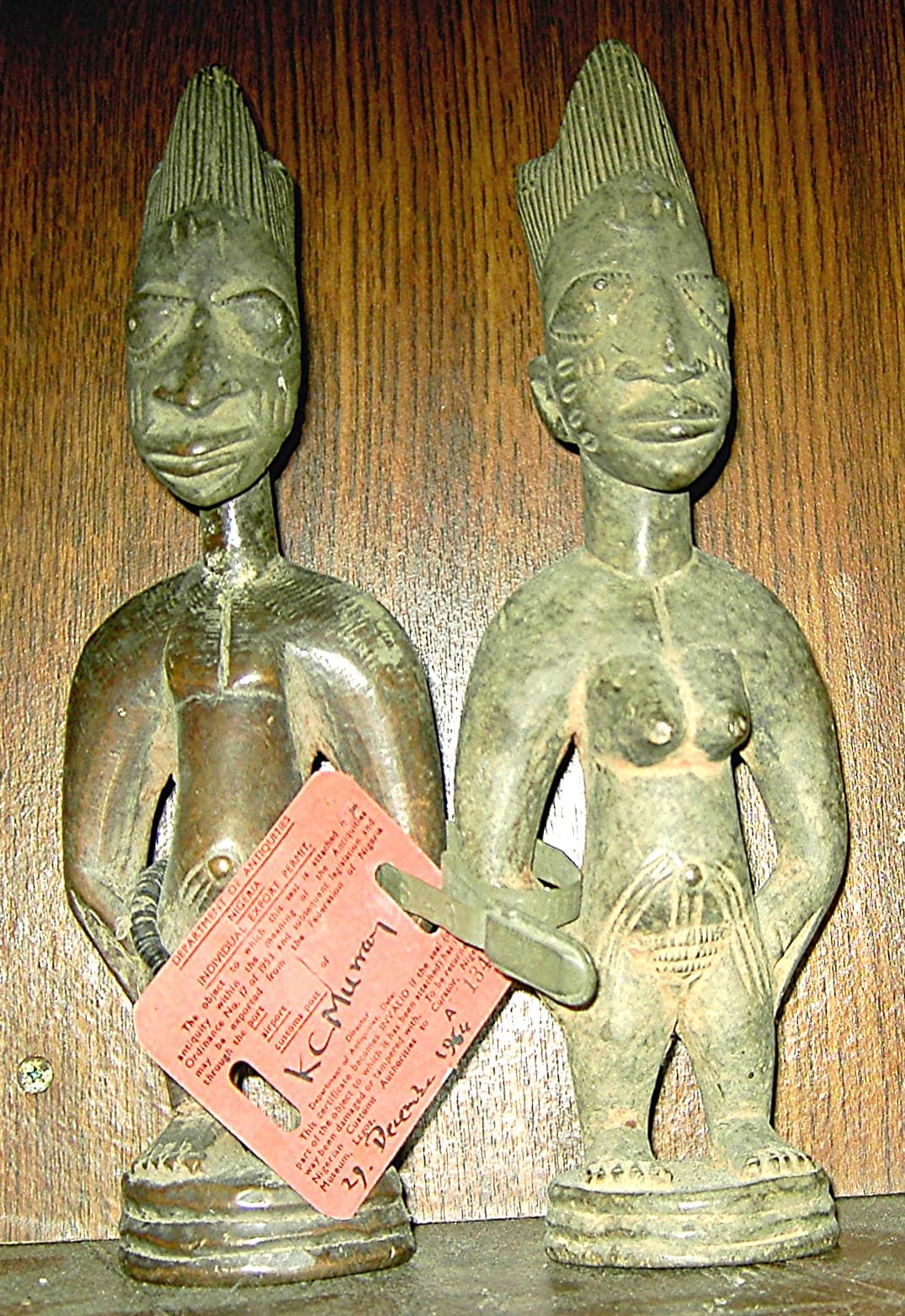
Sacred twin figure used to house the spirit of a deceased twin, ensuring the family's continued blessing.
The Yoruba people of Nigeria have one of the world's highest rates of twin births, and they have developed a profound and elaborate spiritual response to this phenomenon. Twins (ibeji) are considered sacred gifts from Shango, the orisha of thunder, and from the divine itself. When both twins survive, they bring the family extraordinary good fortune. When one twin dies — a historically common tragedy given historical infant mortality rates — the surviving twin and the family face a profound spiritual crisis. The spirit of the deceased twin, if not properly honored, might cause harm out of loneliness and neglect.
The solution the Yoruba developed is the ere ibeji — a carved wooden figure made to specifications that honor the deceased twin. These small figures, typically 20-30 centimeters tall, are carved by professional sculptors in a style that conventionally represents ideal Yoruba human proportions. The surviving twin's parent carries the figure, feeds it symbolic food, bathes it, dresses it in beads, and includes it in family activities as if the deceased child were still present. When the surviving twin eventually dies, both figures are buried together or passed to other family members who continue to honor them. Over time, the accumulated ritual attention makes the figures extraordinarily potent spiritual objects.
Ere ibeji are among the most collected African art objects in the world — unfortunately often removed from their ritual context in ways that disrupted the spiritual care they required. In their proper use, they represent an astounding human response to the grief of child loss: instead of forgetting or purely mourning, the Yoruba chose to keep the relationship alive and active, channeling grief into ongoing devotion.
Honor and connection to deceased twins, continued family blessing from the twin's spirit, the sacred status of twin birth, healing of grief through active devotion, and divine favor from Shango.
Ibeji figures are most appropriately used by Yoruba families with twin traditions. For broader use, a pair of matching figures on an altar can represent spiritual balance and partnership — the union of complementary forces. They are used in fertility prayers and rituals honoring the sacred bond between siblings.
The Yoruba world contains approximately 45 twins per 1,000 births — one of the highest twin birth rates on earth. Scientists have linked this to the high yam consumption in the Yoruba diet, as yams contain phytoestrogens that may stimulate hyperovulation. Whatever the cause, the Yoruba built an entire spiritual system around this biological reality.
This is a debated ethical question. Historical museum collections contain thousands of ibeji removed from their spiritual contexts, sometimes by force or deception. Many scholars and Yoruba community members prefer that figures remain in their proper ritual contexts or be repatriated. If collecting, purchasing from families who no longer maintain the ritual practice (rare) is more ethical than buying from dealers who sourced from active contexts.
Standard ibeji features include a large head (reflecting Yoruba aesthetics where the head carries divine essence), detailed hairstyle typical of the carver's community, minimal body, outstretched arms, and feet pointing downward. They are carved in pairs and often decorated with indigo, beads, and metal ornaments.
Yes — because of their association with the extraordinarily fertile phenomenon of twins and their connection to Shango's power, ibeji figures are used in fertility rituals in Yoruba tradition. Women hoping for children may pray before ibeji figures and make offerings to the twin orishas.
Nigeria
Consecrated charm aligned with a specific Yoruba orisha, channeling divine power for the wearer's protection and purpose.

Nigeria
Horned Igbo personal shrine figure representing the right hand of achievement and personal destiny.

Nigeria
Sacred red coral beads of Nigerian royalty — symbols of divine right to rule and vessels of oba power.

