

240
Protection
⚡
Yoruba Orisha Charm
Nigeria
Consecrated charm aligned with a specific Yoruba orisha, channeling divine power for the wearer's protection and purpose.
4.9Learn more →


Sacred red coral beads of Nigerian royalty — symbols of divine right to rule and vessels of oba power.
In Yoruba and Edo cultures of southern Nigeria, coral beads hold a sacred status that transcends mere jewelry. Red coral (Corallium rubrum), imported historically from the Mediterranean, became the exclusive prerogative of kings (obas), chiefs, and their royal families. The Oba of Benin, one of the most ancient royal offices in sub-Saharan Africa, is traditionally depicted covered from head to toe in coral beads — thousands of them forming a beaded suit of armor that weighs many kilograms. This extraordinary display is not vanity but theology: the coral beads are believed to contain the accumulated spiritual power of all previous obas, making them literally the garment of royal divinity.
The spiritual significance of coral in Nigerian tradition derives from its ocean origin. The Yoruba deity Olokun, ruler of the ocean depths, is the patron of wealth, fertility, and the deep mysteries of the sea. Coral, growing in the ocean's embrace, absorbs Olokun's power and brings it to the surface world. Wearing coral connects the wearer to this oceanic abundance and to the mystery of deep, hidden things. For Yoruba devotees, coral beads are used in the initiation of priests and devotees to various orishas, particularly Olokun, Obatala (clarity and purity), and Yemoja (mother of waters).
Today, genuine red coral beads remain expensive and sought after in Nigerian markets. Coral jewelry made in Nigeria — bracelets, necklaces, and head pieces — is given at important ceremonies including naming ceremonies, weddings, and coronations. Outside Nigeria, coral beads are valued as symbols of African royal heritage and as general charms of abundance, authority, and connection to the divine feminine power of the sea.
The Nigerian Coral Bead traces its origins to Nigeria, where it has been revered for generations as a powerful symbol of prosperity and abundance. Historical records and oral traditions suggest that early versions of this charm appeared centuries ago, when communities in Nigeria first began attributing supernatural qualities to objects drawn from their natural and spiritual environment.
Over time, the Nigerian Coral Bead evolved from a regional folk object into a widely recognized talisman. Traders, travelers, and migrants carried it across borders, introducing it to new cultures that often adopted and adapted it to fit their own belief systems. Today it is found in nigeria and beyond, each culture adding its own layer of meaning and ritual to the charm's enduring legacy.
In its homeland of Nigeria, the Nigerian Coral Bead occupies a revered place in both daily life and ceremonial practice. It is not merely decorative — it is woven into the fabric of cultural identity, appearing in celebrations, rites of passage, and household traditions that have been passed down through generations.
Beyond Nigeria, the Nigerian Coral Bead has gained recognition in nigeria and other regions, where it is valued for its symbolic connection to financial prosperity. Scholars of material culture and anthropologists note that charms like the Nigerian Coral Bead serve a dual psychological function: they provide a tangible focus for hope and intention, and they connect their owners to a living cultural tradition that transcends individual experience.
To get the most from your Nigerian Coral Bead, keep it in a place where you will see it daily — on a desk, nightstand, or near your front entrance. Physical proximity reinforces the intention behind the charm and serves as a regular reminder of your goals.
Traditional practice recommends handling the charm with clean hands and respectful intention. Many practitioners in Nigeria advise setting a clear purpose when you first acquire the charm: hold it, state your wish or goal silently or aloud, and then place it in its chosen position. Periodically cleansing the charm — by passing it through incense smoke, placing it under moonlight, or simply wiping it with a clean cloth — is believed to refresh its energy.
If the charm is meant to be worn (as jewelry or a carried token), keep it close to your body throughout the day. If it is a household object, place it in the area of your home most associated with its purpose — for example, near a workspace for success charms, or by the bed for love and health charms.
Royal divine authority, oceanic abundance, connection to Olokun and the mystery of the deep, spiritual elevation, and the accumulated power of honored ancestors.
Wear Nigerian coral beads when seeking to project authority or attract abundance. Place coral beads on an altar dedicated to water deities or ancestors. Use them in meditation focused on uncovering hidden resources or tapping deep creative wells.
The Oba of Benin's coral regalia is not merely symbolic — it is treated as a living entity requiring ritual feeding, prayers, and care. Specific priests are dedicated solely to maintaining the royal coral, which has accumulated centuries of devotional attention. The weight of a full coral suit can exceed 35 kilograms, making the coronation ceremony an endurance test of devotion.
Traditional royal coral is deep red (Corallium rubrum from the Mediterranean). However, Nigerian craftsmen also work with pink coral, white coral, and synthetic coral-colored beads. Only the deep red Corallium coral is considered to have full royal and spiritual potency in traditional contexts.
Coral beads are worn by Yoruba and Edo women of all classes, though certain styles (such as full head coverings of coral or certain numbers of strands) are reserved for royalty. Women wear coral at naming ceremonies, weddings, and important festivals as symbols of blessing and status.
Coral is calcium carbonate and relatively fragile. Avoid exposure to acids (including perfume, sweat, and cleaning products), store separately from harder stones, and clean gently with a soft cloth. Traditional practitioners also periodically 'feed' coral beads with offerings of honey or coconut water.
The Nigerian Coral Bead originates from Nigeria, where it has been used as a wealth charm for centuries. Its influence has since spread to nigeria and many other regions worldwide.
Wear Nigerian coral beads when seeking to project authority or attract abundance. Place coral beads on an altar dedicated to water deities or ancestors. Use them in meditation focused on uncovering hidden resources or tapping deep creative wells. For best results, set a clear intention when you first acquire the charm and keep it in a prominent, respectful location.
Yes, giving a Nigerian Coral Bead as a gift is considered a generous and meaningful gesture in most traditions. In Nigeria, gifted charms are often believed to carry even stronger energy than those purchased for oneself, because they come with the goodwill and intention of the giver.
Many practitioners recommend periodically cleansing your Nigerian Coral Bead to refresh its energy. Common methods include passing it through incense smoke, placing it in moonlight overnight, rinsing it under clean water (if the material allows), or simply wiping it down with a clean cloth while setting a fresh intention.
While the Nigerian Coral Bead originated in the cultural traditions of Nigeria, it is not exclusive to any single religion. It has been adopted and adapted by people of many faiths and backgrounds, each bringing their own interpretation to its symbolism and use.
Nigeria
Consecrated charm aligned with a specific Yoruba orisha, channeling divine power for the wearer's protection and purpose.
Nigeria
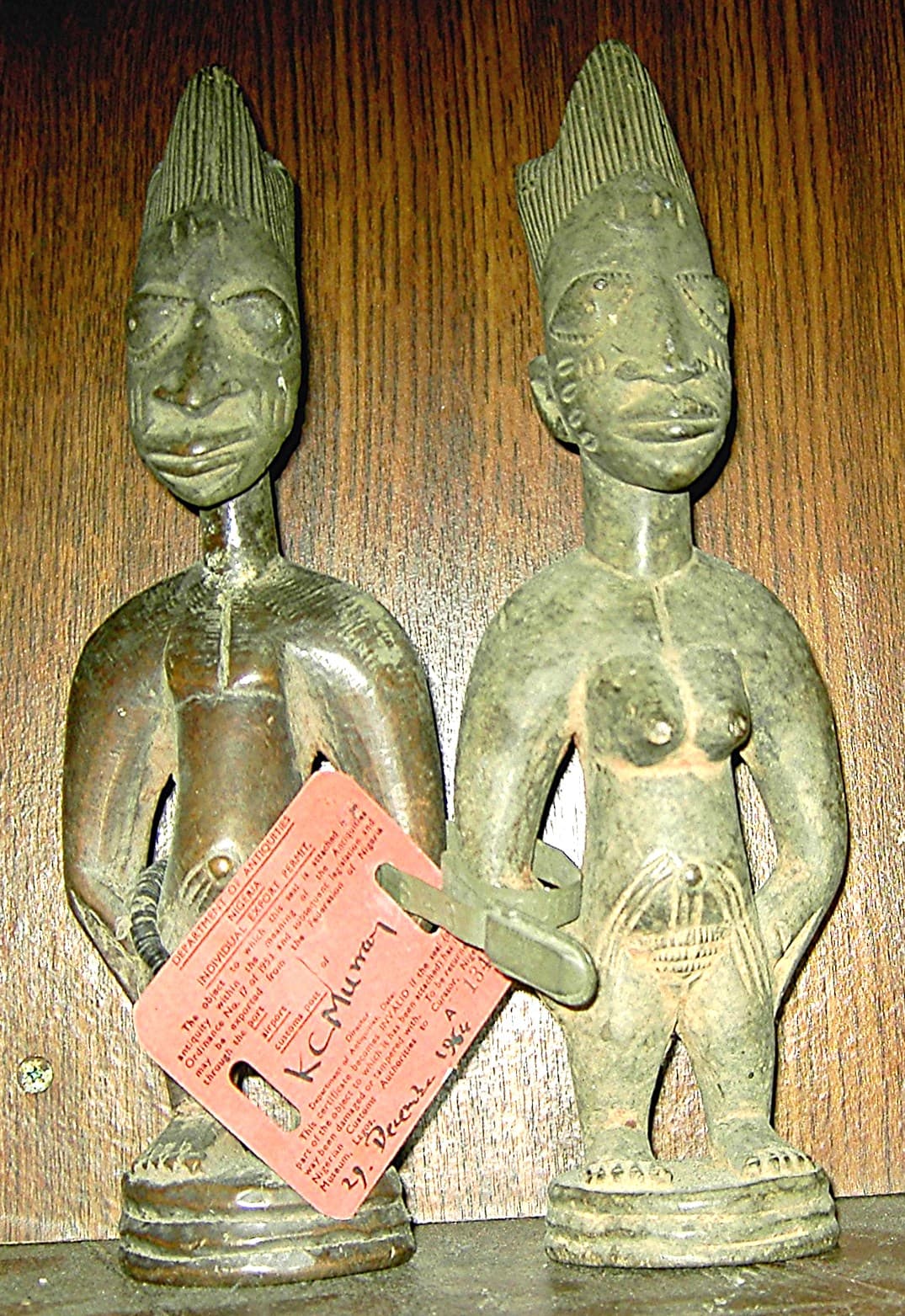
Sacred twin figure used to house the spirit of a deceased twin, ensuring the family's continued blessing.

Nigeria
Masterpiece of African metalwork from the Benin Kingdom — recording royal history in cast bronze with extraordinary skill.

