

230
Wealth
🐄
Ankole Cattle Horn
Uganda / Rwanda
The magnificent horn of the Ankole-Watusi cattle — a living symbol of wealth, prestige, and pastoral abundance.
4.5Learn more →


Sacred horn of Madagascar's zebu cattle — the centerpiece of Malagasy spiritual life and the ultimate symbol of ancestral wealth.
In Madagascar, zebu cattle (Bos indicus) are not merely animals — they are the axis around which Malagasy spiritual and social life rotates. For the Sakalava, Merina, Bara, and many other Malagasy ethnic groups, zebu represent wealth, prestige, and most importantly, the connection to ancestors (razana). A family's zebu herd is its ancestral inheritance — animals that have been sacrificed at the funerals of beloved family members, offered at the reburial ceremonies (famadihana), and dedicated to the spirits of the dead become spiritually charged animals connecting the living to their departed kin. The zebu horn, harvested from sacrificed animals and placed at tombs and sacred sites, becomes a physical antenna for this ancestral communication.
Zebu cattle sacrifice (joro) is the central ritual of Malagasy spiritual life, performed at every major ceremony: the construction of a new house, a wedding, a circumcision, and especially at famadihana — the extraordinary Malagasy practice of periodically exhuming and re-wrapping the bones of ancestors in fresh lamba (silk cloth). These ceremonies serve to maintain the relationship between the living and the dead, ensuring ancestral blessings continue to flow. The skulls and horns of sacrificed zebu are displayed outside Malagasy tombs as permanent markers of the ceremonies performed and the wealth dedicated to the ancestors.
Zebu horn objects — cups, medicine containers, decorative pieces — carry this accumulated sacred energy and are used in Malagasy households both functionally and spiritually. Even zebu horns displayed outside the ritual context retain an association with ancestral blessing, wealth, and the quintessentially Malagasy understanding that the dead and the living are in continuous, active relationship.
Ancestral blessing and connection to the dead, wealth measured in living animals and sacred sacrifice, the ongoing relationship between the living and their ancestors, and the prosperity that comes from honoring obligations to the departed.
Display zebu horn objects in a home space dedicated to ancestral honor. Use them in rituals that acknowledge and thank ancestors. In Malagasy practice, pour rum, honey, or water over the horn while speaking the names of ancestors to activate the connection. Even outside the tradition, intentional ancestor honoring through this object is powerful.
Madagascar's famadihana ceremony — the 'turning of the bones' — in which families dig up the remains of ancestors, wrap them in fresh silk cloth, dance with the bundles, and rebury them — strikes outsiders as extraordinary, but for Malagasy people it is a joyful celebration of family bonds that transcend death. The ceremony can cost an entire family's savings in zebu sacrifices, silk cloth, and food for hundreds of guests — a testament to the priority of ancestral relationship.
Zebu arrived in Madagascar with the island's earliest Austronesian and later African settlers and have been central to Malagasy culture for over a millennium. Their connection to the ancestors — animals sacrificed at important ceremonies accumulate spiritual significance — means that zebu are not simply property but living spiritual entities connecting generations.
The horns of zebu sacrificed during mortuary ceremonies are placed at the tomb as a permanent record of the ceremonies performed and the wealth dedicated to the deceased. They also serve as a kind of celestial telephone — points of connection where the living can leave messages and offerings for the dead.
When objects are purchased through legitimate craft and artisan channels and displayed with awareness of their meaning, most Malagasy consider this respectful appreciation of their culture. What would be considered disrespectful is treating these objects as trivial decorations without acknowledging their profound cultural significance.
Uganda / Rwanda
The magnificent horn of the Ankole-Watusi cattle — a living symbol of wealth, prestige, and pastoral abundance.
Madagascar
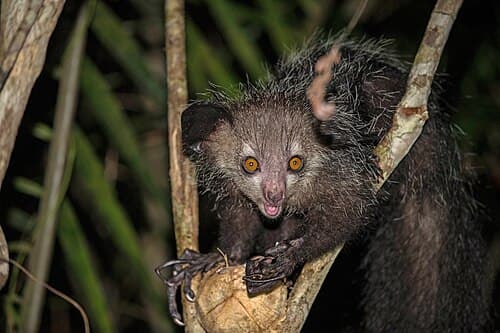
Paradoxical charm based on the feared and revered aye-aye — Madagascar's uncanny omen creature.

Sub-Saharan Africa
The 'Tree of Life' of Africa — ancient, life-sustaining, and filled with the memory of generations.

