

6
Protection
🕸️
Dreamcatcher
Ojibwe Nation, North America
A woven hoop hung above the bed to filter nightmares and allow only good dreams to pass through.
4.8Learn more →


A small sacred pouch containing personally meaningful objects that serve as a spiritual anchor, protection, and connection to one's power.
The medicine bag, also called a medicine bundle, is one of the most personal and powerful spiritual objects in Indigenous North American tradition. Unlike decorative charms meant to be displayed, the medicine bag is deeply private — its contents are typically kept secret and held close to the body, usually worn near the heart. The term 'medicine' in this context refers not to pharmaceutical healing but to spiritual power, personal medicine, and the unique energy that connects a person to their guides, ancestors, and the natural world.
Contents vary tremendously by tradition, tribal affiliation, and individual guidance received through ceremony, dreams, or vision quests. Common objects include small stones or crystals, pieces of sacred herbs like sage or cedar, bird feathers or bones, small animal offerings, beads of significance, and any object that has been received as a personal power object. Each item is placed in the bag with intention and prayer, and the bag itself is typically made of natural materials — leather, cotton, or wool — often in a color with personal significance.
Many Indigenous young people receive their first medicine bag from an elder or healer at a significant life transition — puberty, a healing, or a coming-of-age ceremony. The bag grows in power as the person lives their life, adding new objects at meaningful moments. Non-Indigenous people increasingly create personal power pouches inspired by this tradition, filling them with objects meaningful to their own spiritual path.
The Medicine Bag traces its origins to Pan-Indigenous North America, where it has been revered for generations as a powerful symbol of healing and vitality. Historical records and oral traditions suggest that early versions of this charm appeared centuries ago, when communities in Pan-Indigenous North America first began attributing supernatural qualities to objects drawn from their natural and spiritual environment.
Over time, the Medicine Bag evolved from a regional folk object into a widely recognized talisman. Traders, travelers, and migrants carried it across borders, introducing it to new cultures that often adopted and adapted it to fit their own belief systems. Today it is found in united states, canada and beyond, each culture adding its own layer of meaning and ritual to the charm's enduring legacy.
In its homeland of Pan-Indigenous North America, the Medicine Bag occupies a revered place in both daily life and ceremonial practice. It is not merely decorative — it is woven into the fabric of cultural identity, appearing in celebrations, rites of passage, and household traditions that have been passed down through generations.
Beyond Pan-Indigenous North America, the Medicine Bag has gained recognition in united states, canada and other regions, where it is valued for its symbolic connection to physical and mental wellbeing. Scholars of material culture and anthropologists note that charms like the Medicine Bag serve a dual psychological function: they provide a tangible focus for hope and intention, and they connect their owners to a living cultural tradition that transcends individual experience.
To get the most from your Medicine Bag, keep it in a place where you will see it daily — on a desk, nightstand, or near your front entrance. Physical proximity reinforces the intention behind the charm and serves as a regular reminder of your goals.
Traditional practice recommends handling the charm with clean hands and respectful intention. Many practitioners in Pan-Indigenous North America advise setting a clear purpose when you first acquire the charm: hold it, state your wish or goal silently or aloud, and then place it in its chosen position. Periodically cleansing the charm — by passing it through incense smoke, placing it under moonlight, or simply wiping it with a clean cloth — is believed to refresh its energy.
If the charm is meant to be worn (as jewelry or a carried token), keep it close to your body throughout the day. If it is a household object, place it in the area of your home most associated with its purpose — for example, near a workspace for success charms, or by the bed for love and health charms.
The medicine bag represents the totality of a person's spiritual identity, their connection to helping powers, and their personal medicine or life force. It is simultaneously protection, prayer, memory, and identity. Wearing one is an act of walking in the world with your full spiritual self present, not just your physical body.
If you are creating a personal power pouch inspired by this tradition, select a small natural-material pouch. Place inside only objects that carry genuine personal meaning — stones from important places, objects received from loved ones, symbols of your spiritual guides. Wear it near your heart when facing challenges, during ceremonies, or whenever you need the presence of your full spiritual self.
The Lakota concept of 'Wotawe' refers to the personal collection of sacred objects and spiritual allies that accompany a person through life. Some medicine men and women carry bundles that have been passed down through generations, containing objects that are hundreds of years old and have been present at countless ceremonies and healings.
Include only objects that have genuine personal meaning: a stone from a meaningful place, something received from a beloved elder or friend, a piece of a plant that has helped you heal, symbols of your ancestral heritage or spiritual path. Avoid filling it with random objects — the power comes from meaning, not quantity.
Many spiritual teachers, both Indigenous and non-Indigenous, support the practice of creating personal power pouches as a universal human spiritual technology. The key is approaching the practice with genuine respect, learning about Indigenous traditions without appropriating their specific sacred ceremonies, and giving credit to the cultures that developed this wisdom.
Keep your medicine bag away from water and harsh chemicals. Smudge it periodically with sage or cedar smoke to keep its energy clear. If you feel it has become depleted or heavy with absorbed energy, you can open it, lay the contents out under sunlight or moonlight to recharge, and then reassemble it with fresh prayers.
The Medicine Bag originates from Pan-Indigenous North America, where it has been used as a health charm for centuries. Its influence has since spread to united states, canada and many other regions worldwide.
If you are creating a personal power pouch inspired by this tradition, select a small natural-material pouch. Place inside only objects that carry genuine personal meaning — stones from important places, objects received from loved ones, symbols of your spiritual guides. Wear it near your heart when facing challenges, during ceremonies, or whenever you need the presence of your full spiritual self. For best results, set a clear intention when you first acquire the charm and keep it in a prominent, respectful location.
Yes, giving a Medicine Bag as a gift is considered a generous and meaningful gesture in most traditions. In Pan-Indigenous North America, gifted charms are often believed to carry even stronger energy than those purchased for oneself, because they come with the goodwill and intention of the giver.
Many practitioners recommend periodically cleansing your Medicine Bag to refresh its energy. Common methods include passing it through incense smoke, placing it in moonlight overnight, rinsing it under clean water (if the material allows), or simply wiping it down with a clean cloth while setting a fresh intention.
While the Medicine Bag originated in the cultural traditions of Pan-Indigenous North America, it is not exclusive to any single religion. It has been adopted and adapted by people of many faiths and backgrounds, each bringing their own interpretation to its symbolism and use.
Ojibwe Nation, North America
A woven hoop hung above the bed to filter nightmares and allow only good dreams to pass through.

Pan-Indigenous North America
A sacred symbol across countless Indigenous cultures representing freedom, spiritual connection, and messages from the divine.
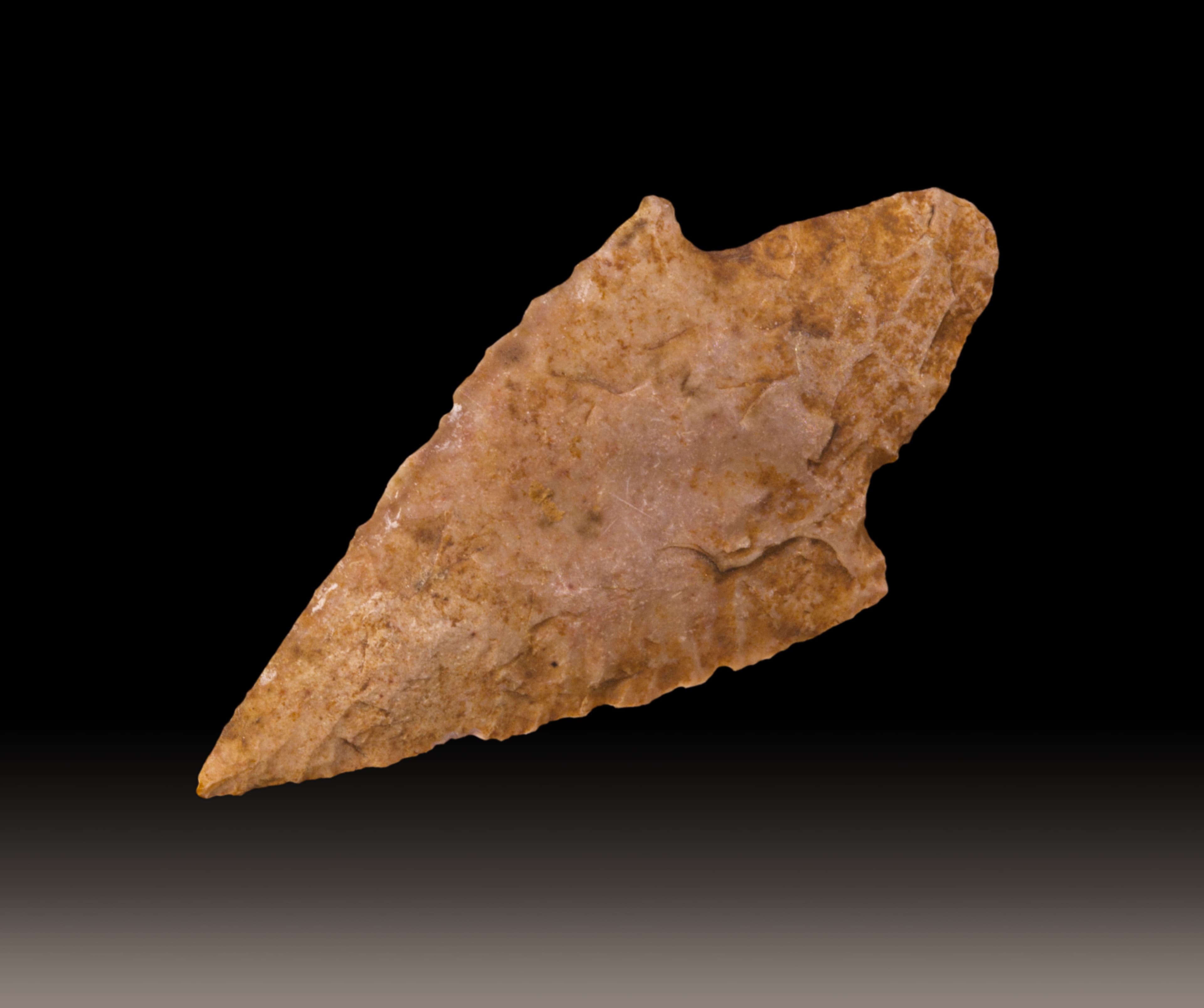
Pan-Indigenous North America
Ancient stone points worn as amulets to deflect evil spirits and negative energy, honoring the skills of ancestral hunters.

