

2
General
🍀
Four-Leaf Clover
Ireland
The rarest clover mutation, treasured as nature's own lucky charm.
4.9Learn more →

Americas - North
45 charms from this country
The United States is the world's great melting pot of lucky-charm traditions, drawing from every culture that has contributed to its diverse population. The rabbit's foot is perhaps the most quintessentially American lucky charm — carried in pockets and on keychains, it blends European and West African hoodoo influences. The penny (particularly Lincoln pennies found face-up), the horseshoe, the wishbone, and the four-leaf clover are all deeply embedded in American folk practice.
The dreamcatcher, originating with the Ojibwe people, has become perhaps the most widespread Native American symbol adopted into broader American culture as a protective charm. The mojo hand — a small flannel bag filled with roots, herbs, and curios — is the central charm of African American hoodoo tradition, itself drawing from West African gris-gris. Lucky dice (particularly in Las Vegas culture) and the number seven are quintessential American luck symbols. St. Christopher medals hang from rearview mirrors across the country.
Ireland
The rarest clover mutation, treasured as nature's own lucky charm.
United Kingdom
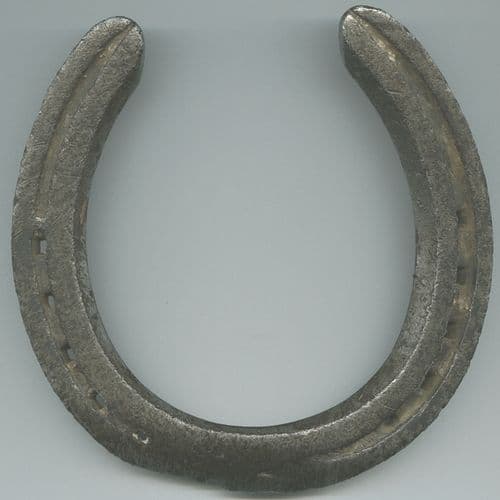
An iron crescent hung above doorways to catch and hold good luck.

Japan
The beckoning cat is Japan's most iconic good-luck charm, believed to wave fortune, customers, and prosperity into any space it occupies.

Ojibwe Nation, North America
A woven hoop hung above the bed to filter nightmares and allow only good dreams to pass through.

United States (adapted from Mediterranean/Middle Eastern tradition)
The iconic blue glass eye bead bracelet popularized in American fashion and metaphysical culture for protection against envy and negative energy.

China
Lucky Bamboo is a feng shui staple believed to bring good fortune, prosperity, and positive energy when placed in the home or office.

United Kingdom
The spotted red beetle that brings good fortune to whoever it lands upon.
United Kingdom
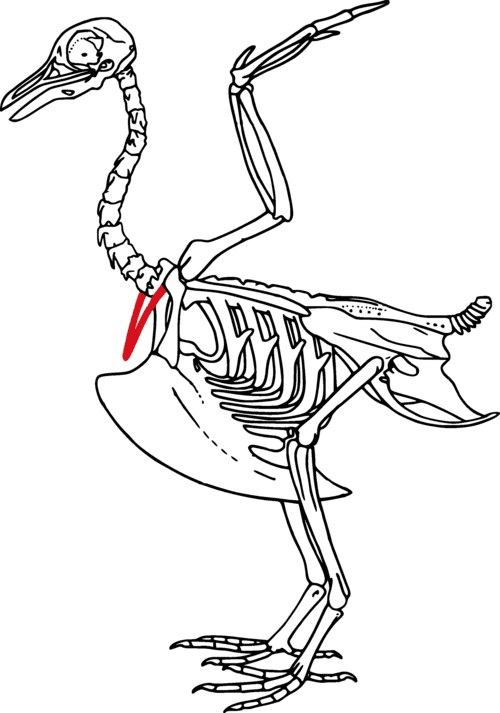
The forked bird bone over which two people compete for their heart's desire.

United Kingdom
The humble copper coin that promises a turn of fortune when found heads-up.

Brazil
The stone of unconditional love, carried as the most universal charm for opening the heart to romantic love, self-love, and compassionate healing.

United Kingdom
The pair of spotted cubes that embody chance itself, transformed into a personal lucky talisman.

France
The patron saint of travellers whose medal has accompanied millions on journeys.

Iran
The ancient sky-stone of the world's oldest cultures, worn as a charm of protection, communication, and the sacred turquoise bridge between earth and heaven.

Pan-Indigenous North America
A sacred symbol across countless Indigenous cultures representing freedom, spiritual connection, and messages from the divine.
United States (adapted from European tradition)
An iron horseshoe hung above doors to collect and hold good luck, one of North America's most enduring folk charms.
United States (adapted from Celtic/Irish tradition)
A rare clover mutation found in lawns and meadows, considered the ultimate symbol of natural good luck in American folk tradition.
United Kingdom
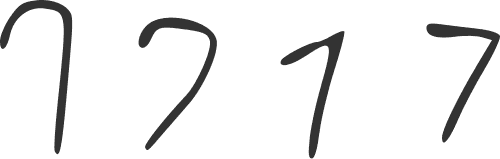
The most universally lucky number in Western culture, encoded in the cosmos itself.

Mexico (Catholic folk tradition)
Small metal votive charms placed on saint statues or shrines to request miracles or give thanks for prayers answered.
Mexico
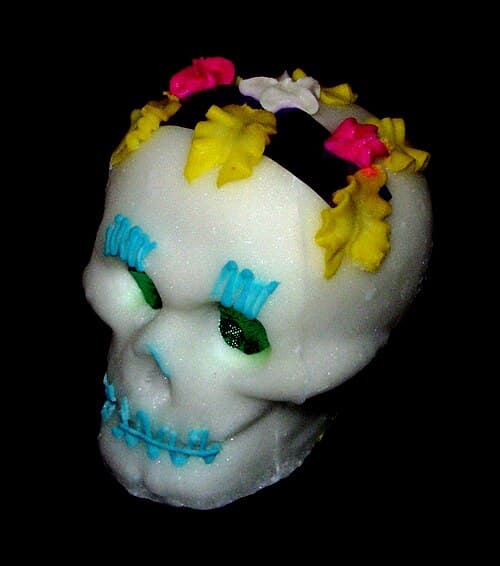
A decorated sugar skull that honors the dead during Día de los Muertos, celebrating the joyful reunion between the living and their beloved ancestors.

Mexico
The most venerated Catholic image in the Americas — the dark-skinned Virgin who appeared to Juan Diego in 1531, patroness of Mexico and all the Americas.

Pan-Indigenous North America
A small sacred pouch containing personally meaningful objects that serve as a spiritual anchor, protection, and connection to one's power.
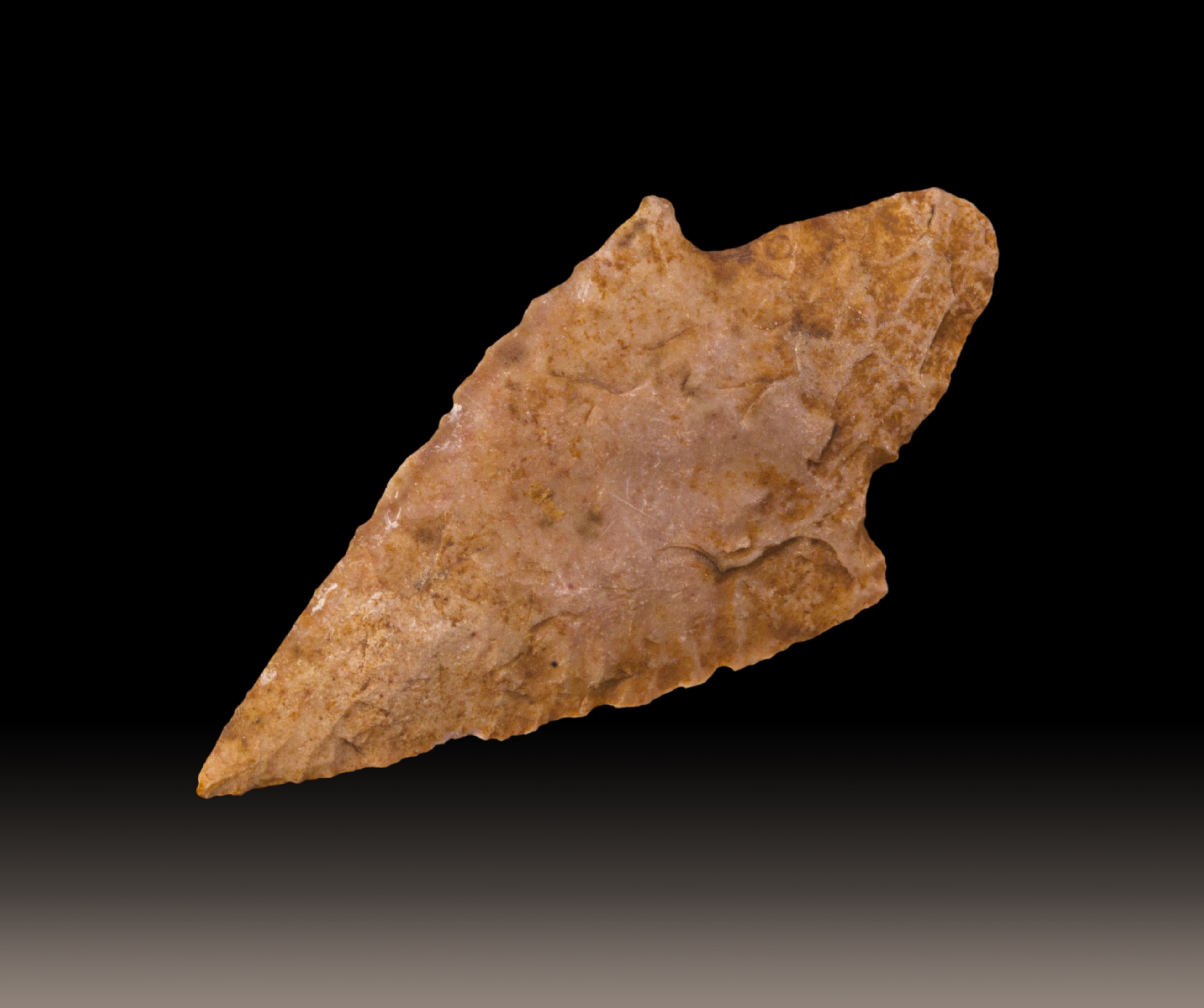
Pan-Indigenous North America
Ancient stone points worn as amulets to deflect evil spirits and negative energy, honoring the skills of ancestral hunters.
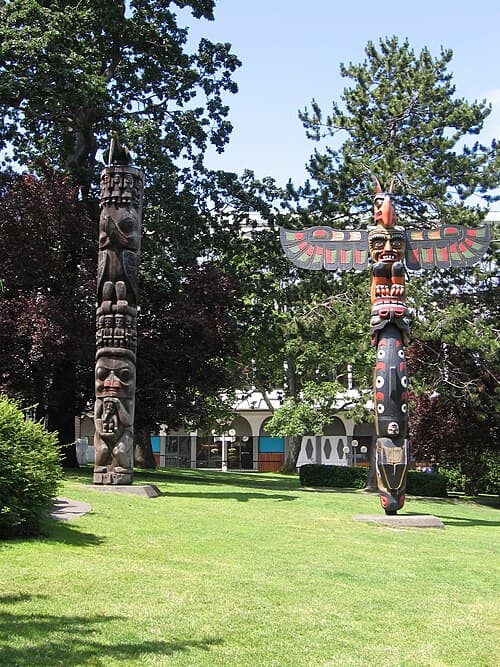
Pacific Northwest Coast, North America
A miniature representation of the carved cedar poles that record family histories, clan crests, and ancestral stories of Pacific Northwest peoples.

Pacific Northwest and Plains Indigenous peoples
A supernatural bird of immense power found across Indigenous traditions from the Pacific Northwest to the Great Plains, representing the awesome force of storms and sky.

Arctic Canada and Alaska
A human-shaped stone cairn built across the Arctic as navigation markers, spiritual landmarks, and symbols of human presence in vast wilderness.
United States (adapted from Chinese feng shui tradition)
A popular houseplant charm sold widely in American stores as a feng shui luck and prosperity attractor for homes and offices.

African American South
The African American folk magic charm bag — a personal power object containing curios, herbs, and concentrated intention.

Haida Nation, Pacific Northwest Coast
The trickster creator figure of Haida mythology whose cunning brought light, salmon, and all of civilization to the world.
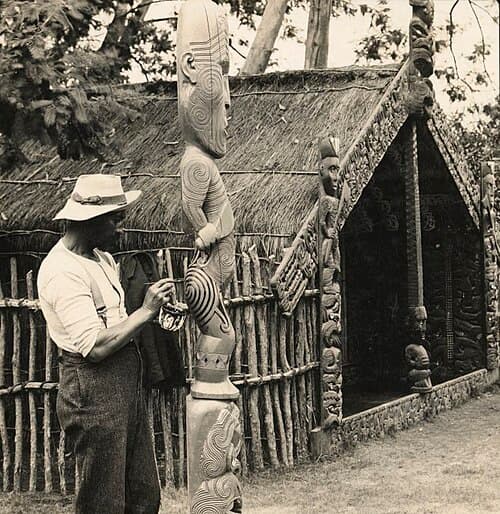
United States
The powerful carved deity figures of Hawaii, carried as charms of divine protection, good fortune, and the blessings of the Hawaiian gods.

United States
The polished nut lei of Hawaiʻi's sacred state tree, worn as a charm of enlightenment, protection, and the warmth of Hawaiian hospitality.

United States
The fragrant lei flower of Hawaii, worn as a charm of love, beauty, positivity, and the generous spirit of aloha.

Mexico
A charm honoring the prickly pear cactus that sits at the heart of the Mexican national symbol — resilience, nourishment, and flourishing in harsh conditions.

Mexico
The flower of the dead — cempasúchil — whose brilliant orange blooms guide departed souls home during Día de los Muertos.

Huichol people, Mexico
A cross-shaped weaving of yarn on two sticks, representing the protective eye of the divine watching over and guarding the home.
Mexico and Philippines (via Spanish colonial tradition)
A figure of the Christ Child dressed in royal garments, venerated as a worker of miracles especially for children and the sick.

United Kingdom
The tiny seed of the mighty oak, carried for slow-growing but lasting luck.

United States (folk herbal tradition)
A small sachet filled with herbs chosen to influence dream states — lavender, mugwort, chamomile — placed under the pillow for guided sleep.

United States
Nature's original magnet, carried as the most ancient and powerful charm for drawing to you whatever you most deeply desire.

Mexico
The volcanic glass of truth and protection, carried as a powerful charm for revealing hidden truths, cutting karmic ties, and shielding against negative energy.

Brazil
The Master Healer crystal, carried as a universal charm for amplification, clarity, and the programmable power to support any intention.

Morocco
The luminous crystal of the moon goddess, carried as a charm for energetic cleansing, divine light, and the pristine clarity of a mind aligned with higher truth.

Egypt
The only gem born of lava and space, carried as a charm for releasing old patterns, attracting abundance, and the fresh green vitality of complete renewal.

United Kingdom
The ancient black gemstone of grief and protection, worn as a charm for absorbing sorrow, warding negativity, and honouring those who have passed.
United States
A decorated box used in American folk practice to hold written wishes and lucky objects — a manifestation tool combining the wish box tradition with intention-setting ritual.
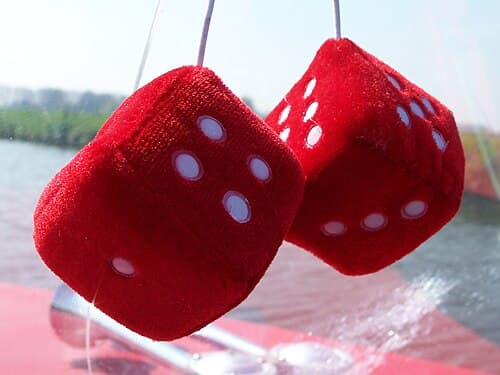
United States
Oversized plush dice hung from rearview mirrors — an American icon of daring, luck, and the gamble of the open road.

